Choosing the right solar roofing solution is a significant decision for any homeowner or property manager. With the increasing demand for renewable energy and the evolution of solar technologies, there are now several options available, each with its own set of benefits and considerations. This solar roofing comparison guide is designed to help you understand the key differences between the leading solar roofing products, so you can make an informed investment for your home’s energy future.
Whether you’re interested in traditional solar panels, innovative solar shingles, or integrated solar tiles, understanding the pros, cons, costs, and installation requirements is essential. Before diving into the details, it’s also helpful to consider related topics, such as the roof upgrade cost for high-performance shingles, which can influence your overall project budget and expectations.
Understanding Solar Roofing Options
Solar roofing systems have evolved far beyond the bulky panels of the past. Today, buyers can choose from several main categories:
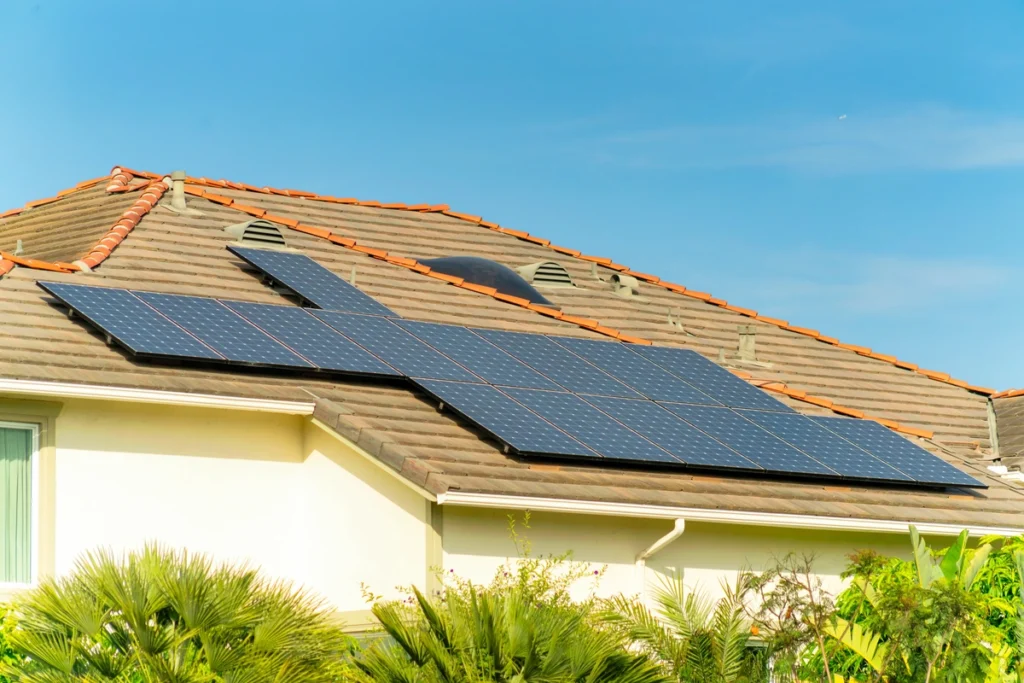
- Traditional Solar Panels – Mounted on top of existing roofing materials, these are the most common and often the most cost-effective solution.
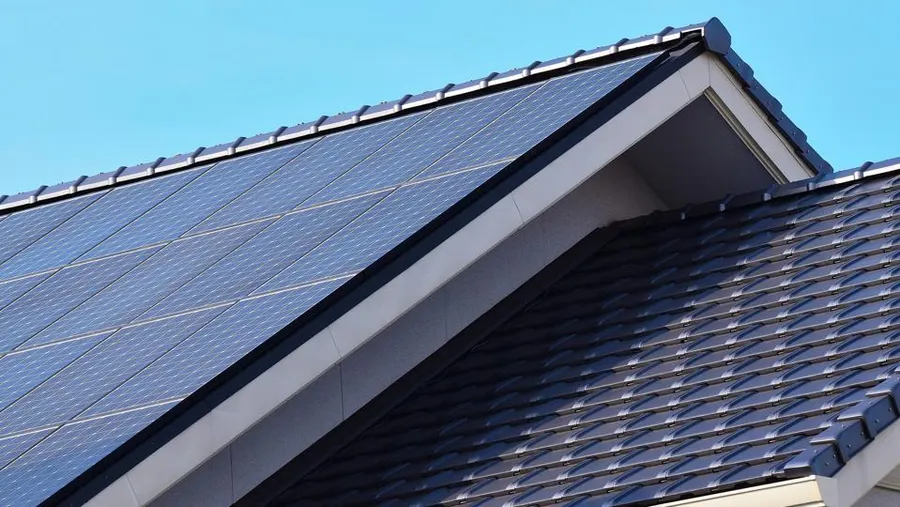
- Solar Shingles – Also known as photovoltaic shingles, these are designed to blend seamlessly with standard roofing materials while generating electricity.
- Solar Tiles – Similar to shingles but typically larger, these tiles replace conventional roofing and provide a sleek, integrated appearance.
Each option has its own advantages and is suited to different types of homes, budgets, and aesthetic preferences. Let’s explore how these choices compare in terms of performance, cost, and installation.
Comparing Performance and Efficiency
When evaluating solar roofing, energy efficiency and output are crucial. Traditional solar panels generally offer the highest efficiency, with many models converting over 20% of sunlight into electricity. Solar shingles and tiles, while more visually appealing, often have slightly lower efficiency rates due to their design and integration with roofing materials.
However, the gap is closing as technology advances. Some premium solar shingles now approach the efficiency of standard panels, making them a viable option for homeowners who prioritize aesthetics without sacrificing too much performance.
Installation Considerations for Solar Roofs
Installation complexity varies significantly between the different solar roofing products. Traditional solar panels are typically installed by mounting racks onto your existing roof, which is a well-established process. Solar shingles and tiles, on the other hand, require a full or partial roof replacement, as they become the primary roofing material.
This means that if your current roof is nearing the end of its lifespan, it may be more cost-effective to opt for solar shingles or tiles, combining your roof replacement and solar installation into a single project. For more on planning a new installation, see our asphalt roof replacement guide.
It’s also important to work with experienced installers who are familiar with the specific product you choose. Improper installation can lead to leaks, reduced efficiency, or voided warranties.
Cost Comparison: Panels vs. Shingles vs. Tiles
Cost is a major factor in any solar roofing comparison guide. Here’s a general breakdown of typical price ranges (installed, before incentives):
| Type | Average Cost per Watt | Estimated Lifespan | Visual Appeal |
|---|---|---|---|
| Traditional Solar Panels | $2.50 – $3.50 | 25–30 years | Moderate |
| Solar Shingles | $3.80 – $7.00 | 20–25 years | High |
| Solar Tiles | $4.50 – $8.00 | 20–30 years | Very High |
Keep in mind that these costs can vary based on your location, roof complexity, and the specific manufacturer. Incentives, such as federal tax credits and local rebates, can significantly reduce your out-of-pocket expenses.
Durability and Maintenance
Solar roofs are designed to withstand harsh weather, but durability can differ between products. Traditional panels are mounted above your existing roof, providing some additional protection. Solar shingles and tiles, being part of the roof itself, must meet both electrical and weatherproofing standards.
Maintenance is generally low for all types, but it’s important to keep the surface clean for optimal performance. Using a dedicated cleaning tool, like a roof cleaning brush, can help maintain efficiency over time. For more tips on maximizing the lifespan of your roof, review our advice on roofing mistakes to avoid.
Design and Curb Appeal
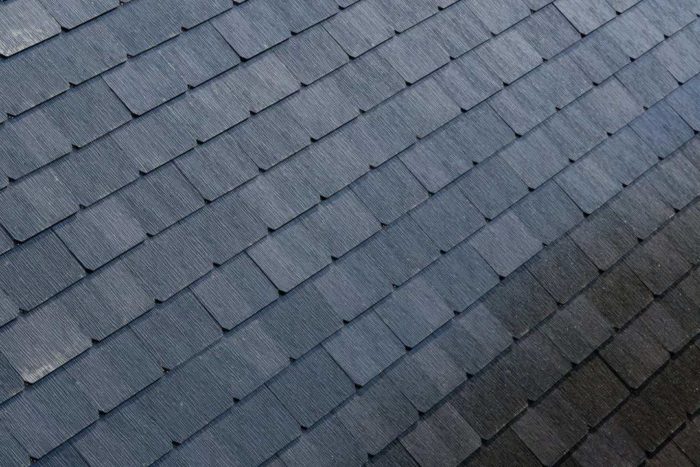
For many homeowners, appearance matters just as much as performance. Solar shingles and tiles are engineered to blend in with traditional roofing, making them an attractive choice for those who want a low-profile look. Some products, like textured glass tiles, can even mimic the appearance of slate or clay tiles.
Traditional panels, while more visible, are available in sleeker, all-black models that minimize visual impact. The right choice depends on your priorities and your home’s architectural style.
Choosing the Right Solar Roofing Solution
When deciding among solar panels, shingles, and tiles, consider the following:
- Roof Age and Condition: If your roof is old or needs replacement, integrated solar products may be more cost-effective.
- Budget: Standard panels are usually the most affordable, but incentives can help offset the higher cost of shingles or tiles.
- Homeowners Association (HOA) Rules: Some HOAs have restrictions on visible solar panels, making low-profile options more appealing.
- Energy Needs: Calculate your household’s average energy use to determine the size and type of system required.
For a deeper dive into the latest technology and product options, you can explore resources like this comprehensive overview of solar shingles from an industry leader.
Potential Pitfalls and How to Avoid Them
While solar roofing is a smart investment for many, there are a few common mistakes to watch out for:
- Choosing a system that’s too small or too large for your needs
- Overlooking roof orientation and shading, which can impact performance
- Failing to check installer credentials and product warranties
- Ignoring local permitting requirements or HOA guidelines
Being aware of these issues can help you avoid costly errors and ensure a smooth installation process. If you’re replacing an old roof, our guide on replacing old asphalt roofs offers practical tips for a full tear-off and new installation.
Frequently Asked Questions
Are solar shingles as efficient as traditional solar panels?
Solar shingles are improving in efficiency, but most still lag slightly behind standard panels. However, the difference is narrowing, and for many homeowners, the improved aesthetics are worth the trade-off.
How long does a solar roofing system last?
Most solar panels, shingles, and tiles are rated for 20–30 years of service. Warranties typically cover at least 20 years for power output and 10–15 years for product defects or weather damage.
Can I install solar roofing on any type of home?
Most homes are suitable, but factors like roof age, pitch, orientation, and shading can affect both installation and performance. A professional assessment is recommended to determine the best fit for your property.
What maintenance is required for solar roofing?
Maintenance is minimal—usually just periodic cleaning to remove debris and dirt. It’s important to use appropriate tools to avoid damaging the surface, especially for integrated shingles and tiles.
Conclusion
Investing in solar roofing is a forward-thinking move that can lower your energy bills, increase your home’s value, and reduce your environmental impact. By using this solar roofing comparison guide to weigh the pros and cons of each option, you’ll be better equipped to choose the system that matches your needs, budget, and design preferences. Take time to research installers, review warranties, and consider the long-term benefits before making your decision. With the right approach, your new solar roof can provide decades of clean, reliable energy for your home.