As solar technology advances, homeowners are increasingly interested in integrating solar power directly into their roofs. Two of the most popular options for a seamless, low-profile solar roof are solar tiles and solar shingles. While both offer the promise of clean energy and a sleek appearance, there are important distinctions between these products that can affect your decision, installation process, and long-term value.
This guide breaks down the main differences between these two solar roofing solutions, including their construction, performance, installation requirements, costs, and aesthetics. If you’re considering a roof upgrade or planning a new build, understanding these options will help you make an informed choice. For a deeper dive into the financial aspects of modern roofing, you may also want to review the roof upgrade cost for high-performance shingles.
Understanding Solar Roofing: Tiles and Shingles Explained
Both solar tiles and solar shingles are designed to replace traditional roofing materials while generating electricity from sunlight. They differ from conventional solar panels, which are mounted on top of an existing roof. Instead, these products serve as both the roofing material and the energy generator, blending into the roofline for a more integrated look.
- Solar tiles are typically individual, rigid units that mimic the look of clay, slate, or concrete tiles. They are often used on homes with tile roofs or where a high-end, architectural appearance is desired.
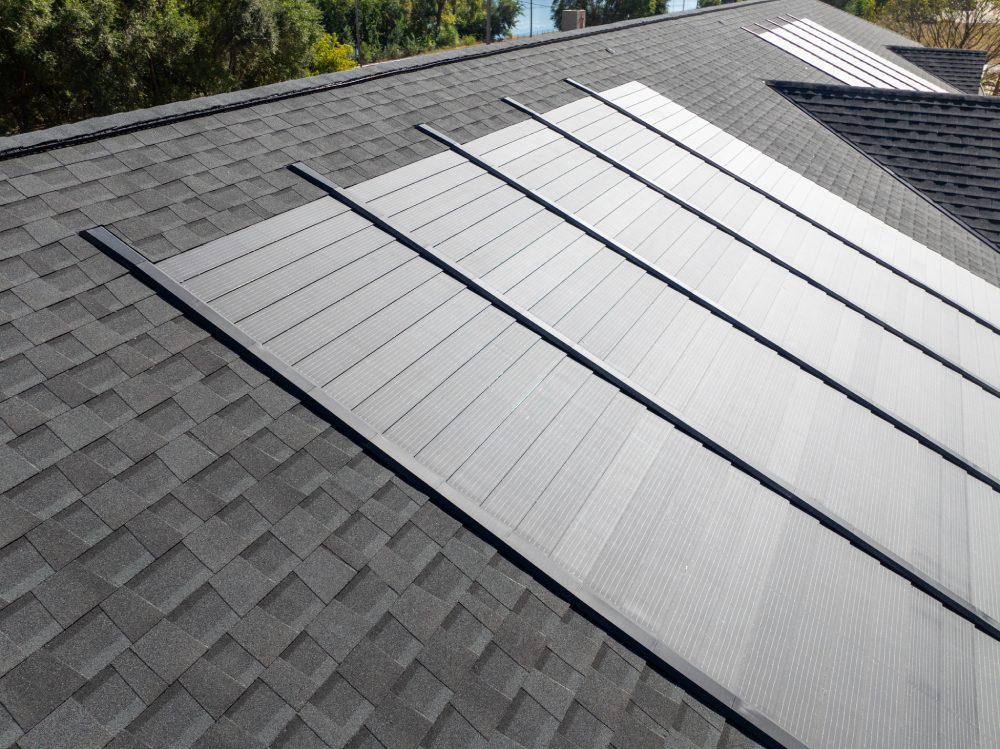
- Solar shingles resemble asphalt shingles and are designed to interlock with standard roofing materials. They are thinner and more flexible than tiles, making them suitable for a wider range of roof types.
Key Differences Between Solar Tiles and Solar Shingles
When comparing solar tiles vs solar shingles, several factors come into play. Here’s a closer look at the most important distinctions:
1. Design and Aesthetics
Solar tiles are often chosen for their ability to replicate the look of premium roofing materials. They can be installed alongside non-solar tiles, creating a uniform appearance across the roof. This makes them popular for custom homes or properties in neighborhoods with strict aesthetic guidelines.
Solar shingles, on the other hand, are engineered to blend with asphalt shingles. Their low profile and overlapping design make them nearly indistinguishable from standard roofing from street level. For homeowners seeking a subtle, modern look, shingles are often the preferred choice.

2. Installation Process
Solar tiles are generally heavier and more rigid than shingles. Their installation often requires removing the existing roof and replacing it entirely with new tiles, both solar and non-solar. This can be a more complex and time-consuming process, best suited for new construction or full roof replacements.
Solar shingles are lighter and can sometimes be installed over existing asphalt shingles, depending on roof condition and manufacturer guidelines. This can reduce labor costs and installation time. However, for optimal performance and warranty coverage, many installers recommend a full tear-off before adding solar shingles. For more on this process, see the replacing old asphalt roof guide.
3. Performance and Efficiency
Both solar tiles and shingles use photovoltaic (PV) cells to convert sunlight into electricity, but their efficiency can vary. Tiles, being larger and thicker, may have slightly higher efficiency per unit, but the difference is often marginal. The orientation, roof pitch, and local climate will have a greater impact on overall energy production than the product type itself.
Some brands offer advanced features, such as integrated microinverters or smart monitoring, which can improve system output and reliability. It’s important to compare the technical specifications and warranty terms of each product before making a decision.
4. Durability and Maintenance
Solar tiles are built to withstand harsh weather and can last 25 years or more. Their rigid construction makes them highly resistant to wind and impact. However, if a tile is damaged, replacement can be more involved and may require professional service.
Solar shingles are also durable, with lifespans similar to high-quality asphalt shingles. They are designed to flex slightly, which can help them resist cracking from temperature changes. Maintenance is generally straightforward, but keeping the surface clean is important for optimal performance. Using a specialized cleaning tool, such as a roof cleaning brush, can help maintain efficiency without damaging the surface.
5. Cost Considerations
The price of both solar tiles and shingles has decreased in recent years, but they remain more expensive than traditional solar panels. Tiles are typically the pricier option due to their materials, weight, and installation complexity. Shingles are more affordable, especially when installed as part of a standard asphalt roof replacement.
It’s important to factor in potential savings from energy production, local incentives, and the increased value of a solar-integrated roof. For a detailed breakdown of costs and what to expect, the roof upgrade cost resource provides valuable insights.
Comparing Lifespan and Warranty
Most manufacturers offer warranties of 20-25 years for both solar tiles and shingles, covering power output and product durability. Some brands may offer longer coverage for weather resistance or workmanship. Be sure to review warranty terms carefully and choose a reputable installer to ensure your investment is protected.
It’s also wise to monitor your roof for signs of wear or failure over time. For tips on what to watch for, see the asphalt roof failure signs guide.
Which Solar Roofing Option Is Right for You?
The best choice depends on your roof type, aesthetic preferences, budget, and energy goals. Here are some factors to consider:
- Roof Material: If you have or want a tile roof, solar tiles may provide the best match. For asphalt roofs, solar shingles are usually the easiest fit.
- Budget: Shingles are generally more affordable, while tiles offer a premium look at a higher price point.
- Installation Timing: Both options are ideal for new construction or full roof replacements. Retrofitting may be possible, but costs can rise.
- Local Incentives: Check for rebates, tax credits, or utility programs that may help offset the cost of solar roofing.
For a deeper look at the benefits of integrated solar roofing, explore this overview of solar roof tile advantages from an industry expert.
Frequently Asked Questions
Are solar tiles or shingles more efficient?
Efficiency depends on the specific product and installation. While tiles may offer slightly higher efficiency per unit, the overall system output is influenced more by roof orientation, shading, and climate than by the choice between tiles and shingles.
Can I install solar shingles or tiles on an existing roof?
Solar shingles can sometimes be installed over existing asphalt shingles if the roof is in good condition, but a full tear-off is often recommended. Solar tiles usually require a complete roof replacement due to their weight and installation method.
How long do solar roofing systems last?
Both solar tiles and shingles are designed to last 20-25 years or more, with many manufacturers offering warranties to match. Regular maintenance and prompt repairs can help maximize their lifespan.
Conclusion
Choosing between solar tiles and solar shingles comes down to your home’s architecture, your budget, and your energy needs. Both options provide a modern, integrated approach to solar power, with unique benefits and considerations. By weighing the differences in design, installation, performance, and cost, you can select the solar roofing solution that best fits your goals. For those planning a roof project, reviewing resources like the asphalt roof replacement guide and learning about roofing mistakes to avoid can further ensure a successful outcome.