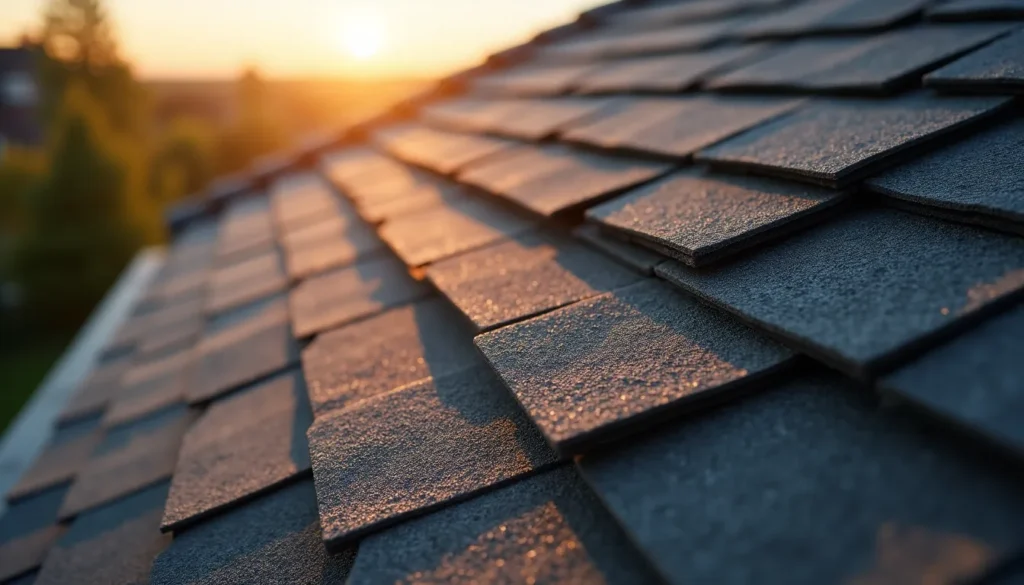
Replacing or upgrading your roof is a significant investment, and the choice of shingles can impact your home’s durability, curb appeal, and long-term maintenance costs. This roofing shingles guide is designed to help homeowners understand the different types of shingles available, their advantages, and how to select the right option for your specific needs. Whether you are planning a new installation or considering a replacement, having the right information will ensure your roofing project delivers lasting value and protection.
Before diving into the details, it’s important to recognize that the quality and type of shingles you choose can affect not only your home’s appearance but also its energy efficiency and resistance to weather damage. Making an informed decision now can help you avoid common pitfalls and unnecessary expenses down the road. For a deeper look at budgeting and value, you can explore the roof upgrade cost to understand how premium shingles can be a smart investment.
Understanding the Main Types of Roofing Shingles
There are several types of shingles commonly used in residential roofing, each with its own set of characteristics. Knowing the differences can help you match your priorities—whether that’s cost, longevity, or style—with the right material.
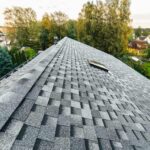
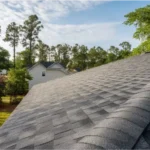
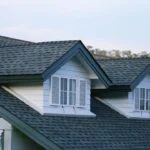
- Asphalt Shingles: The most popular choice for North American homes, asphalt shingles are affordable, easy to install, and available in a wide range of colors and styles. They come in two main varieties: three-tab and architectural (dimensional) shingles.
- Wood Shingles and Shakes: Made from cedar, redwood, or pine, wood shingles offer a natural look and good insulation properties. Shakes are thicker and more rustic, while shingles are more uniform in appearance.
- Metal Shingles: Metal roofing can mimic the look of traditional shingles but offers superior durability, fire resistance, and energy efficiency. They are lightweight and can last 40–70 years.
- Slate Shingles: Slate is a premium roofing material known for its beauty and longevity. While expensive and heavy, slate roofs can last over a century with proper care.
- Composite and Synthetic Shingles: These are made from engineered polymers or recycled materials, designed to replicate the appearance of wood, slate, or tile while offering enhanced durability and lower maintenance.

Key Factors to Consider When Selecting Shingles
Choosing the right shingles involves more than picking a color or style. Here are the main factors to weigh:
- Climate and Weather Resistance: Your local climate should influence your choice. For example, asphalt and metal shingles perform well in most regions, but slate or synthetic options may be better for areas with extreme weather.
- Longevity and Warranty: Consider the expected lifespan of the material and the manufacturer’s warranty. Architectural asphalt shingles typically last 25–30 years, while metal and slate can last much longer.
- Cost and Value: Budget is always a concern. While asphalt is the most affordable, investing in higher-end materials can provide better long-term value. To plan your budget, review the asphalt roof replacement guide for insights on installation and material costs.
- Maintenance Requirements: Some shingles, like wood, require more upkeep than others. Consider your willingness and ability to maintain your roof over time.
- Home Style and Curb Appeal: The appearance of your roof can dramatically affect your home’s value and visual appeal. Choose a shingle that complements your home’s architecture.
Comparing Asphalt, Metal, and Other Popular Shingle Materials
Asphalt shingles remain the most widely used roofing material due to their balance of cost, durability, and ease of installation. However, other materials may be better suited to certain homes or climates. Here’s a quick comparison:
| Shingle Type | Average Lifespan | Cost Range (per sq ft) | Maintenance | Best For |
|---|---|---|---|---|
| Asphalt (Architectural) | 25–30 years | $1.20–$4.00 | Low | Most climates, budget-friendly |
| Metal | 40–70 years | $5.00–$12.00 | Very low | Extreme weather, longevity |
| Wood | 20–40 years | $4.00–$7.00 | Moderate | Historic homes, natural look |
| Slate | 75–100+ years | $10.00–$20.00 | Low | Luxury homes, long-term value |
| Composite/Synthetic | 30–50 years | $4.00–$8.00 | Low | Variety of styles, durability |
For a more detailed breakdown of asphalt options and their benefits, check out this comprehensive overview of asphalt shingle types and advantages.
Installation Tips and Common Mistakes to Avoid
Proper installation is just as important as choosing the right shingle. Even the best materials can fail prematurely if not installed correctly. Here are some best practices and pitfalls to watch for:
- Always follow manufacturer guidelines for nailing patterns and underlayment.
- Ensure your roof deck is in good condition before installing new shingles.
- Pay attention to flashing around chimneys, vents, and valleys to prevent leaks.
- Don’t neglect attic ventilation, as poor airflow can shorten shingle life.
- Work with a reputable contractor and avoid shortcuts that could void your warranty.
To help you steer clear of the most frequent errors, review these roofing mistakes to avoid before starting your project.
Signs It’s Time to Replace Your Roof Shingles
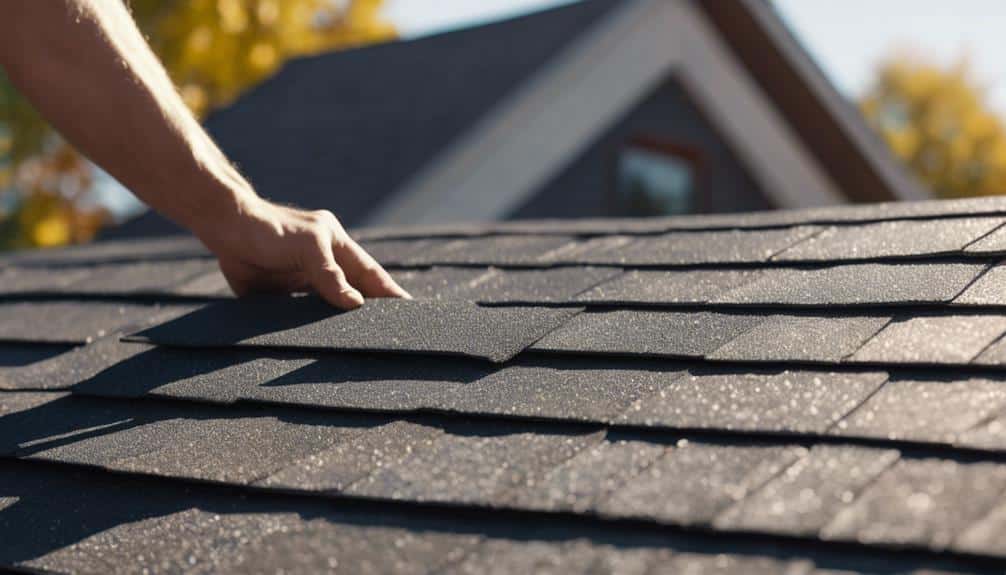
Even the best shingles will eventually need replacement. Watch for these warning signs:
- Curling, cracked, or missing shingles
- Granules collecting in gutters
- Visible leaks or water stains inside your home
- Dark streaks or moss growth on the roof surface
- Roof age exceeding the expected lifespan for your shingle type
If you notice any of these issues, it may be time to consult a professional. For a detailed checklist, see the asphalt roof failure signs resource for when to call a roofer immediately.
Frequently Asked Questions
What is the best type of shingle for most homes?
Architectural asphalt shingles are the most popular due to their balance of affordability, durability, and style options. However, the best choice depends on your climate, budget, and desired appearance. Metal and synthetic shingles are also excellent for longevity and weather resistance.
How long do roofing shingles typically last?
The lifespan varies by material. Three-tab asphalt shingles last around 15–20 years, while architectural asphalt can last 25–30 years. Metal roofs can last 40–70 years, and slate can exceed 100 years with proper care.
Can I install new shingles over old ones?
While it’s possible to layer new shingles over existing ones in some cases, a full tear-off is usually recommended for best results. This ensures the roof deck is inspected and repaired if needed. For more on this process, see the replacing old asphalt roof guide.
How do I maintain my roof to extend its life?
Regularly clean gutters, remove debris, inspect for damage after storms, and address minor repairs promptly. Using a quality sealant can also help prevent leaks and extend the lifespan of your shingles.
Choosing the right shingles is a crucial step in protecting your home and maximizing your investment. By understanding the options and considering your unique needs, you can select a roofing solution that offers both beauty and long-term performance.