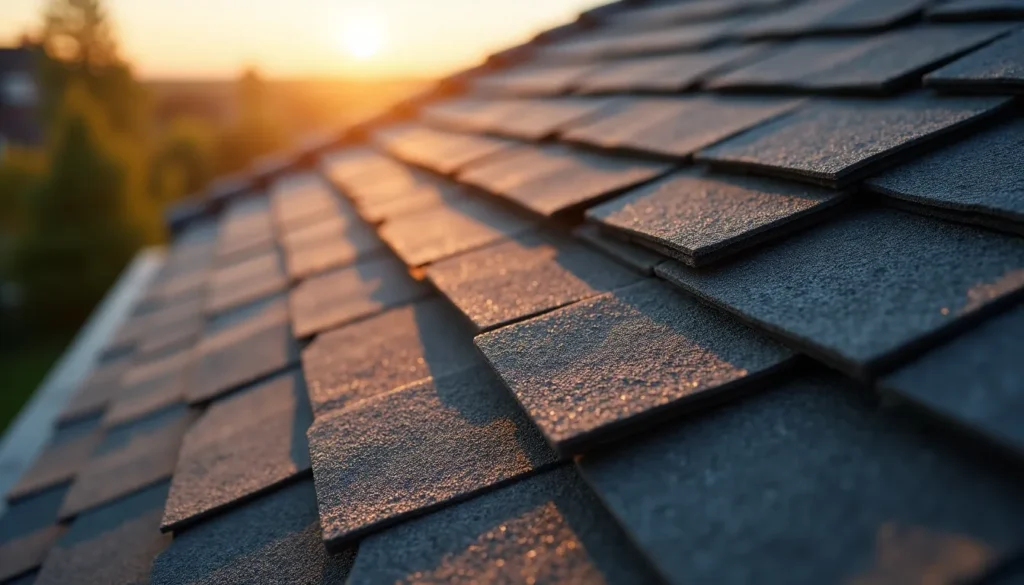
Choosing the right roofing material is a significant decision for any homeowner. With so many options available, understanding how asphalt shingles measure up against alternatives like metal, tile, and wood is essential. This asphalt roof comparison guide breaks down the strengths and weaknesses of each material, focusing on cost, durability, maintenance, and curb appeal. Whether you’re planning a new installation or considering a replacement, knowing the facts will help you make an informed choice for your home.
For those looking to dig deeper into the process of replacing shingles, the asphalt roof replacement guide provides step-by-step advice on planning your next installation. Now, let’s explore how asphalt shingles stack up against other popular roofing materials.
Understanding Asphalt Shingles: Key Features and Benefits
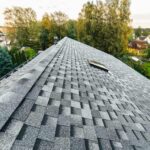
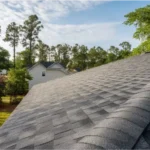
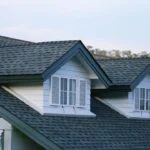
Asphalt shingles are the most common roofing material in North America. Their popularity is driven by a combination of affordability, ease of installation, and a wide range of styles. Here are some of the main features that make asphalt shingles a top choice:
- Cost-effective: Asphalt shingles are generally less expensive than most alternatives, making them accessible for budget-conscious homeowners.
- Versatility: Available in various colors and textures, they can complement many architectural styles.
- Ease of installation: Most roofing contractors are experienced with asphalt shingles, resulting in faster and less expensive labor.
- Repairability: Damaged shingles can often be replaced individually, saving on repair costs.
Despite these advantages, asphalt shingles have a lifespan of about 15 to 30 years, which is shorter than some other materials. They are also more susceptible to damage from extreme weather conditions compared to metal or tile roofs.
Comparing Asphalt Shingles to Metal Roofing
When conducting an asphalt roof comparison with metal roofing, several important differences emerge:
| Feature | Asphalt Shingles | Metal Roofing |
|---|---|---|
| Cost | Lower initial investment | Higher upfront cost |
| Durability | 15–30 years | 40–70 years |
| Maintenance | Occasional shingle replacement | Minimal, mostly inspection |
| Weather Resistance | Vulnerable to hail and wind | Excellent, resists wind and fire |
| Energy Efficiency | Moderate | Reflects heat, lowers cooling costs |
Metal roofs are known for their longevity and resistance to severe weather. However, they come with a higher price tag and can be noisier during rain or hail. Asphalt shingles, while less durable, remain a practical choice for those prioritizing upfront savings and a traditional look.

How Asphalt Compares to Tile and Wood Roofing
Tile and wood shakes are popular in certain regions and architectural styles. Here’s how they compare to asphalt shingles:
- Tile Roofing: Clay or concrete tiles are extremely durable, lasting 50 years or more. They are fire-resistant and offer a distinctive look, but their weight requires reinforced roof structures and installation costs are high.
- Wood Shakes: Wood offers natural beauty and good insulation. However, it requires regular maintenance to prevent rot, mold, and insect damage. Lifespan ranges from 20 to 40 years, depending on climate and upkeep.
- Asphalt Shingles: Easier to install and maintain, with a lower price point. They don’t last as long as tile but are less demanding than wood in terms of care.
For homeowners who want a balance of affordability and performance, asphalt remains a practical option. However, those seeking longevity or a specific aesthetic may prefer tile or wood, despite the higher investment and maintenance requirements.
Durability and Lifespan: What to Expect from Asphalt Shingles
One of the most important factors in any asphalt roof comparison is how long the material will last. Asphalt shingles typically offer a service life of 15 to 30 years, depending on product quality, installation, and local climate. Premium architectural shingles can sometimes exceed this range, especially when installed by experienced professionals and maintained properly.
Signs of aging such as curling, cracking, or missing granules indicate it may be time for a replacement. For a detailed look at when to replace your roof, see the replacing old asphalt roof guide. Regular inspections and prompt repairs can help extend the life of your shingles, but eventually, all asphalt roofs will need to be replaced.
Maintenance Requirements: Asphalt vs. Other Roofing Materials
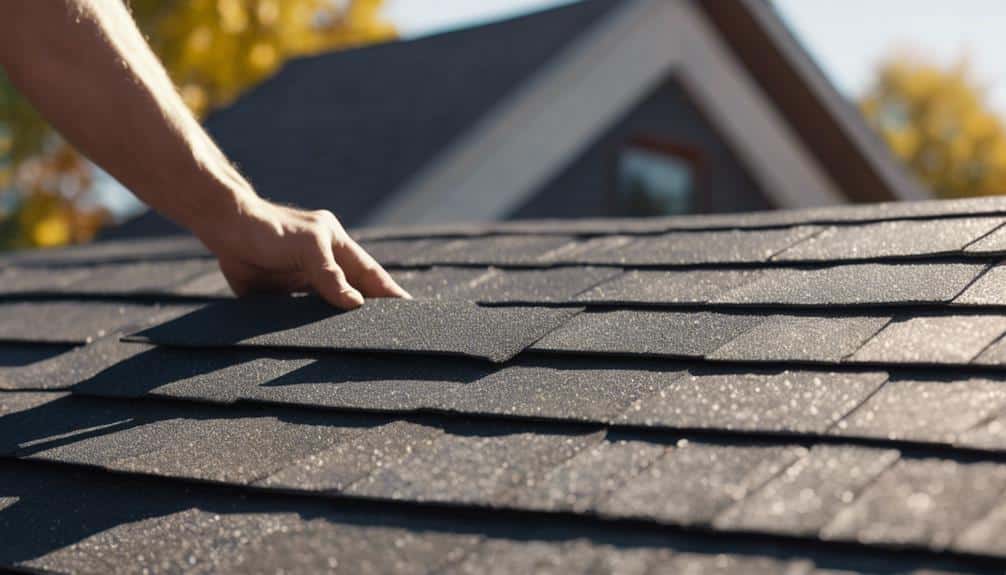
Maintenance is a crucial consideration in any roofing decision. Asphalt shingles require periodic inspections, especially after storms, to check for loose or missing shingles. Moss and algae growth can be an issue in humid climates, but regular cleaning and the use of algae-resistant shingles can help.
In contrast, metal roofs need very little upkeep, while tile roofs may require occasional replacement of cracked tiles. Wood shakes demand the most attention, needing treatments and repairs to prevent moisture and pest damage. For tips on avoiding common errors during installation or repair, consult the roofing mistakes to avoid resource.
Cost Analysis: Upfront and Long-Term Value
Asphalt shingles are often chosen for their low initial cost. Installation is straightforward, and materials are widely available. However, it’s important to consider the total cost of ownership, including maintenance and eventual replacement.
- Asphalt: Lowest upfront cost, moderate maintenance, shorter lifespan.
- Metal: Higher initial cost, minimal maintenance, long lifespan.
- Tile: High upfront and installation costs, low maintenance, very long lifespan.
- Wood: Moderate to high cost, high maintenance, moderate lifespan.
For many homeowners, asphalt offers the best value for the money, especially if you plan to move within 10–20 years. If you’re investing in a long-term home, it may be worth considering premium materials despite the higher cost.
Energy Efficiency and Environmental Impact
Energy efficiency is becoming a bigger priority for homeowners. Asphalt shingles provide moderate insulation but can absorb heat, increasing cooling costs in hot climates. Some newer products feature reflective granules to help reduce heat absorption.
Metal roofs reflect sunlight and can lower cooling bills, while tile and wood offer natural insulation. If sustainability is a concern, look for asphalt shingles with recycled content or consider recycling old shingles during replacement. For more on the advantages of asphalt and other roofing types, see this comprehensive guide to asphalt shingle roofing types and benefits.
Choosing the Right Roofing Material for Your Home
There’s no single “best” roofing material—each option has its own set of advantages and drawbacks. Asphalt shingles remain a top pick for their affordability, ease of installation, and wide availability. Metal, tile, and wood each offer unique benefits, but often at a higher cost or with greater maintenance demands.
Consider your budget, climate, desired lifespan, and the architectural style of your home. If you’re unsure, consult with a local roofing professional who can provide recommendations tailored to your needs. And remember, regular maintenance and timely repairs are key to maximizing the life of any roof.
Frequently Asked Questions
How long do asphalt shingles typically last compared to metal or tile roofs?
Standard asphalt shingles usually last 15 to 30 years, depending on quality and climate. Metal roofs can last 40 to 70 years, while tile roofs may exceed 50 years with proper care. Premium asphalt products can sometimes extend lifespan, but generally, metal and tile outlast asphalt.
Are asphalt shingles a good choice for areas with severe weather?
Asphalt shingles perform well in most climates but can be vulnerable to high winds and hail. Impact-resistant shingles are available for storm-prone regions. Metal and tile roofs generally offer superior resistance to extreme weather conditions.
What is the best way to maintain an asphalt shingle roof?
Regular inspections, especially after storms, are important. Remove debris, clean gutters, and address moss or algae promptly. Replace damaged shingles as needed and consider professional inspections every few years to catch issues early.