As solar technology becomes more integrated into residential and commercial properties, the need for effective solar roofing waterproofing has never been greater. Ensuring that your solar roof is protected from water intrusion is essential for both the longevity of your investment and the structural integrity of your building. Water leaks can lead to costly repairs, electrical hazards, and reduced energy efficiency. This article explores best practices, materials, and maintenance strategies to help you safeguard your solar roof from leaks and moisture damage.
Whether you are considering a new installation or looking to enhance the durability of your existing system, understanding the principles of waterproofing for solar roofs is crucial. For those interested in broader industry developments, you can explore solar roofing market trends to gain insights into the latest advancements and consumer preferences.
Why Waterproofing Is Critical for Solar Roofs
Solar panels and integrated solar shingles are exposed to the elements year-round. While these systems are designed to withstand rain, snow, and wind, the points where they attach to your roof can become vulnerable to water penetration. Proper solar roofing waterproofing ensures that mounting hardware, flashing, and electrical conduits do not become entry points for moisture.
Without adequate protection, water can seep through gaps or poorly sealed areas, leading to:
- Rotting of wooden roof structures
- Mold and mildew growth
- Corrosion of metal components
- Short circuits and electrical hazards
- Decreased energy efficiency due to damaged insulation
Key Components of a Leak-Resistant Solar Roof
A robust waterproofing system for solar roofs involves several layers and components working together. Here are the most important elements:
- Underlayment: High-quality waterproof membranes are installed beneath shingles or tiles to provide a secondary barrier against water.
- Flashing: Metal or synthetic flashing is used around penetrations, such as mounting brackets and wiring, to direct water away from vulnerable areas.
- Sealants: UV-resistant, flexible sealants are applied around fasteners and joints to prevent leaks.
- Proper Mounting Systems: Specialized mounting hardware is designed to minimize roof penetrations and maintain the integrity of the waterproof barrier.
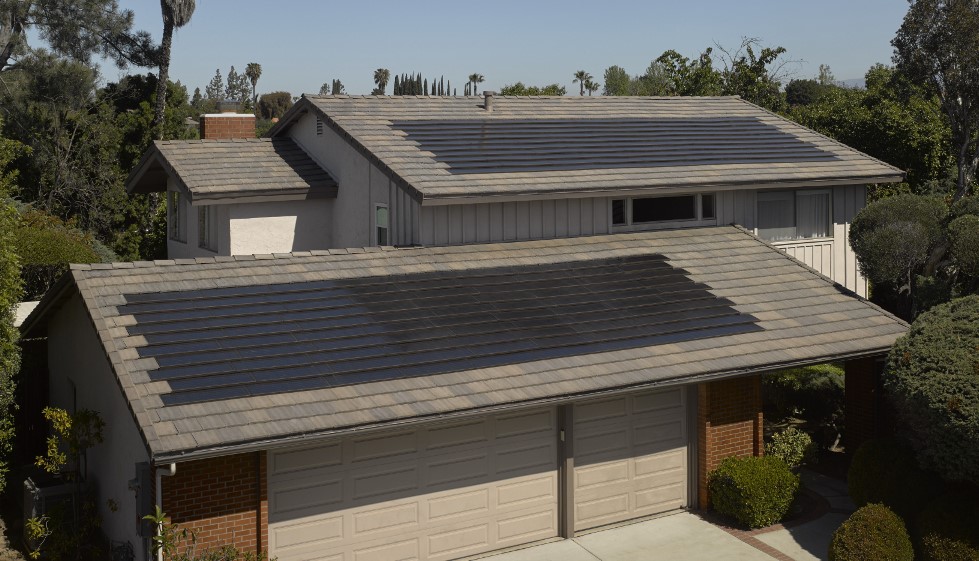
- Integrated Solar Shingles: Some modern systems combine solar cells with roofing materials, reducing the number of seams and potential leak points.
Best Practices for Solar Roofing Waterproofing
To maximize the effectiveness of your waterproofing efforts, consider the following best practices:
- Work with Certified Installers: Choose professionals with experience in both roofing and solar installations. Proper training ensures that all penetrations are sealed and flashed according to industry standards.
- Use Premium Materials: Invest in high-quality membranes, flashing, and sealants. These materials are engineered to withstand harsh weather and UV exposure.
- Minimize Roof Penetrations: Opt for mounting systems that require fewer holes in the roof. Some modern racking solutions use rails that distribute weight and reduce the number of fasteners.
- Regular Inspections: Schedule annual roof inspections, especially after severe weather. Early detection of potential issues can prevent leaks from developing into major problems.
- Prompt Repairs: Address any signs of water intrusion immediately. Delaying repairs can lead to more extensive damage and higher costs.
For a deeper dive into the latest advancements, see our article on latest solar roofing technology, which covers new materials and installation techniques that further enhance waterproofing.
Common Causes of Leaks in Solar Roofs
Even with the best materials and installation practices, leaks can still occur. Understanding the most common causes can help you prevent them:
- Poor Installation: Incorrect placement of flashing or insufficient sealing around mounts can create pathways for water.
- Weather Damage: High winds, hail, or heavy snow can dislodge panels or damage roof coverings, exposing vulnerable areas.
- Aging Materials: Over time, sealants and membranes can degrade, losing their waterproofing properties.
- Debris Accumulation: Leaves, branches, and dirt can block drainage paths, causing water to pool and eventually seep through the roof.
- Improper Maintenance: Neglecting regular inspections and cleaning can allow minor issues to escalate into leaks.
Maintenance Tips for Long-Term Leak Protection
Ongoing maintenance is vital for keeping your solar roof watertight. Here are some practical tips:
- Clean Gutters and Downspouts: Ensure that water can flow freely off your roof by removing debris from gutters and downspouts.
- Trim Overhanging Branches: Prevent leaves and twigs from accumulating on your roof by keeping nearby trees trimmed.
- Inspect After Storms: Check for loose panels, damaged flashing, or missing shingles following severe weather events.
- Monitor Attic and Ceilings: Look for signs of water stains or mold inside your home, which can indicate a hidden leak.
- Schedule Professional Checkups: Have a qualified roofer or solar technician inspect your system annually to catch potential issues early.
For more on site-specific considerations, refer to our solar roofing site assessment guide for tips on evaluating your property before installation.
Choosing the Right Materials for Solar Roof Waterproofing
The effectiveness of your waterproofing system depends heavily on the materials used. Here are some recommended options:
- Self-Adhering Membranes: These provide a seamless, watertight layer beneath roofing materials and are especially effective in areas prone to ice dams or heavy rain.
- Metal Flashing: Durable and corrosion-resistant, metal flashing is ideal for sealing around mounts and roof penetrations.
- Elastomeric Sealants: Flexible and UV-stable, these sealants maintain their integrity despite temperature fluctuations and sun exposure.
- Integrated Solar Tiles: By combining the functions of roofing and solar generation, these products reduce the number of seams and potential leak points.
For those interested in energy-efficient roofing options, the U.S. Department of Energy’s cool roofs resource offers additional information on materials that can help manage heat and moisture.
Innovations and Future Trends in Solar Roof Protection
The field of solar roofing is rapidly evolving, with new technologies aimed at improving both performance and durability. Recent innovations include advanced waterproof membranes, smart monitoring systems that detect leaks early, and solar tiles that offer seamless integration with traditional roofing. For a closer look at these developments, see our article on innovations in solar roofing.
As the industry grows, expect to see more products designed specifically for the unique challenges of combining solar generation with weatherproof roofing. Staying informed about these trends will help you make the best choices for your property.
Frequently Asked Questions
How often should a solar roof be inspected for leaks?
It is recommended to have your solar roof professionally inspected at least once a year. Additional inspections should be performed after major storms or if you notice signs of water intrusion, such as stains on ceilings or walls.
Can existing roofs be retrofitted with solar panels without increasing leak risk?
Yes, with proper installation techniques and quality waterproofing materials, existing roofs can be safely retrofitted. It is crucial to use experienced installers who understand how to seal penetrations and integrate flashing with your current roofing system.
What are the signs that my solar roof may have a waterproofing issue?
Common signs include water stains on ceilings, mold or mildew growth, damp insulation, or visible gaps around mounting hardware. If you notice any of these, schedule a professional inspection as soon as possible.
Are there solar roofing materials that are naturally more resistant to leaks?
Integrated solar shingles and tiles are designed to reduce the number of seams and penetrations, making them less prone to leaks compared to traditional panel systems. High-quality membranes and advanced flashing systems also enhance leak resistance.
By following best practices and staying informed about new materials and technologies, you can ensure that your solar roof remains watertight and efficient for years to come.