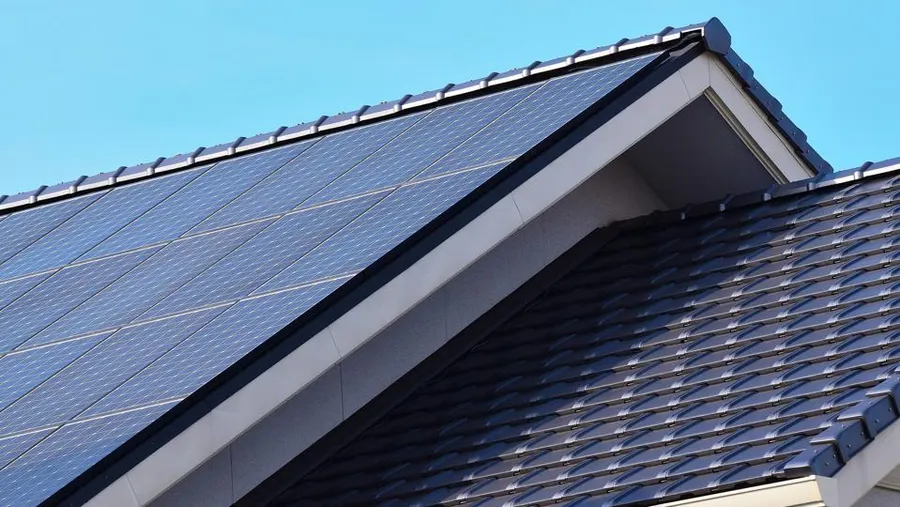
As interest in renewable energy continues to grow, more homeowners and businesses are considering types of solar roofing systems to harness the power of the sun. These solutions not only help reduce electricity bills but also contribute to a more sustainable future. However, with several options available, understanding the differences between each solar roofing approach is essential for making an informed decision.
This article breaks down the main categories of solar roofing, highlighting their features, advantages, and considerations. Whether you’re planning a new installation or upgrading your current roof, knowing the distinctions between these systems will help you choose the best fit for your needs and property.
For those interested in the latest developments, you can explore solar roofing market trends to see how adoption is evolving and what innovations are shaping the industry.
Traditional Solar Panel Roof Installations
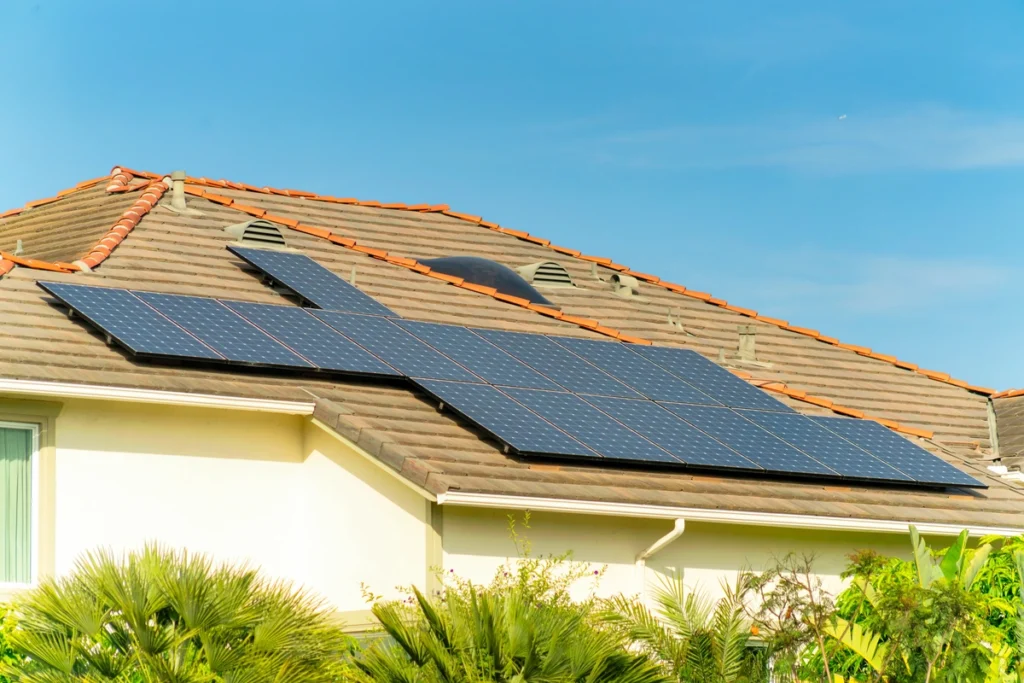
The most recognizable of all solar roofing system types is the traditional photovoltaic (PV) panel setup. These systems involve mounting rigid panels directly onto an existing roof structure using specialized racks or brackets. The panels are typically made of silicon cells that convert sunlight into electricity.
- Advantages: Proven technology, high efficiency, and wide availability. Installation is often straightforward, especially on roofs with good sun exposure and minimal shading.
- Considerations: Panels are visible and may impact the appearance of the roof. The installation requires roof penetrations, which must be properly sealed to avoid leaks.
- Best for: Homeowners seeking reliable performance and maximum energy output, especially where aesthetics are less of a concern.
Solar Shingles and Integrated Roofing Options
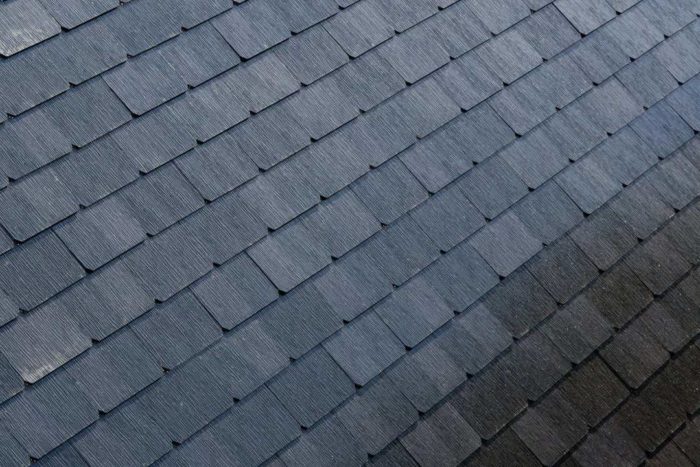
For those who want a more seamless look, solar shingles (also known as building-integrated photovoltaics or BIPV) are an innovative alternative. These systems replace conventional roofing materials with solar cells embedded directly into shingles, tiles, or slates. The result is a roof that generates electricity while maintaining a traditional appearance.
- Advantages: Blends in with standard roofing, preserving curb appeal. Often installed during new roof construction or major renovations.
- Considerations: Generally more expensive than standard panels. Efficiency may be slightly lower due to design constraints, and not all roofing contractors are experienced with these products.
- Best for: Homeowners prioritizing aesthetics, especially in neighborhoods with strict design guidelines or historic homes.
To learn more about how these integrated solutions work, visit this comprehensive guide to solar shingles.
Low-Profile and Flexible Solar Roofing Solutions
Another emerging category in the world of solar roofing system types is flexible or thin-film solar technology. These systems use lightweight, bendable materials that can be applied to a variety of surfaces, including metal roofs, curved structures, and even some flat roofs.
- Advantages: Minimal weight and a low profile make these ideal for roofs that cannot support heavy panels. Installation is often faster and less invasive.
- Considerations: Lower efficiency compared to crystalline silicon panels. Lifespan and durability may vary depending on the manufacturer and installation quality.
- Best for: Commercial buildings, industrial facilities, or unique architectural projects where standard panels are impractical.
Flexible solar options are gaining popularity as technology improves. For a deeper dive into new developments, check out the latest solar roofing technology and see how these solutions are being adopted in different sectors.
Comparing the Main Categories of Solar Roofs
Choosing between the various types of solar roofing systems depends on several factors, including your budget, roof structure, aesthetic preferences, and energy goals. Here’s a quick comparison to help clarify the differences:
| System Type | Appearance | Efficiency | Installation | Typical Cost |
|---|---|---|---|---|
| Traditional Solar Panels | Visible, raised panels | High | Mounted on existing roof | $$ |
| Solar Shingles/BIPV | Integrated, seamless | Moderate to high | Replaces roof material | $$$ |
| Flexible/Thin-Film | Low profile, adaptable | Moderate | Adhered or rolled on | $$ |
Key Considerations Before Choosing a Solar Roof
Before selecting a solar roofing solution, it’s important to evaluate the following:
- Roof Condition: Ensure your roof is in good shape. Solar installations last 20–30 years, so pairing with a new or recently repaired roof is ideal.
- Orientation and Shading: South-facing roofs with minimal shade offer the best results. Trees, chimneys, or nearby buildings can reduce output.
- Local Regulations: Some areas have restrictions on visible solar panels or require specific permits. Always check with your local authority or homeowners association.
- Budget and Incentives: Costs vary widely. Look for tax credits, rebates, and financing options to offset the initial investment.
- Installer Experience: Choose a reputable installer with experience in the specific system type you’re considering.
Conducting a thorough solar roofing site assessment can help determine which solution will perform best on your property.
Emerging Trends and Innovations in Solar Roofing
The landscape of solar roofing is evolving rapidly. Manufacturers are developing new materials and designs to improve efficiency, durability, and aesthetics. Some innovations include transparent solar tiles, integrated battery storage, and smart monitoring systems.
For those interested in what’s next, our overview of innovations in solar roofing explores the latest breakthroughs and what they mean for homeowners and businesses.
As technology advances, expect to see even more choices and better performance from all solar roofing system types.
Frequently Asked Questions
How long do solar roofing systems typically last?
Most solar panels and integrated roofing products are designed to last 25–30 years or more. The actual lifespan depends on the quality of the materials, installation, and maintenance. Inverters and other electronics may need replacement sooner, but the core system is built for decades of use.
Are solar shingles as efficient as traditional panels?
Solar shingles have improved significantly, but they generally offer slightly lower efficiency compared to standard panels. However, their integrated design makes them a great option for those who value appearance and are willing to trade a small amount of output for aesthetics.
Can I install solar roofing on an older roof?
It’s possible, but not always recommended. Since solar systems are long-lasting, it’s best to install them on a roof that won’t need replacement soon. If your roof is nearing the end of its life, consider replacing it before adding solar to avoid extra costs later.
What maintenance do solar roofs require?
Solar roofing systems are generally low-maintenance. Occasional cleaning to remove debris and periodic inspections to check for damage or loose connections are usually sufficient. Some systems include monitoring tools to alert you to performance issues.
Are there incentives for installing solar roofing?
Many regions offer tax credits, rebates, and other incentives to encourage solar adoption. These can significantly reduce the upfront cost. Check with local authorities or a qualified installer for details specific to your area.
As the demand for renewable energy grows, understanding the range of solar roofing system types available will help you make a confident, future-ready choice for your property.