Proper roof insulation seasonal care is essential for maintaining a comfortable, energy-efficient home throughout the year. As temperatures shift between seasons, insulation can be affected by moisture, pests, and general wear. Regular attention not only extends the lifespan of your insulation but also helps prevent costly repairs and keeps utility bills in check. This article will guide you through the most effective strategies for inspecting, maintaining, and upgrading your attic and roof insulation as the seasons change.
Homeowners interested in sustainable solutions may also want to explore solar roofing market trends for additional energy savings and environmental benefits.

Why Seasonal Attention to Roof Insulation Matters
Insulation acts as a barrier, keeping heat inside during winter and blocking it out during summer. Over time, factors like humidity, temperature fluctuations, and animal activity can degrade its effectiveness. By prioritizing seasonal roof insulation care, you ensure your home remains energy-efficient and comfortable year-round.
- Energy savings: Well-maintained insulation reduces heating and cooling costs.
- Comfort: Consistent indoor temperatures are easier to maintain.
- Longevity: Regular checks help spot issues before they become major problems.
- Health: Prevents mold growth and improves indoor air quality.
Spring and Summer: Preparing for Heat and Humidity
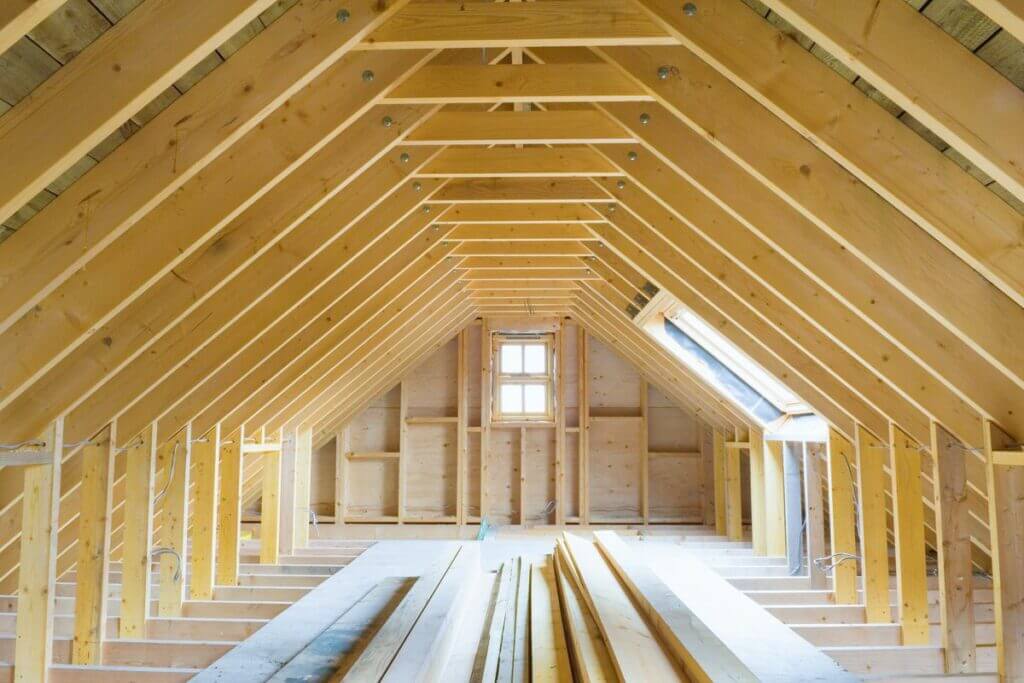
As temperatures rise, insulation can be challenged by increased humidity and potential pest activity. Spring is the ideal time to inspect your attic and roof spaces for any signs of damage or moisture accumulation.
Key Steps for Warm-Weather Maintenance
- Inspect for Moisture: Look for damp spots, water stains, or mold. Address any roof leaks immediately.
- Check Ventilation: Ensure attic vents are clear to allow heat and moisture to escape, preventing condensation buildup.
- Pest Prevention: Seal gaps and check for nests or droppings, as rodents and insects can damage insulation.
- Upgrade if Needed: Consider adding reflective barriers or increasing insulation thickness to improve summer performance.
Fall and Winter: Insulation for Cold Weather Protection
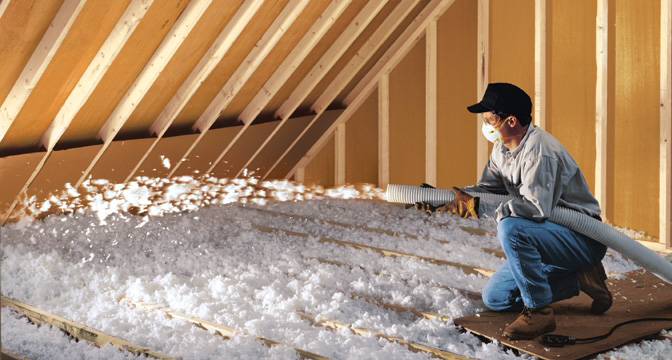
As the weather cools, insulation becomes your primary defense against heat loss. Fall is the best time to prepare for winter by ensuring your attic and roof insulation are in top condition.
Cold-Season Maintenance Checklist
- Evaluate Insulation Depth: Check that insulation is evenly distributed and meets recommended R-values for your region.
- Seal Air Leaks: Use caulk or weatherstripping around attic hatches, vents, and light fixtures to prevent drafts.
- Look for Compaction: Insulation can settle or become compressed, reducing effectiveness. Fluff or replace as needed.
- Address Ice Dams: Ensure proper ventilation and insulation to prevent ice buildup on the roof edge.
Common Issues and How to Address Them
Even with regular roof insulation seasonal care, problems can arise. Recognizing and addressing these issues early can save time and money.
- Mold and Mildew: Caused by moisture intrusion. Improve ventilation and replace affected insulation.
- Pest Damage: Rodents and insects can burrow into insulation. Remove contaminated material and seal entry points.
- Settling or Gaps: Over time, insulation may shift, leaving unprotected areas. Add more insulation or redistribute existing material.
- Water Leaks: Stains or dampness indicate roof leaks. Repair roofing and replace any wet insulation promptly.
Tips for Long-Term Performance
To maximize the benefits of your insulation, incorporate these best practices into your annual home maintenance routine:
- Schedule Biannual Inspections: Check insulation every spring and fall for signs of wear or damage.
- Keep Attic Clean: Remove debris and ensure vents remain unobstructed.
- Monitor Humidity: Use a hygrometer to keep attic humidity below 60%.
- Upgrade When Renovating: If you’re updating your roof or attic, consider modern insulation materials or integrating latest solar roofing technology for added efficiency.
Integrating Insulation with Modern Roofing Solutions
As building technologies advance, there are more options than ever for improving home energy efficiency. For example, combining upgraded insulation with innovations in solar roofing can further reduce energy costs and environmental impact. When planning insulation upgrades, consider how they might work alongside other energy-saving features.
FAQ: Roof Insulation and Seasonal Upkeep
How often should I inspect my attic insulation?
It’s best to check your insulation at least twice a year—once in the spring and again in the fall. This helps you spot any moisture, pest activity, or settling before it becomes a bigger issue.
What are the signs that my insulation needs replacing?
Look for visible mold, water stains, compressed or uneven insulation, and signs of pests. If your home feels drafty or your energy bills rise unexpectedly, your insulation may no longer be effective.
Can I add new insulation over old material?
In most cases, you can add new insulation on top of existing layers, provided the old material is dry and free of mold or pests. If the existing insulation is damaged, it’s best to remove and replace it.
Is professional help necessary for seasonal insulation care?
While many maintenance tasks can be handled by homeowners, professional assessments are recommended if you suspect major issues like widespread mold, structural damage, or if you’re planning a significant upgrade.
How does insulation impact solar roofing performance?
Effective insulation complements solar roofing by stabilizing indoor temperatures, reducing the load on HVAC systems, and maximizing the benefits of solar energy. For more information, see our guide on solar roofing site assessment.
By making roof insulation seasonal care a regular part of your home maintenance routine, you can enjoy improved comfort, lower energy bills, and peace of mind throughout the year.