Choosing the right amount of insulation for your roof is a critical step in ensuring energy efficiency, indoor comfort, and long-term savings. Homeowners and builders alike often seek roof insulation thickness recommendations to maximize performance and meet building codes. The ideal thickness depends on several factors, including climate zone, insulation material, and the desired thermal resistance (R-value). Understanding these variables can help you make informed decisions for both new construction and retrofit projects.
Properly installed and adequately thick insulation reduces heat loss in winter and heat gain in summer, lowering energy bills and extending the life of your roofing system. As energy standards evolve and sustainability becomes a priority, knowing how much insulation to use is more important than ever. For those interested in integrating renewable technologies, such as solar panels, insulation plays a key role in overall roof performance. For more on this topic, you might find our article on solar roofing market trends useful.
Why Roof Insulation Thickness Matters
The thickness of your roof insulation directly impacts the R-value, which measures resistance to heat flow. A higher R-value means better insulating power. Insufficient insulation can lead to energy waste, uncomfortable indoor temperatures, and increased strain on heating and cooling systems. On the other hand, following roof insulation thickness recommendations ensures your home remains comfortable year-round and meets modern energy codes.
In addition to energy savings, adequate insulation helps prevent moisture buildup, ice dams, and structural issues. It also supports the effectiveness of advanced roofing systems, including those with integrated solar technology or green roofs.
Factors Influencing Insulation Thickness Choices
Several key factors determine the optimal thickness for your roof insulation:
- Climate Zone: Colder regions require higher R-values and thicker insulation layers compared to milder climates.
- Insulation Material: Different materials (fiberglass, cellulose, spray foam, rigid foam) have unique R-values per inch, affecting the required thickness.
- Building Codes: Local regulations often specify minimum R-values for roofs, which translate into minimum thickness requirements.
- Roof Structure: Attic spaces, cathedral ceilings, and flat roofs may have different insulation needs based on their design and accessibility.
- Existing Insulation: For retrofit projects, the amount and type of existing insulation will influence how much more should be added.
General Roof Insulation Thickness Recommendations by Climate
Energy codes and best practices provide clear guidance on how much insulation is needed for different regions. The U.S. Department of Energy (DOE) and International Energy Conservation Code (IECC) offer region-specific R-value targets. Here’s a general breakdown:
| Climate Zone | Recommended R-Value | Approximate Thickness (Fiberglass Batts) |
|---|---|---|
| Zone 1 (Hot) | R30 – R49 | 9.5 – 16 inches |
| Zone 2 | R30 – R60 | 9.5 – 19 inches |
| Zone 3 | R38 – R60 | 12 – 19 inches |
| Zone 4 | R38 – R60 | 12 – 19 inches |
| Zone 5–8 (Cold/Very Cold) | R49 – R60 | 16 – 19 inches |
Keep in mind that these thicknesses are approximate and based on standard fiberglass batts. Other materials, such as spray foam or rigid foam boards, may require less thickness to achieve the same R-value due to higher insulating properties per inch.
Comparing Common Insulation Materials
Material choice is a major factor in determining how thick your insulation needs to be. Here’s how some popular options compare:
- Fiberglass Batts: R-value of about 3.2–3.8 per inch. Commonly used and easy to install, but may require more thickness to reach higher R-values.
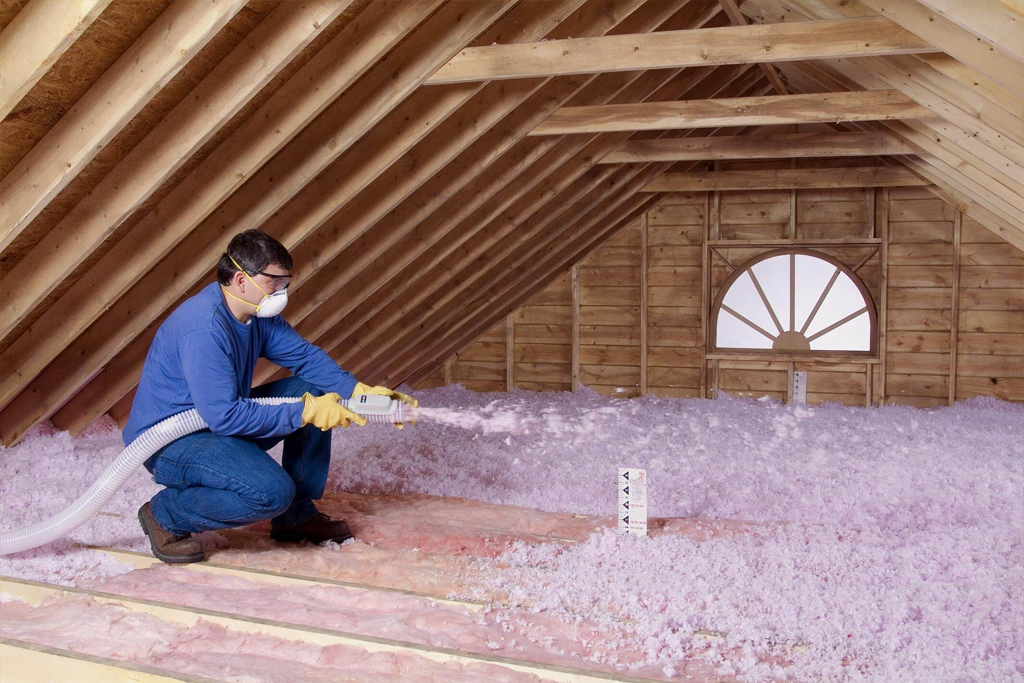
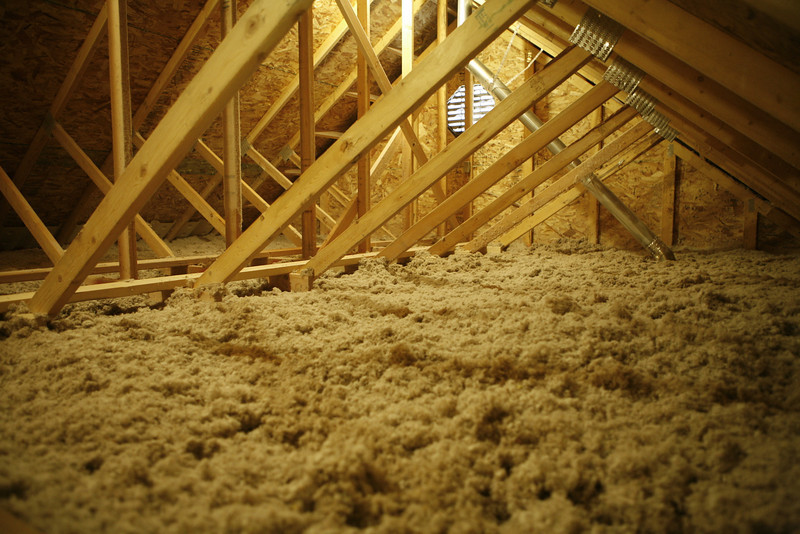
- Cellulose: R-value of about 3.2–3.8 per inch. Blown-in cellulose is effective for attics and can fill gaps well.
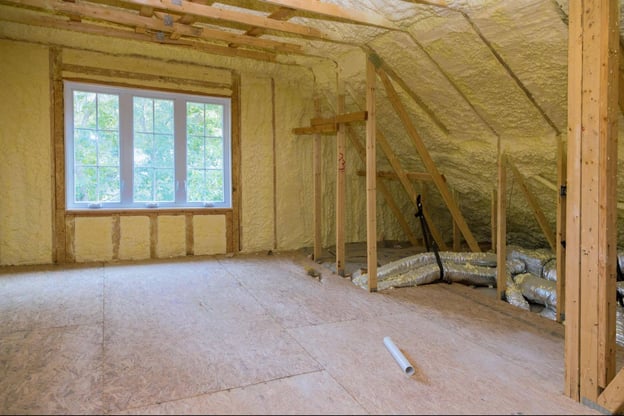
- Spray Foam: Closed-cell spray foam offers R-values of 6–7 per inch, allowing for thinner layers to achieve high performance. Open-cell foam is slightly lower at R3.5–3.6 per inch.
- Rigid Foam Board: Polyisocyanurate and extruded polystyrene (XPS) boards provide R5–R6.5 per inch, making them ideal for limited-space applications.
Best Practices for Achieving Optimal Insulation Performance
To get the most from your insulation investment, consider these best practices:
- Seal Air Leaks: Before adding insulation, seal gaps, cracks, and penetrations to prevent air movement that can undermine performance.
- Layering: In retrofit situations, add new insulation over existing material to reach the desired R-value, unless the old insulation is wet or damaged.
- Even Coverage: Ensure insulation is distributed evenly, with no gaps or compressed areas, to avoid cold spots and heat loss.
- Ventilation: Maintain proper attic ventilation to prevent moisture buildup and extend the life of both insulation and roofing materials.
- Consult Local Codes: Always check local building codes for minimum requirements, as they may exceed national guidelines.
Integrating Insulation with Modern Roofing Systems
With the rise of advanced roofing technologies, such as solar panels and green roofs, insulation requirements may shift. Proper insulation supports the efficiency of solar roofing systems by minimizing heat transfer and protecting underlying structures. For those considering renewable energy upgrades, understanding roof insulation thickness recommendations is crucial for maximizing both energy savings and system performance. You can learn more about the latest developments in this space in our guide to latest solar roofing technology.
Frequently Asked Questions
How do I know if my attic insulation is thick enough?
Measure the depth of your existing insulation and compare it to local code requirements or DOE recommendations for your climate zone. If your insulation is below the suggested thickness or you notice uneven coverage, drafts, or high energy bills, adding more may be necessary.
Can I add new insulation over old insulation?
Yes, as long as the existing insulation is dry, clean, and free of mold or pests. Layering new insulation on top of old is a common way to reach the recommended R-value without removing what’s already there.
Does the type of insulation affect how thick it should be?
Absolutely. Different materials have different R-values per inch. For example, spray foam and rigid foam boards provide higher R-values in less space compared to fiberglass or cellulose, so you may need less thickness to achieve the same insulating effect.
Is more insulation always better?
While increasing insulation improves energy efficiency up to a point, there are diminishing returns beyond recommended levels. Excessive thickness can also cause ventilation or moisture issues. It’s best to follow established guidelines for your region and roof type.
How does roof insulation impact solar roofing systems?
Proper insulation helps maintain consistent indoor temperatures and supports the efficiency of solar panels by reducing heat transfer through the roof. This can enhance the overall performance and lifespan of both the roofing system and solar technology. For more on this, see our article on innovations in solar roofing.
Making informed choices about insulation thickness not only improves comfort and efficiency but also prepares your home for future upgrades and changing energy standards. For ongoing developments and future trends in roofing, check out our insights on solar roofing future trends.