Improving your home’s energy efficiency often starts at the top—with the attic. Understanding how much you can save by upgrading attic insulation is a practical step toward reducing utility bills and enhancing indoor comfort. Calculating these savings involves a mix of building science, local climate data, and a clear look at your current insulation levels. This article breaks down the process of estimating potential savings, explains the key variables, and offers practical tips for homeowners considering an attic insulation upgrade.
For those interested in broader trends and innovations in home energy efficiency, you may also want to explore solar roofing market trends for insights on how roofing technology is evolving alongside insulation advancements.
Why Attic Insulation Matters for Home Energy Efficiency
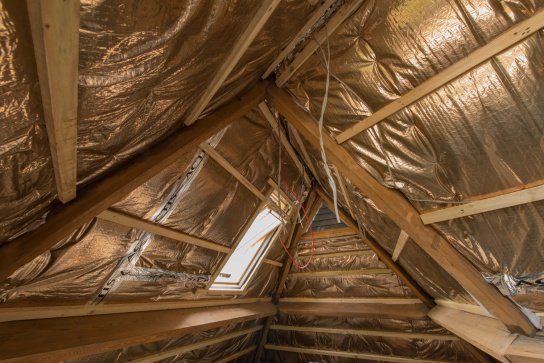
The attic is a major source of heat loss in most homes. In winter, warm air rises and escapes through the roof if insulation is inadequate. In summer, a poorly insulated attic allows heat to penetrate living spaces, forcing air conditioners to work harder. By improving attic insulation, you can reduce the workload on your HVAC system, leading to lower energy consumption and utility costs.
According to the U.S. Department of Energy, homeowners can save up to 15% on heating and cooling costs by properly insulating attics, floors, and crawl spaces. However, the exact savings depend on several factors, including your home’s size, current insulation levels, and local climate.
Key Factors That Influence Insulation Savings
Before diving into calculations, it’s important to understand the variables that impact how much you can save by upgrading attic insulation:
- Current R-value: The R-value measures insulation’s resistance to heat flow. Higher R-values mean better insulation. If your attic already has a high R-value, additional insulation will yield diminishing returns.
- Recommended R-value for your region: Different climates require different insulation levels. Colder regions need higher R-values than warmer ones.
- Attic size and shape: Larger attics or those with complex layouts may require more material and labor, affecting both cost and potential savings.
- Heating and cooling costs: The higher your current energy bills, the greater your potential savings from improved insulation.
- Type of insulation material: Fiberglass, cellulose, spray foam, and other materials have different costs and performance characteristics.
How to Calculate Potential Savings from Attic Insulation
Estimating the financial benefits of attic insulation upgrades involves a few straightforward calculations. Here’s a step-by-step approach:
-
Determine your attic’s current R-value.
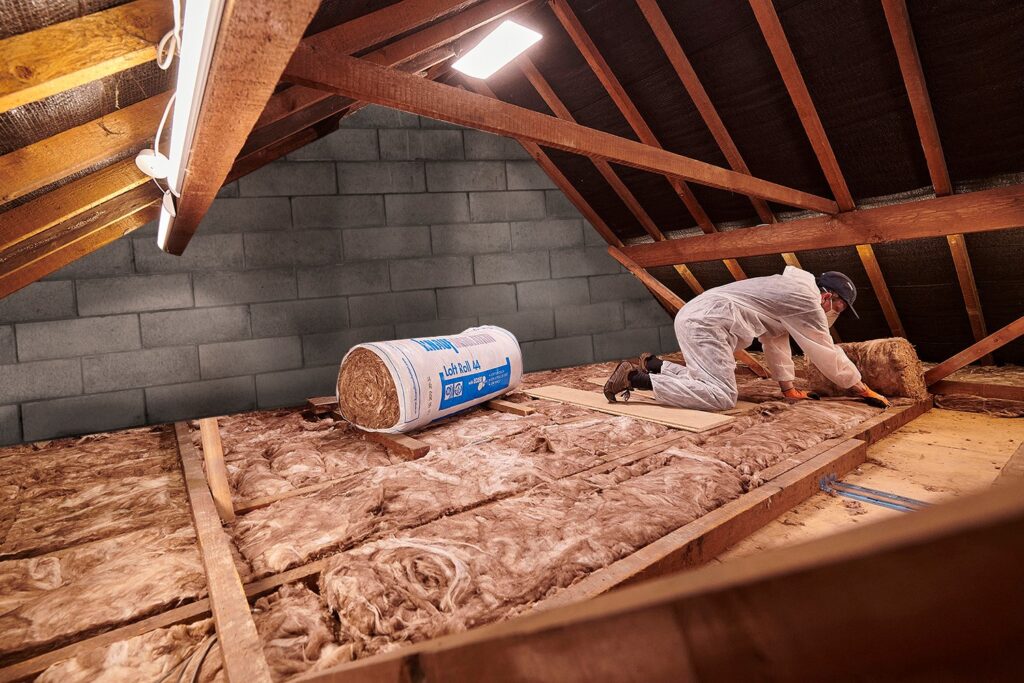
Check the thickness and type of existing insulation. For example, 6 inches of fiberglass batt insulation typically provides an R-value of about R-19. If you’re unsure, consult a professional or use online calculators provided by insulation manufacturers.
-
Find the recommended R-value for your region.
The U.S. Department of Energy provides regional guidelines. For example, in colder northern climates, an R-value of R-49 or higher is often recommended, while milder climates may only require R-30 to R-38.
-
Calculate the difference in R-value.
Subtract your current R-value from the recommended value to determine how much additional insulation you need.
-
Estimate annual energy savings.
A general rule of thumb is that upgrading from an under-insulated attic to the recommended level can save 10–20% on heating and cooling costs. For a more precise estimate, use the following formula:
Annual Savings = (Current Annual Energy Cost) × (Estimated Savings Percentage)
For example, if your annual heating and cooling costs are $2,000 and you expect a 15% reduction, your savings would be $300 per year.
-
Factor in installation costs.
Compare your estimated annual savings to the cost of materials and installation to determine the payback period. Many attic insulation projects pay for themselves in 3–5 years.
Real-World Example of Insulation Savings
Consider a 1,500-square-foot home in a cold climate with an attic currently insulated to R-19. The recommended R-value is R-49. By adding enough insulation to reach R-49, the homeowner could reduce heat loss by up to 50%. If the household spends $1,800 annually on heating and cooling, a 15% savings would result in $270 saved each year. If the insulation upgrade costs $1,200, the payback period would be just over four years.
Keep in mind that actual results vary based on energy prices, the efficiency of your HVAC system, and how well the rest of your home is sealed.

Additional Benefits Beyond Energy Savings
While the primary motivation for upgrading attic insulation is to cut energy costs, there are other advantages:
- Improved comfort: Consistent indoor temperatures and fewer drafts.
- Reduced environmental impact: Lower energy usage means a smaller carbon footprint.
- Increased home value: Energy-efficient homes are more attractive to buyers.
- Less strain on HVAC equipment: Systems last longer when they don’t have to work as hard.
For those interested in integrating insulation upgrades with other energy-saving technologies, learning about latest solar roofing technology can provide additional opportunities for efficiency and sustainability.
Common Mistakes to Avoid When Calculating Insulation Savings
Accurately estimating the benefits of attic insulation upgrades requires attention to detail. Here are some pitfalls to watch out for:
- Ignoring air leaks: Insulation is less effective if your attic has gaps or unsealed penetrations. Always air-seal before adding insulation.
- Overestimating savings: Adding insulation beyond the recommended R-value yields minimal additional benefit.
- Neglecting other energy losses: Windows, doors, and walls also contribute to heat loss. Consider a whole-home approach for maximum efficiency.
- Using outdated energy costs: Use your most recent utility bills for accurate calculations.
FAQ: Attic Insulation and Energy Savings
How do I know if my attic needs more insulation?
Signs include uneven temperatures between rooms, high energy bills, and visible gaps or thin insulation in the attic. If you can see the joists, you likely need more insulation.
Is it possible to add too much insulation?
Yes, adding insulation beyond the recommended R-value for your region offers little additional benefit and may not be cost-effective. Focus on reaching, but not greatly exceeding, local guidelines.
Can attic insulation help in hot climates?
Absolutely. Proper attic insulation keeps heat out during summer, reducing cooling costs and improving comfort in warm regions.
How long does attic insulation typically last?
Most insulation materials, such as fiberglass and cellulose, last 20–30 years or more if kept dry and undisturbed. Regular inspections can help ensure ongoing performance.
Conclusion
Calculating the potential savings from attic insulation upgrades is a practical way to plan home improvements and manage energy costs. By understanding your current insulation levels, local recommendations, and the factors that influence energy use, you can make informed decisions that benefit both your wallet and the environment. For those considering a comprehensive approach to home efficiency, combining insulation with other technologies—such as solar roofing—can further enhance savings and sustainability.