Improving the energy efficiency of your home can significantly reduce utility bills and enhance comfort. One of the most effective ways to achieve this is through proper attic insulation. By insulating your attic, you can prevent heat loss in the winter and keep your home cooler in the summer, leading to a more energy-efficient living space.
Before diving into the specifics of attic insulation, it’s worth noting the broader context of energy-efficient home improvements. For instance, integrating solar solutions can complement insulation efforts. You might find it beneficial to explore solar roofing market trends to see how these technologies can work together.
Understanding the Importance of Attic Insulation
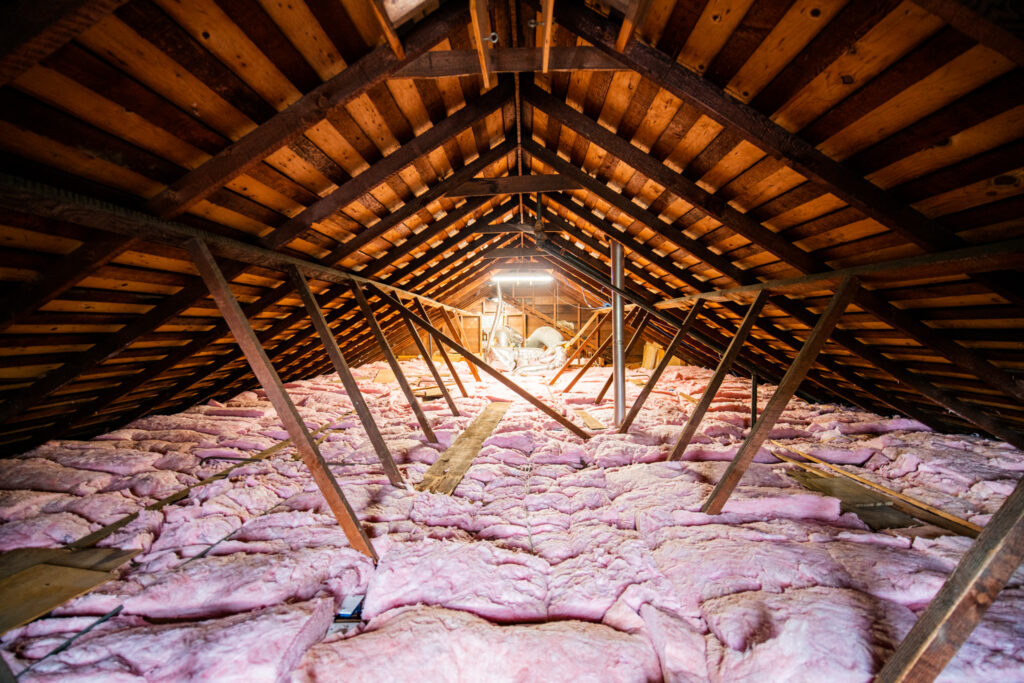
Insulating your attic is crucial for maintaining a consistent indoor temperature. Without proper insulation, a significant amount of heat can escape through the roof, causing your heating system to work harder. This not only increases energy consumption but also leads to higher utility bills.
Types of Insulation Materials
There are various materials available for insulating an attic, each with its own benefits and drawbacks. Here are some popular options:
- Fiberglass: This is one of the most common insulation materials, known for its affordability and effectiveness. It comes in batts or loose-fill forms.
- Cellulose: Made from recycled paper products, cellulose is an eco-friendly option that provides excellent thermal resistance.
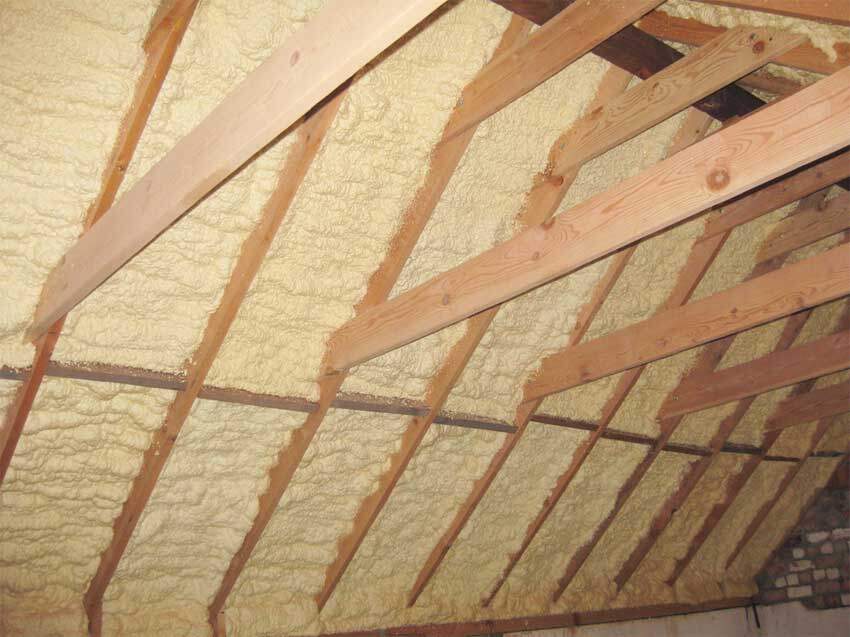
- Spray Foam: Offering superior air sealing properties, spray foam insulation is ideal for filling gaps and cracks but tends to be more expensive.
Steps to Insulate Your Attic
Insulating your attic can be a DIY project or handled by professionals. Here’s a step-by-step guide to help you through the process:
1. Assess Your Current Insulation
Before adding new insulation, evaluate the existing material. Check for any damage or areas where insulation is lacking. This assessment will help you determine how much new insulation is needed.
2. Choose the Right Insulation Material
Based on your budget and insulation needs, select the appropriate material. Consider factors such as R-value, which measures thermal resistance, and the ease of installation.
3. Prepare the Attic Space
Clear the attic of any debris and seal any air leaks. This step is crucial to ensure that the insulation performs optimally.
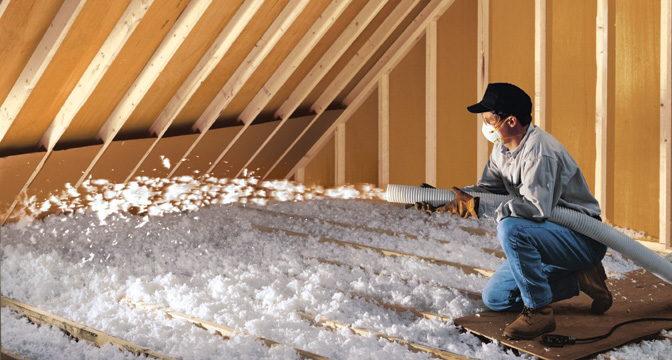
4. Install the Insulation
Follow the manufacturer’s instructions for installing the insulation. Ensure that the material is evenly distributed and covers all necessary areas without compressing it, as this can reduce its effectiveness.
Benefits of Proper Attic Insulation
Investing in quality attic insulation offers numerous advantages:
- Energy Savings: A well-insulated attic reduces the need for heating and cooling, leading to lower energy bills.
- Enhanced Comfort: Insulation helps maintain a consistent temperature throughout your home, improving overall comfort.
- Environmental Impact: By reducing energy consumption, you contribute to a smaller carbon footprint.
For those interested in further enhancing their home’s energy efficiency, exploring latest solar roofing technology can provide additional insights into sustainable home improvements.
Frequently Asked Questions
What is the best type of insulation for attics?
The best type of insulation depends on your specific needs and budget. Fiberglass is a popular choice for its cost-effectiveness, while spray foam offers superior air sealing.
How much insulation do I need for my attic?
The amount of insulation needed varies based on climate and the current state of your attic. It’s essential to assess your attic’s existing insulation and consult local building codes for recommendations.
Can I install attic insulation myself?
Yes, attic insulation can be a DIY project if you have the necessary skills and tools. However, hiring a professional ensures proper installation and maximizes energy efficiency benefits.