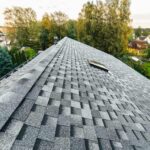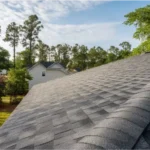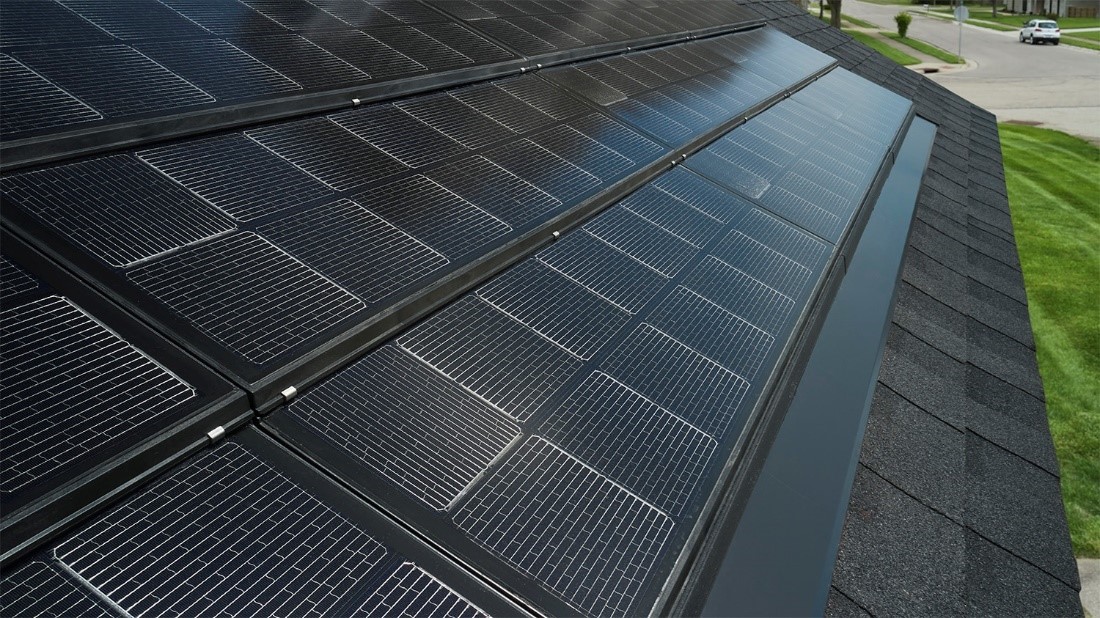
As solar technology becomes more integrated into residential and commercial buildings, understanding how these systems perform under extreme weather is essential. One of the most important factors for homeowners and building professionals is solar roofing wind resistance. This concept refers to how well solar panels, shingles, or tiles can withstand high winds, storms, and even hurricanes without detaching or causing roof damage.
With the rise of sustainable energy solutions, more property owners are considering solar roofing not just for energy savings, but also for its durability and reliability. If you’re exploring the latest advancements in this field, you may also want to review latest solar roofing technology for a broader perspective on how modern systems are engineered for both performance and resilience.
What Determines Wind Resistance in Solar Roofing?
The ability of a solar roofing system to withstand strong winds depends on several factors. These include the type of solar product used (such as panels, shingles, or tiles), the installation method, the quality of mounting hardware, and the underlying roof structure. Each component plays a role in ensuring the system remains secure during adverse weather.
- Product Design: Aerodynamic shapes and low-profile designs reduce wind uplift forces.
- Mounting Systems: High-quality brackets and fasteners anchor solar elements firmly to the roof deck.
- Roofing Material Compatibility: Integration with the existing roof type (asphalt, tile, metal) can affect overall wind performance.
- Professional Installation: Proper alignment, spacing, and sealing are critical for maximum wind resistance.
Types of Solar Roofing and Their Wind Performance
There are several main types of solar roofing, each with unique characteristics when it comes to resisting wind. Understanding these differences can help you choose the right solution for your location and needs.
Solar Panels Mounted on Racks
Traditional solar panels are typically installed on racks above the existing roof. While this method is widely used, it can create gaps where wind can get underneath, increasing the risk of uplift. Modern racking systems, however, often include wind deflectors and reinforced mounting points to improve stability.
Integrated Solar Shingles and Tiles
Solar shingles and tiles are designed to blend seamlessly with the roof surface, offering a more streamlined appearance and improved wind resistance. Because they sit flush with the roof, there is less opportunity for wind to get underneath and cause damage. For more on industry trends, see solar roofing market trends.

Solar Roofing Wind Resistance Ratings and Standards
Manufacturers test solar roofing products to meet specific wind resistance standards. In the United States, the most common benchmarks are set by Underwriters Laboratories (UL) and the International Code Council (ICC). These tests simulate high-wind conditions to ensure products can withstand gusts up to 130 mph or more, depending on the region.
When selecting a solar roofing system, look for certifications such as UL 1703 or UL 61730 for panels, and UL 1897 for wind uplift. These ratings indicate that the product has passed rigorous testing for wind performance.
Installation Best Practices for Maximum Wind Protection
Even the best-rated products require proper installation to achieve optimal wind resistance. Here are some best practices:
- Use manufacturer-approved mounting hardware and follow all installation guidelines.
- Ensure all fasteners are properly torqued and sealed against moisture.
- Work with certified installers who have experience with both roofing and solar systems.
- Schedule regular inspections, especially after severe storms, to check for any signs of movement or damage.
For a deeper dive into how site conditions affect solar roofing, the solar roofing site assessment guide offers practical advice on evaluating your property’s suitability.
How Location and Climate Affect Solar Roofing Durability
Wind resistance needs vary by region. Coastal areas, hurricane zones, and tornado-prone regions require systems that can handle higher wind speeds. Local building codes may specify minimum wind ratings for solar installations, so always check requirements before starting a project.
In addition to wind, other climate factors such as hail, heavy rain, and snow can impact the longevity of your solar roof. Choosing products that are tested for multiple weather hazards will provide the best long-term protection.
Maintenance Tips to Preserve Wind Resistance
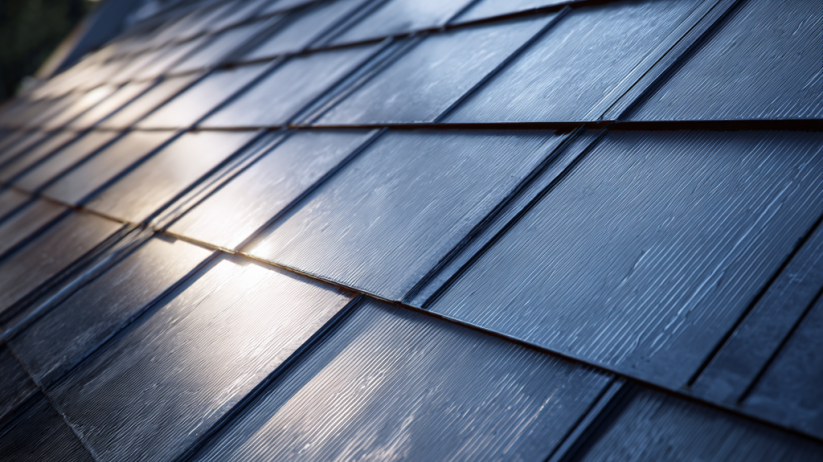
Regular maintenance is key to ensuring your solar roof continues to perform well in windy conditions. Here’s what you can do:
- Inspect mounting hardware and roof attachments annually.
- Remove debris that could interfere with drainage or cause abrasion.
- Clean panels or shingles with appropriate tools to maintain efficiency and prevent buildup.
- Address any signs of wear or damage promptly to avoid larger issues.
For more information on the pros and cons of different solar roofing options, check out this comprehensive guide to solar shingles.
Emerging Trends in Solar Roofing and Wind Performance
The solar industry continues to innovate, with new materials and installation techniques designed to boost wind resistance. Some manufacturers are developing interlocking solar tiles and advanced adhesives that further reduce the risk of wind uplift. These advancements not only improve safety but also expand the range of properties suitable for solar integration.
For a look at what’s on the horizon, see the latest updates on innovations in solar roofing and how these developments may influence future building codes and product standards.
Frequently Asked Questions
How do I know if my solar roof can withstand hurricane-force winds?
Most modern solar roofing products are tested to meet or exceed local wind codes, which can range from 90 mph to over 150 mph in hurricane-prone areas. Check the manufacturer’s certification and consult with a qualified installer to ensure your system is rated for your region’s wind speeds.
Are solar shingles better than traditional panels for wind resistance?
Solar shingles and tiles often provide better wind resistance because they are installed flush with the roof, minimizing gaps where wind can penetrate. However, high-quality racking systems for traditional panels can also achieve excellent results when properly installed.
What should I do after a major windstorm?
After severe weather, inspect your solar roof for any signs of movement, loose hardware, or visible damage. If you notice issues, contact your installer for a professional assessment and repairs if needed. Regular post-storm checks help maintain long-term wind protection.
Can I install solar roofing in areas with frequent high winds?
Yes, but it’s important to choose products with high wind ratings and work with experienced installers. Local building codes may require specific certifications, so always verify compliance before installation.
For additional insights into future developments, see solar roofing future trends and how ongoing research is shaping the next generation of wind-resistant solar solutions.