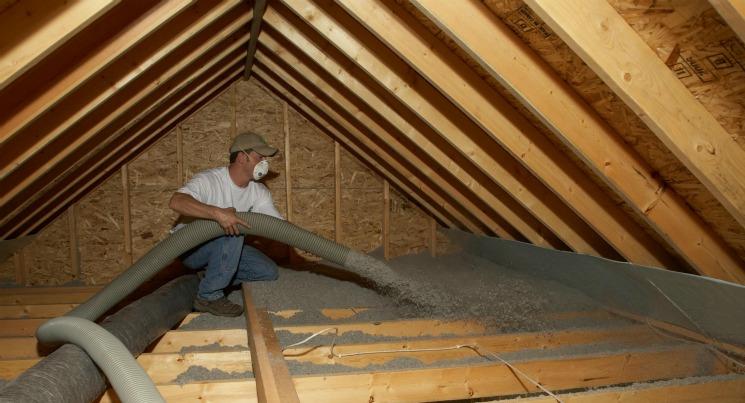
Improving the energy efficiency of homes is one of the most effective ways to reduce environmental impact. Among the various measures available, attic insulation environmental benefits stand out for their significant contribution to both household comfort and ecological sustainability. By reducing energy consumption, minimizing greenhouse gas emissions, and supporting a healthier indoor environment, well-installed attic insulation plays a crucial role in promoting greener living.
As homeowners and builders increasingly seek solutions that align with environmental goals, understanding the full range of advantages provided by quality attic insulation becomes essential. This article explores how proper insulation in the attic not only saves energy but also supports broader environmental objectives, from lowering carbon footprints to reducing the strain on natural resources.
For those interested in how insulation complements other eco-friendly roofing solutions, exploring solar roofing market trends can provide additional insights into sustainable home improvements.
How Attic Insulation Reduces Energy Consumption
One of the most direct attic insulation environmental benefits is its ability to significantly lower the amount of energy required to heat and cool a home. Insulation acts as a barrier to heat flow, keeping warm air inside during winter and blocking heat from entering during summer. This thermal resistance means that HVAC systems do not have to work as hard, leading to lower electricity and fuel usage.
- Reduced heating and cooling demand: Properly insulated attics can cut energy bills by 10–50%, depending on the climate and existing insulation levels.
- Lower peak energy loads: By maintaining a stable indoor temperature, insulation helps utilities avoid spikes in energy demand, which are often met by less efficient, high-emission power plants.
- Decreased reliance on fossil fuels: Less energy use translates to fewer fossil fuels burned for electricity and heating, directly reducing pollution.
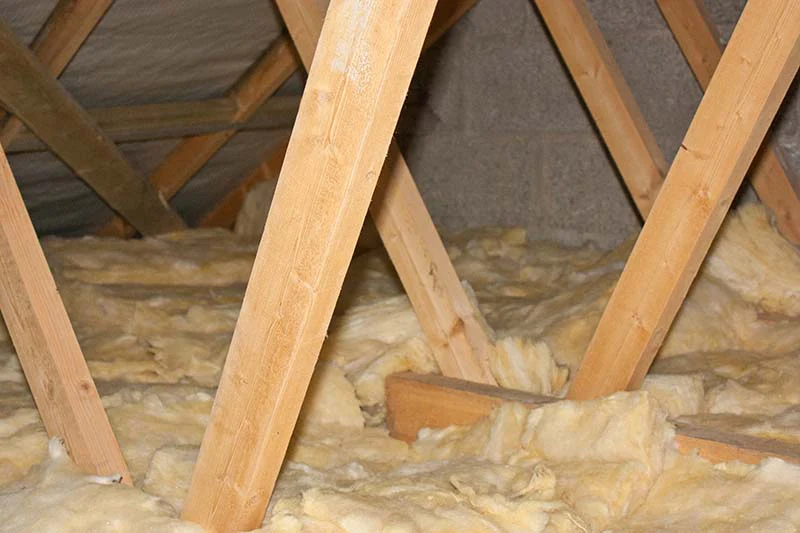
Lowering Greenhouse Gas Emissions Through Insulation
The connection between home energy use and climate change is well established. When homes consume less energy, especially from non-renewable sources, they contribute less to atmospheric carbon dioxide and other greenhouse gases. Attic insulation is a straightforward way to achieve this reduction.
According to the U.S. Environmental Protection Agency, improving insulation in existing homes could prevent millions of tons of carbon emissions annually. This is because less energy is required to maintain comfortable indoor temperatures, and much of that energy currently comes from sources that emit greenhouse gases.
- Immediate impact: The benefits of insulation are realized as soon as it is installed, with measurable reductions in energy use and emissions.
- Long-term sustainability: Insulation typically lasts for decades, providing ongoing environmental advantages throughout the lifespan of a home.
Resource Conservation and Waste Reduction
Beyond reducing energy use, attic insulation supports environmental stewardship by conserving resources and minimizing waste. Many modern insulation materials are made from recycled content, such as cellulose (from recycled paper) or fiberglass (from recycled glass). Choosing these products helps divert waste from landfills and reduces the demand for virgin materials.
- Recycled materials: Opting for insulation with high recycled content supports the circular economy and lowers the environmental footprint of home upgrades.
- Durability: Quality insulation requires little maintenance and rarely needs replacement, reducing the amount of construction waste generated over time.
- Water and air protection: Insulation can also help prevent moisture buildup and air leaks, which can lead to mold growth and indoor air quality issues.
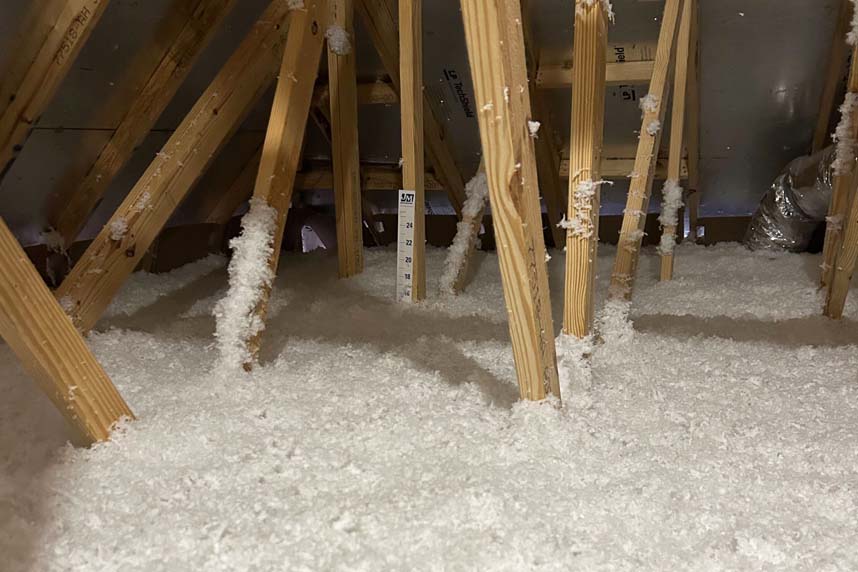
Supporting Healthy Indoor Environments
Proper attic insulation does more than just conserve energy—it also contributes to a healthier living space. By sealing gaps and reducing drafts, insulation helps maintain consistent indoor temperatures and humidity levels. This can prevent the growth of mold and mildew, which thrive in damp, unregulated environments.
Additionally, insulation acts as a barrier to outdoor pollutants and allergens, improving indoor air quality. This is especially important for households with children, elderly residents, or anyone with respiratory sensitivities.
- Moisture control: Prevents condensation and related issues that can damage building materials and affect health.
- Noise reduction: Insulation also dampens sound, creating a quieter, more peaceful home environment.
Synergy With Other Sustainable Roofing Solutions
Attic insulation is most effective when combined with other eco-friendly roofing technologies. For example, integrating insulation with solar roofing systems can maximize energy savings and environmental benefits. Homeowners interested in the latest advancements can learn more by reading about latest solar roofing technology and innovations in solar roofing.
These combined approaches not only lower utility bills but also enhance the overall sustainability of the home, making it more resilient to changing energy markets and environmental regulations.
Choosing Eco-Friendly Insulation Materials
When selecting attic insulation, it is important to consider both performance and environmental impact. Some materials offer higher recycled content, lower embodied energy, or fewer chemical additives. Common options include:
- Cellulose: Made from recycled paper, treated for fire resistance, and highly effective at blocking air leaks.
- Fiberglass: Often contains recycled glass and is widely available in batts or loose-fill forms.
- Mineral wool: Offers excellent fire resistance and soundproofing, with some products made from recycled slag or rock.
- Spray foam: Provides superior air sealing but should be chosen carefully to minimize environmental and health impacts.
Homeowners should consult with insulation professionals to determine the best material for their needs, taking into account climate, building design, and sustainability priorities.
Long-Term Value and Return on Investment
Investing in attic insulation delivers both immediate and lasting returns. Energy savings begin as soon as the installation is complete, and the reduced environmental impact continues for decades. In many regions, rebates and incentives are available to offset the initial cost, making insulation upgrades even more attractive.
Additionally, well-insulated homes tend to have higher resale values and greater appeal to environmentally conscious buyers. For those looking to further enhance their property’s green credentials, exploring solar roofing future trends can provide inspiration for additional improvements.
Frequently Asked Questions
How does attic insulation help the environment?
By reducing the amount of energy needed to heat and cool a home, attic insulation lowers greenhouse gas emissions and conserves natural resources. It also supports healthier indoor air quality and can be made from recycled materials, further minimizing environmental impact.
What types of insulation are most eco-friendly?
Cellulose, fiberglass with recycled content, and mineral wool are among the most environmentally friendly options. These materials use recycled resources and have lower embodied energy compared to some alternatives. Consulting with a professional can help identify the best choice for your specific needs.
Can attic insulation be combined with other green home improvements?
Yes, pairing insulation with technologies like solar roofing amplifies energy savings and environmental benefits. For more information on site assessments and integration, visit the solar roofing site assessment guide.
In summary, the attic insulation environmental benefits extend far beyond simple energy savings. By making this upgrade, homeowners can contribute to a more sustainable future, enjoy healthier living spaces, and realize long-term financial and ecological rewards.