Planning to install a solar roof is a significant investment that can transform your home’s energy profile and reduce long-term costs. Before moving forward, a thorough solar roofing site assessment is essential. This process evaluates your property’s suitability for solar panels or solar shingles, taking into account factors like roof condition, orientation, shading, and local climate. Understanding what goes into a proper evaluation can help you make informed decisions, avoid costly mistakes, and maximize the benefits of your solar installation.
In this article, we’ll walk through the key steps and considerations involved in evaluating your property for solar roofing. We’ll also highlight useful resources, such as the solar roofing capacity calculation guide, to help you plan your project more effectively.
Why a Professional Solar Roof Evaluation Matters
A comprehensive assessment is the foundation of any successful solar project. It ensures your roof can support the weight and configuration of solar panels or shingles, identifies potential obstacles, and helps you estimate the system’s energy output. Skipping this step can lead to underperformance, safety risks, or unexpected expenses down the line.
For homeowners interested in maximizing their investment, a site evaluation also provides the data needed for accurate solar roofing system sizing and helps determine how many solar tiles you need for your unique situation.
Key Steps in the Solar Roofing Site Assessment Process
The evaluation process typically involves several stages, each designed to gather critical information about your property and energy needs.
1. Initial Consultation and Energy Usage Review
The first step is to review your household’s energy consumption. Collect recent utility bills to determine your average monthly and annual usage. This information helps professionals recommend a system that meets your needs without over- or under-sizing.
2. Roof Inspection and Structural Analysis
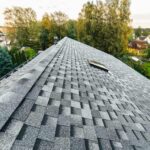
A qualified assessor will examine your roof’s age, material, and structural integrity. They look for signs of wear, damage, or design limitations that could affect installation. If your roof is nearing the end of its lifespan, it may be wise to replace or repair it before adding solar components.
3. Orientation, Tilt, and Shading Analysis
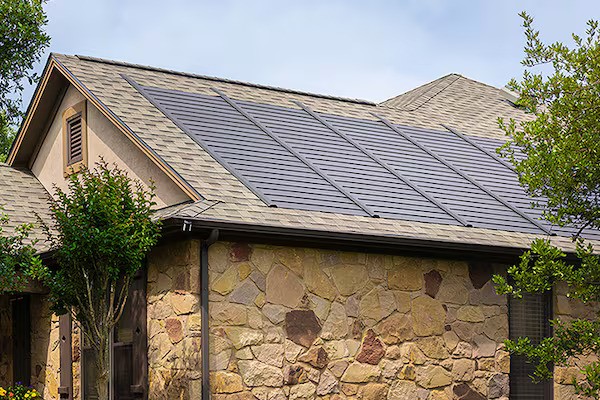
The direction your roof faces and its angle play a major role in how much sunlight your solar system will capture. South-facing roofs with a tilt between 15° and 40° are generally ideal in the northern hemisphere. Assessors use tools to measure shading from trees, chimneys, or nearby buildings throughout the year, as even partial shade can significantly reduce energy production.
4. Surface Area and Usable Space Calculation
Not all roof space is suitable for solar installation. Assessors measure the available, unobstructed area to determine how many panels or shingles can be installed. For a more detailed breakdown, refer to resources like how many solar tiles do I need to estimate your requirements based on your roof’s dimensions and your energy goals.
Other Factors Considered During a Solar Roofing Assessment
Beyond the basics, a thorough evaluation will also look at:
- Local climate and weather patterns – Frequent snow, heavy rain, or high winds may affect system design and mounting choices.
- Roof obstructions – Vents, skylights, and satellite dishes can limit usable space.
- Electrical infrastructure – Your existing electrical panel may need upgrades to support a new solar system.
- Building codes and permitting – Local regulations can influence what type of solar products you can install and how they must be mounted.
Types of Solar Roofing: Panels vs. Shingles
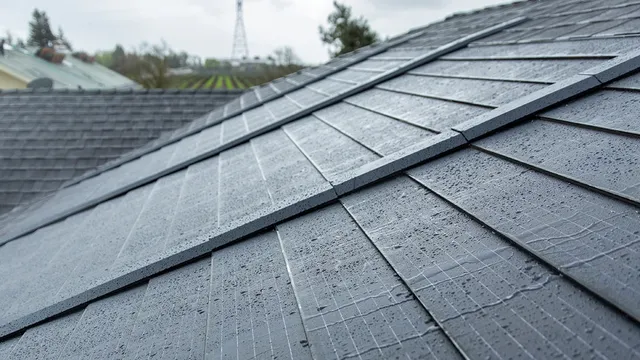
When planning your project, you’ll need to decide between traditional solar panels and newer solar shingles. Each option has unique installation requirements and performance characteristics. For a balanced perspective, check out this comparison of the advantages and disadvantages of solar shingles.
Estimating Solar Output and Return on Investment
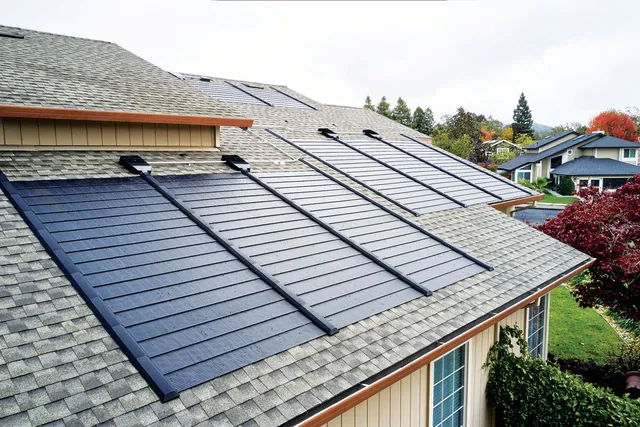
After gathering all site data, professionals use modeling software to estimate how much electricity your system will generate annually. This estimate considers your roof’s orientation, tilt, shading, and local weather. It also helps you calculate your expected savings and payback period.
For those interested in the sustainability aspect, you can learn more about the environmental benefits of solar roofing and how it contributes to energy independence.
Preparing for Your Solar Roofing Assessment
To streamline the process and ensure accurate results, gather the following before your evaluation:
- Recent utility bills (12 months preferred)
- Roof plans or dimensions, if available
- Information about previous roof repairs or replacements
- Photos of your roof and any obstructions
- Questions about your energy goals and budget
Frequently Asked Questions
What is the main goal of a solar roof site evaluation?
The primary purpose is to determine if your property is suitable for solar installation, identify any structural or environmental challenges, and estimate how much energy your system could produce.
How long does the assessment process usually take?
Most site evaluations can be completed in a few hours, though complex roofs or properties with significant shading may require more time for accurate measurements and analysis.
Can I perform a basic assessment myself?
Homeowners can do a preliminary review by checking their roof’s age, orientation, and visible obstructions. However, a professional assessment is recommended for accurate calculations and to ensure all safety and code requirements are met.
Will a solar assessment help with system sizing?
Yes, the data collected during the evaluation is used to recommend the optimal system size for your needs. For more details, see the solar roofing system sizing guide.
Conclusion
A thorough solar roofing site assessment is the first step toward a successful solar installation. By carefully evaluating your roof’s condition, orientation, and available space, you can ensure your investment delivers maximum energy savings and long-term reliability. Take advantage of professional expertise and trusted resources to guide your decision-making process, and you’ll be well on your way to a more sustainable and energy-independent home.