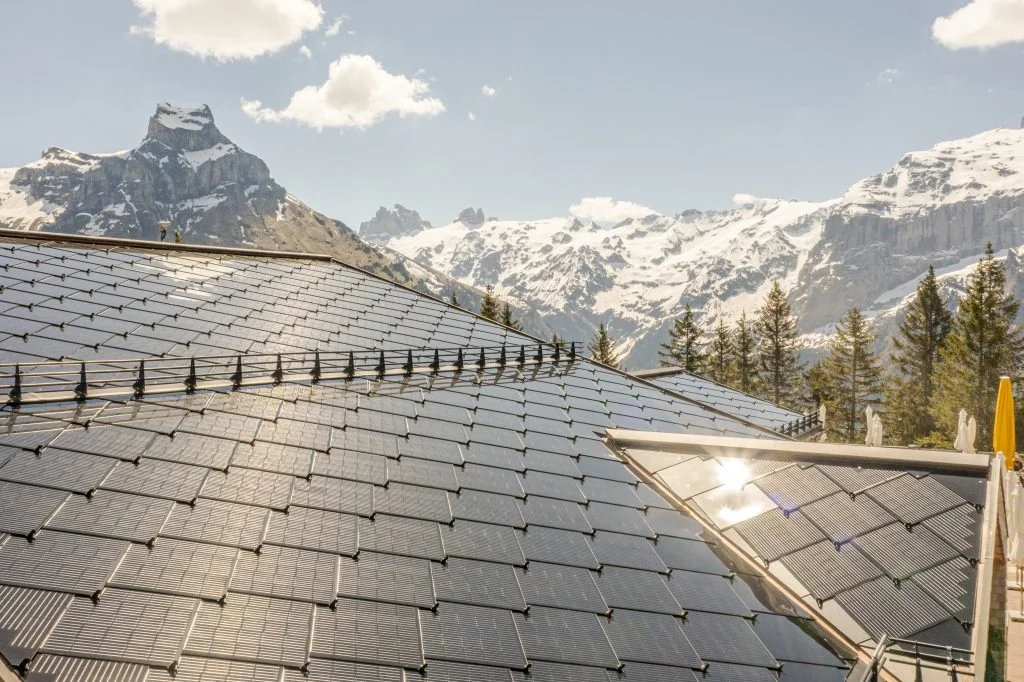
Installing solar panels or integrated solar shingles on a roof is a significant investment that can boost energy efficiency and property value. However, before starting any installation, it’s essential to understand the solar roofing structural requirements that ensure safety, durability, and code compliance. This article provides a comprehensive overview of the factors that determine whether your roof is ready for solar, what upgrades may be needed, and how to plan a successful project.
Whether you are a homeowner, builder, or property manager, knowing the key considerations for supporting solar technology will help you avoid costly mistakes and maximize your system’s lifespan. For those interested in broader industry trends, you can also explore solar roofing market trends to see how innovations are shaping the future of sustainable roofing.
Understanding the Basics of Structural Support for Solar Roofs
Before any solar installation, a thorough evaluation of your roof’s structure is crucial. The main goal is to ensure the roof can safely bear the additional weight and wind loads imposed by solar panels or solar tiles. Here are the foundational elements:
- Load-Bearing Capacity: Most modern roofs are designed to handle a certain amount of dead load (the weight of the roof itself) and live load (temporary loads like snow or maintenance workers). Solar panels add to the dead load, so your roof’s framing—rafters, trusses, and decking—must be assessed for adequacy.
- Roof Age and Condition: Installing solar on an older or damaged roof can lead to premature repairs. It’s best to install solar on roofs with at least 10–15 years of useful life remaining.
- Roofing Material: Solar can be installed on asphalt shingles, metal, tile, and other surfaces, but each has unique attachment and waterproofing requirements.
Key Structural Requirements for Solar Roofing Projects
Meeting solar roofing structural requirements involves more than just weight considerations. Here are the main aspects that must be addressed:
1. Load Calculations and Engineering Review
Solar panels typically add 2–6 pounds per square foot. While this may seem minimal, it can be significant for older homes or those with lightweight trusses. A licensed structural engineer should:
- Calculate the total added load (including panels, racking, and hardware).
- Assess the roof’s framing and decking for strength and integrity.
- Recommend reinforcements if necessary, such as sistering rafters or adding blocking.
2. Wind Uplift and Seismic Considerations
Solar panels can act as sails in high winds, increasing uplift forces on the roof. In regions prone to hurricanes or tornadoes, attachment systems must be engineered to resist these forces. Similarly, in seismic zones, mounting hardware and roof connections must comply with local earthquake codes.
3. Roof Penetrations and Waterproofing
Every penetration for mounting hardware is a potential leak point. Proper flashing and sealing are vital to maintain the roof’s weatherproofing. Some integrated solar roofing systems minimize penetrations, but all require careful attention to waterproofing details.
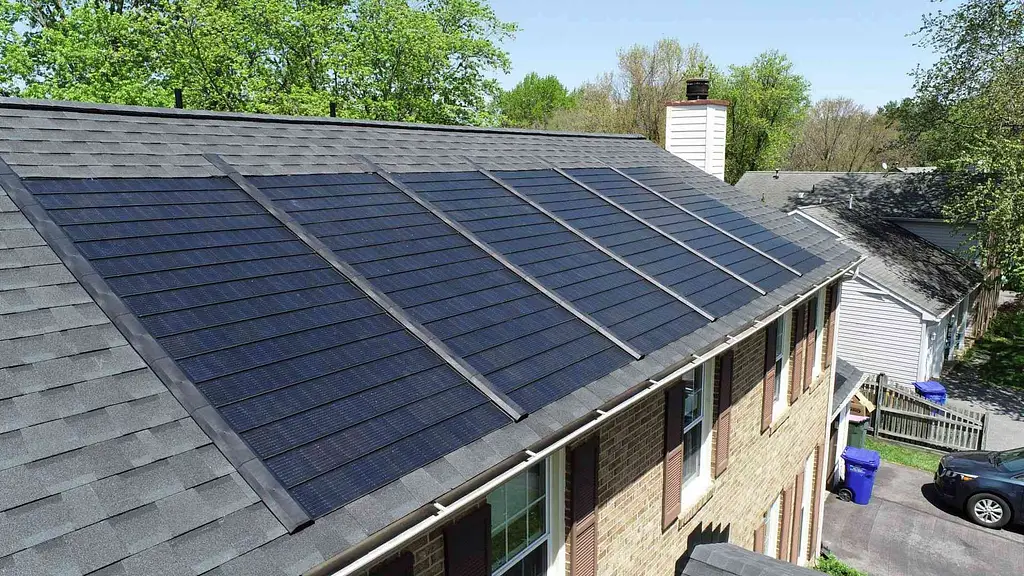
Building Codes and Permitting for Solar Roofs
Local building codes play a critical role in determining what is required for a safe solar installation. These codes address:
- Structural Load: Ensuring the roof can handle the added weight and wind uplift.
- Fire Safety: Some jurisdictions require fire-rated mounting systems or setbacks from roof edges and ridges.
- Electrical Codes: Proper wiring, grounding, and disconnects for safety and inspection.
Permitting processes vary, but most municipalities require engineered drawings and documentation of compliance with all relevant codes. Working with experienced solar installers familiar with local regulations is highly recommended.
Roof Design Considerations for Solar Integration
Not all roofs are equally suited for solar. Here are some design factors that influence both the ease and effectiveness of installation:
- Pitch and Orientation: South-facing roofs with a pitch of 15–40 degrees are generally ideal for solar energy capture.
- Obstructions: Skylights, chimneys, vents, and dormers can limit usable space and complicate racking layouts.
- Shading: Trees, neighboring buildings, or roof features that cast shade can significantly reduce system output.
- Available Area: Sufficient contiguous space is needed to achieve your desired energy offset.
For a deeper dive into how new technologies are shaping these requirements, see the latest solar roofing technology and how it impacts installation practices.
Common Upgrades Needed for Solar-Ready Roofs
Many homes, especially those built before the widespread adoption of solar, may require upgrades to meet modern solar roofing structural requirements. Typical improvements include:
- Reinforcing rafters or trusses to increase load capacity.
- Replacing or overlaying roof decking for better fastener retention.
- Upgrading underlayment or waterproofing membranes.
- Addressing any rot, pest damage, or structural deficiencies.
- Re-roofing if the existing material is near the end of its service life.
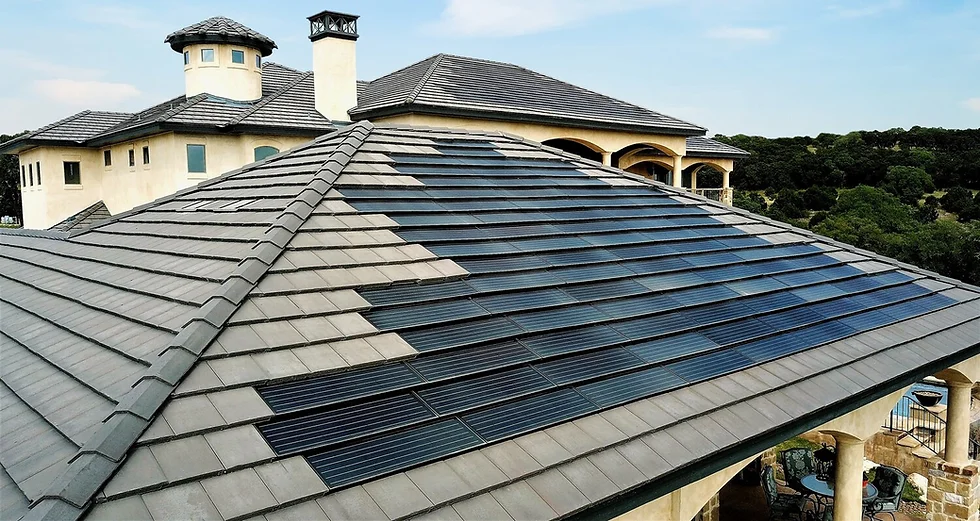
Choosing the Right Solar Roofing System
There are several types of solar roofing products, each with its own structural demands:
- Traditional Rack-Mounted Panels: These are mounted above existing roofing and require secure attachment to rafters or trusses.
- Integrated Solar Shingles or Tiles: These replace standard roofing materials and distribute weight more evenly, but still require a strong substrate.
- Ballasted Systems: Typically used on flat roofs, these rely on weight rather than penetrations, but still add significant load.
Each system has pros and cons regarding aesthetics, maintenance, and structural impact. For a balanced perspective, see this comparison of solar roof tiles’ advantages and disadvantages.
Best Practices for a Successful Solar Roof Installation
- Work with qualified solar contractors who understand both roofing and electrical systems.
- Request a detailed structural assessment before signing contracts.
- Plan for future maintenance—ensure panels can be removed for roof repairs if needed.
- Keep documentation of all engineering reports and permits for insurance and resale purposes.
- Stay informed about innovations in solar roofing that may affect installation and structural requirements.
Frequently Asked Questions
What is the minimum roof strength needed for solar panels?
Most residential solar systems add between 2 and 6 pounds per square foot. Your roof should be able to support this additional load, plus any local code requirements for wind and snow. A structural engineer can provide a precise assessment for your property.
Can solar panels be installed on any type of roof?
Solar can be adapted to most roofing materials, including asphalt shingles, metal, and tile. However, each material requires specific mounting and waterproofing techniques. Some roofs with severe damage or insufficient structure may need upgrades before installation.
Do I need a new roof before installing solar?
If your roof is nearing the end of its lifespan or has significant issues, it’s wise to replace or repair it before adding solar. This prevents the need to remove and reinstall panels for future roof work, saving time and money.
How do building codes affect solar roofing projects?
Building codes ensure that solar installations are safe and reliable. They address structural load, fire safety, electrical standards, and sometimes aesthetic considerations. Always check with your local permitting office or a qualified installer to ensure compliance.
Conclusion
Understanding and meeting solar roofing structural requirements is essential for a safe, efficient, and long-lasting solar installation. By evaluating your roof’s condition, working with professionals, and following best practices, you can enjoy the benefits of solar energy with confidence. For more detailed site-specific advice, consider reading the solar roofing site assessment guide to help you prepare for your project.