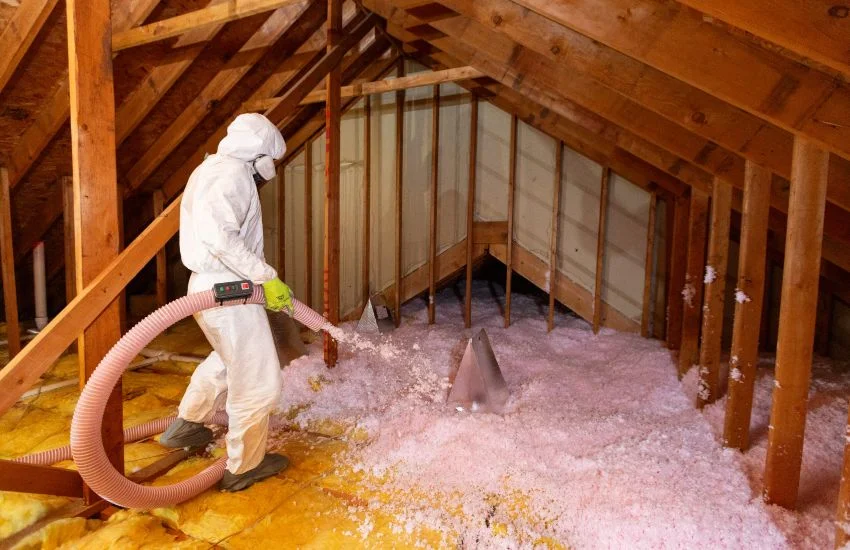
Upgrading the effectiveness of your roof’s insulation is one of the most impactful ways to enhance your home’s energy efficiency, comfort, and long-term durability. Whether you’re dealing with high utility bills, uneven indoor temperatures, or concerns about moisture and mold, addressing the quality of your roof insulation can provide significant benefits. This article explores practical strategies, material options, and professional tips to help you maximize the thermal performance of your roof and create a more comfortable living environment.
For homeowners interested in the latest advancements in roofing, exploring solar roofing market trends can also provide insights into how modern roofing systems integrate insulation with energy generation.
Understanding the Importance of Roof Insulation Efficiency
The roof is a major pathway for heat transfer in any building. Inadequate insulation allows heat to escape during winter and enter during summer, causing HVAC systems to work harder and increasing energy costs. By focusing on roof insulation performance, you can reduce energy loss, maintain consistent indoor temperatures, and extend the lifespan of your roofing materials.
Effective insulation also helps prevent condensation and moisture buildup in the attic, reducing the risk of mold, mildew, and structural damage. This is especially important in climates with significant temperature swings or high humidity.
Key Factors That Affect Roof Insulation Results
Several variables influence how well your roof insulation performs. Understanding these factors can help you identify areas for improvement and select the best solutions for your home.
- Type of Insulation Material: Common options include fiberglass batts, blown-in cellulose, spray foam, and rigid foam boards. Each has different thermal properties and installation requirements.
- Insulation Thickness and R-Value: The R-value measures thermal resistance. Higher R-values indicate better insulation. Local building codes often specify minimum R-values for roofs and attics.
- Installation Quality: Gaps, compression, or improper placement can significantly reduce effectiveness, even with high-quality materials.
- Ventilation: Proper attic ventilation works alongside insulation to regulate temperature and moisture, preventing ice dams and condensation issues.
- Air Sealing: Sealing air leaks around penetrations, vents, and attic access points is crucial for maximizing insulation benefits.

Practical Steps to Enhance Roof Insulation
Improving the thermal efficiency of your roof involves a combination of material upgrades, installation techniques, and ongoing maintenance. Here are actionable steps to boost your home’s energy performance:
Assess Current Insulation Levels
Start by inspecting your attic or roof cavity. Measure the depth of existing insulation and check for signs of damage, moisture, or pest activity. Compare your findings to recommended R-values for your region. If insulation is below standard or shows signs of deterioration, it’s time to consider an upgrade.
Upgrade to High-Performance Materials
Modern insulation products offer improved thermal resistance and durability. For example, spray foam provides both insulation and air sealing in one application, while blown-in cellulose can fill irregular spaces more effectively than batts. Rigid foam boards are ideal for cathedral ceilings or exterior applications.
Seal Air Leaks for Maximum Effectiveness
Even the best insulation won’t perform optimally if air leaks are present. Use caulk or expanding foam to seal gaps around plumbing vents, electrical penetrations, attic hatches, and recessed lighting. Pay special attention to areas where different building materials meet.
Ensure Proper Ventilation
Balanced attic ventilation helps regulate temperature and moisture, working in tandem with insulation. Install soffit and ridge vents as needed, and make sure existing vents are unobstructed. This prevents heat buildup in summer and reduces the risk of ice dams in winter.
Address Moisture and Condensation Risks
Moisture can severely compromise insulation performance. Install vapor barriers where appropriate, and repair any roof leaks promptly. Regularly inspect your attic for signs of water intrusion or mold growth.
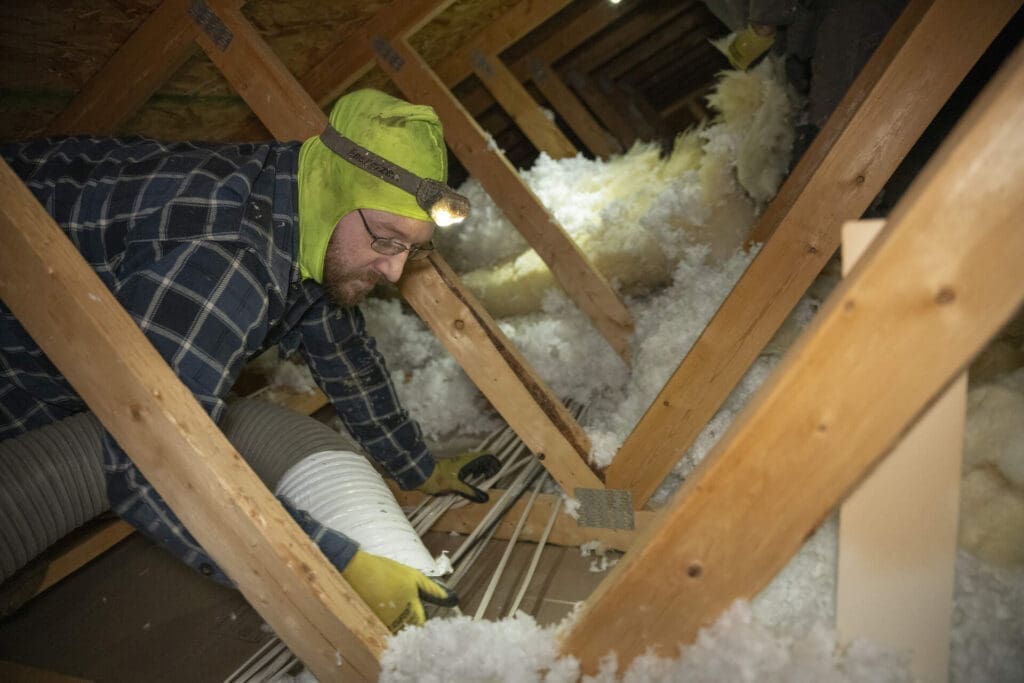
Choosing the Right Insulation for Your Roof
The best insulation solution depends on your roof structure, climate, and budget. Here’s a quick comparison of common options:
| Material | R-Value per Inch | Best For | Notes |
|---|---|---|---|
| Fiberglass Batts | 2.9–3.8 | Standard attics, DIY projects | Affordable, but gaps reduce effectiveness |
| Blown-In Cellulose | 3.2–3.8 | Irregular spaces, retrofits | Good coverage, eco-friendly |
| Spray Foam | 6.0–7.0 (closed cell) | Air sealing, high-performance needs | Higher cost, professional install |
| Rigid Foam Board | 4.0–6.5 | Cathedral ceilings, exterior | High R-value, moisture resistant |
Long-Term Maintenance for Lasting Results
Maintaining optimal insulation performance is an ongoing process. Inspect your attic and roof at least once a year for signs of settling, moisture, or pest activity. Replace or add insulation as needed, and keep ventilation systems clear of debris. Regular maintenance ensures your investment continues to deliver energy savings and comfort year after year.
Integrating Insulation with Modern Roofing Solutions
As roofing technology evolves, new systems are being developed that combine insulation with other benefits, such as solar energy generation. Homeowners interested in sustainable solutions may want to learn more about latest solar roofing technology and how it can complement high-performance insulation for even greater energy efficiency.
Frequently Asked Questions
What is the ideal R-value for roof insulation?
The recommended R-value varies by climate zone. In colder regions, R-38 to R-60 is typical, while milder climates may require R-30 to R-38. Always check local building codes for specific requirements.
Can I add new insulation over old insulation?
Yes, as long as the existing insulation is dry and free of mold or pests. Adding a new layer can improve performance, but avoid compressing the material, as this reduces its effectiveness.
How do I know if my roof insulation needs upgrading?
Signs include uneven indoor temperatures, high energy bills, drafts, or visible gaps in attic insulation. A professional energy audit can provide a detailed assessment of your home’s insulation needs.
Is it worth investing in professional installation?
While DIY installation is possible for some materials, hiring a professional ensures proper air sealing, coverage, and compliance with local codes. This can maximize the long-term benefits of your insulation investment.