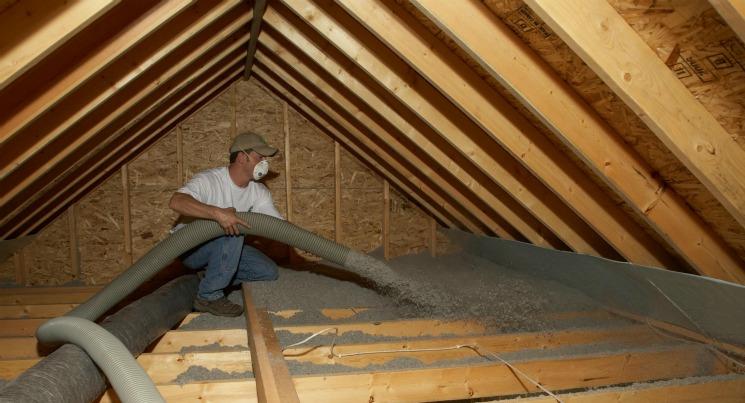
Properly insulating your attic is one of the most effective ways to improve energy efficiency, maintain indoor comfort, and protect your home from moisture problems. However, it’s not just about adding more insulation—there are specific attic insulation and building codes that homeowners, builders, and contractors must follow to ensure safety and compliance. These regulations are designed to set minimum standards for thermal resistance, fire safety, ventilation, and installation practices.
Understanding these requirements can help you avoid costly mistakes, failed inspections, or even structural issues down the line. This article breaks down the essentials of attic insulation standards, how codes vary by region, and what you need to know before starting an upgrade or new construction project. If you’re also interested in how roofing technology is evolving, you might want to explore latest solar roofing technology for a broader perspective on home energy improvements.
Why Building Codes Matter for Attic Insulation
Building codes serve as the foundation for safe and efficient construction practices. When it comes to attic insulation, these codes ensure that materials and installation methods meet minimum standards for thermal performance and fire resistance. Adhering to attic insulation and building codes is not just about passing inspections—it’s about protecting your investment and the health of your home’s occupants.
Codes also help prevent common issues such as ice dams, mold growth, and excessive energy loss. By following the latest standards, you can be confident that your attic will contribute to a comfortable, durable, and energy-efficient living environment.
Key Elements of Attic Insulation Standards
The main components of attic insulation regulations include minimum R-values, approved insulation types, fire safety measures, and ventilation requirements. Let’s break down each of these elements:
- R-Value Requirements: The R-value measures the insulation’s resistance to heat flow. Building codes specify a minimum R-value for attics, which varies by climate zone. In colder regions, higher R-values are required to prevent heat loss, while milder climates may have lower minimums.
- Approved Insulation Materials: Only certain types of insulation—such as fiberglass batts, blown-in cellulose, spray foam, or rigid foam boards—are permitted under most codes. Each material has unique properties and installation considerations.
- Fire Safety: Codes often require that insulation be kept away from heat-producing devices (like recessed lighting or chimneys) and that fire barriers or baffles are installed where necessary.
- Ventilation: Proper attic ventilation is essential to prevent moisture buildup and maintain air quality. Codes specify the amount and placement of vents to ensure adequate airflow.
Regional Variations in Insulation Codes
While there are national model codes—like the International Residential Code (IRC) and International Energy Conservation Code (IECC)—local jurisdictions often adopt their own amendments. This means the requirements for attic insulation can differ significantly depending on where you live.
For example, homes in northern states like Minnesota or Maine may need attic insulation with an R-value of R-49 or higher, while southern states such as Florida might only require R-30. Always check with your local building department for the latest code updates before starting any insulation project.
Types of Insulation and Their Code Compliance
Choosing the right insulation material is critical for meeting both performance and code standards. Here’s a quick overview of common attic insulation options:
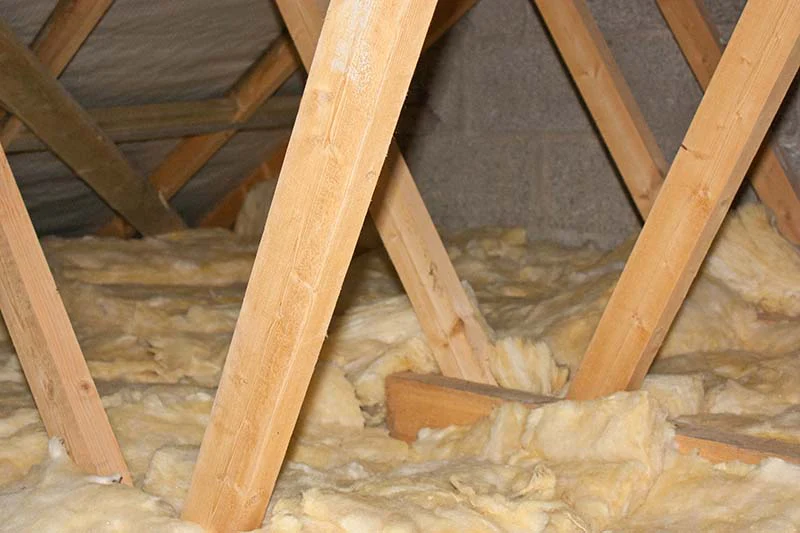
- Fiberglass Batts: Widely used for their affordability and ease of installation. Must be installed without gaps or compression to meet code.
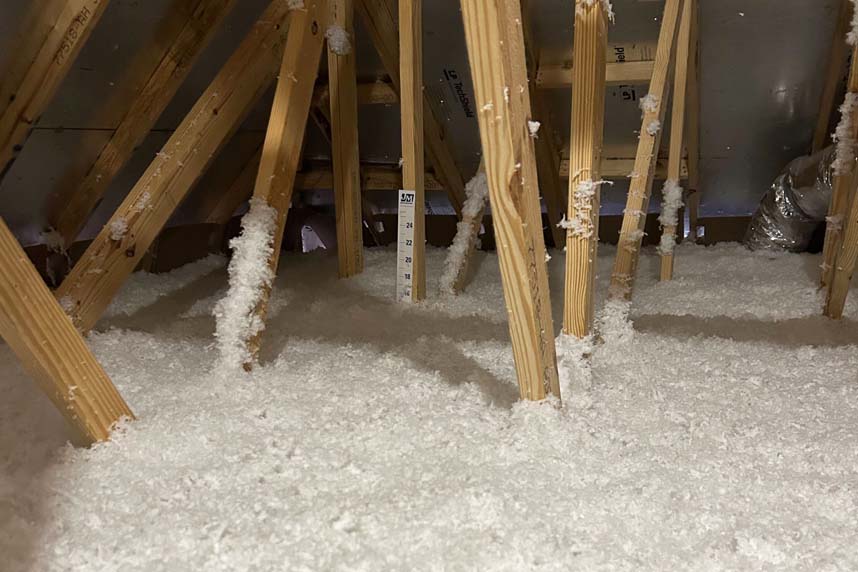
- Blown-In Cellulose: Offers good coverage and is often made from recycled materials. Proper depth and density are required for code compliance.
- Spray Foam: Provides high R-values and air sealing in one step. Closed-cell spray foam may also add structural strength.
- Rigid Foam Boards: Used for specific applications, such as attic hatches or knee walls, where higher R-values are needed in a thinner profile.
Each material must be installed according to manufacturer instructions and local codes, including clearances from heat sources and proper vapor barrier placement.
Installation Best Practices for Code Compliance
Even the best insulation won’t perform as intended if it’s not installed correctly. Here are some practical steps to ensure your attic project meets all regulatory standards:
- Seal Air Leaks: Before adding insulation, seal gaps around pipes, wiring, and attic access points to prevent air movement between living spaces and the attic.
- Install Baffles: Use baffles to maintain ventilation channels at the eaves and prevent insulation from blocking airflow.
- Maintain Proper Depth: Use rulers or depth markers to ensure insulation meets the required thickness for your climate zone.
- Protect Against Moisture: Install vapor barriers if required by code, especially in colder climates where condensation can be a problem.
- Keep Clearances: Maintain required distances between insulation and heat-producing elements to reduce fire risk.
Inspections and Documentation
After installation, most local authorities require an inspection to verify that the attic insulation meets all applicable codes. Inspectors will check R-values, material types, installation quality, and ventilation. It’s a good idea to keep product labels, receipts, and photos of the installation process as documentation.
If you’re planning additional upgrades, such as integrating solar panels, consider reviewing solar roofing market trends to understand how insulation and roofing technologies can work together for maximum efficiency.
Common Mistakes to Avoid
Even with the best intentions, homeowners and contractors sometimes overlook important details. Here are a few pitfalls to watch out for:
- Insufficient R-Value: Not meeting the minimum required R-value for your region can result in failed inspections and higher energy bills.
- Poor Air Sealing: Skipping air sealing allows heat and moisture to bypass insulation, reducing its effectiveness.
- Blocked Ventilation: Covering soffit vents with insulation can trap moisture and lead to mold or roof damage.
- Improper Vapor Barrier Placement: Placing vapor barriers on the wrong side of insulation can cause condensation and wood rot.
- Ignoring Fire Safety: Failing to maintain clearances from heat sources increases the risk of attic fires.
FAQ: Attic Insulation and Code Requirements
What is the minimum R-value required for attic insulation?
The minimum R-value depends on your climate zone and local codes. In colder areas, R-49 or higher is often required, while warmer regions may only need R-30. Always check with your local building department for the most current requirements.
Can I add new insulation over old insulation in my attic?
In most cases, yes. You can add new insulation over existing material as long as the old insulation is dry, not compressed, and free of mold. Make sure the combined R-value meets or exceeds code requirements and that you don’t block ventilation.
Do I need a vapor barrier with attic insulation?
Whether you need a vapor barrier depends on your climate and the type of insulation used. In colder climates, a vapor barrier is often installed on the warm side of the insulation to prevent moisture from entering the attic. Always follow local codes and manufacturer recommendations.
How does attic insulation relate to solar roofing upgrades?
Proper attic insulation can enhance the performance of solar roofing by maintaining consistent indoor temperatures and reducing energy demand. For more on this topic, see our guide to innovations in solar roofing.
Conclusion
Meeting attic insulation and building codes is essential for energy savings, comfort, and long-term home durability. By understanding the requirements for R-value, material selection, installation, and ventilation, you can ensure your attic project passes inspection and delivers lasting benefits. Always consult local building authorities and consider working with a qualified contractor to achieve the best results.