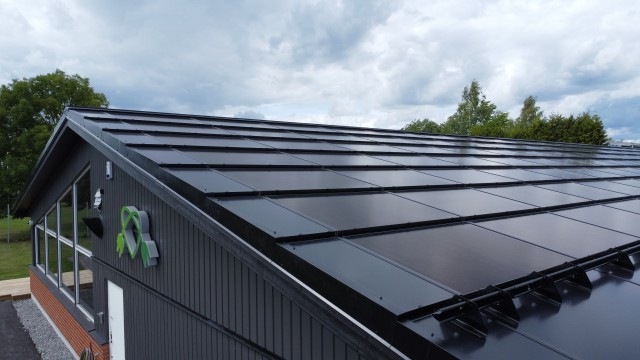
As more homeowners and businesses seek sustainable energy solutions, solar roofing in hot climates has become a leading choice. High temperatures and abundant sunlight offer both opportunities and challenges for solar installations. Understanding how these factors impact performance, durability, and long-term value is essential before making an investment.
This article explores the unique considerations for solar roofs in regions with intense heat. You’ll learn about material choices, efficiency factors, and maintenance tips to help you make informed decisions. For those interested in the evolving industry landscape, see the latest solar roofing market trends for additional insights.
How Heat Affects Solar Roof Performance
While strong sunlight is ideal for generating solar power, excessive heat can actually reduce the efficiency of photovoltaic cells. Most solar panels are tested at 25°C (77°F), but rooftop temperatures in hot regions can soar much higher. As the temperature rises, the voltage output of solar cells drops, leading to lower overall energy production.
The performance ratio of a solar system is a key metric to watch. In hot environments, expect a slight decrease in output compared to cooler climates. However, modern solar technologies are designed to minimize these losses. Choosing products with a low temperature coefficient—a measure of how much efficiency drops as temperature increases—can help maximize your return.
Best Materials and Designs for Hot Regions
Selecting the right materials is crucial for ensuring durability and sustained performance. Here are some features to look for when considering solar roofing solutions for high-temperature areas:
- High-Temperature Tolerance: Opt for panels and shingles specifically rated for extreme heat. Some advanced products are engineered to withstand temperatures above 85°C (185°F) without significant degradation.
- Reflective Coatings: Roofing materials with reflective surfaces can help reduce heat absorption, keeping both the roof and the solar modules cooler.
- Ventilated Mounting Systems: Installing panels with a gap between the roof and the modules allows air to circulate, helping dissipate heat and improve efficiency.
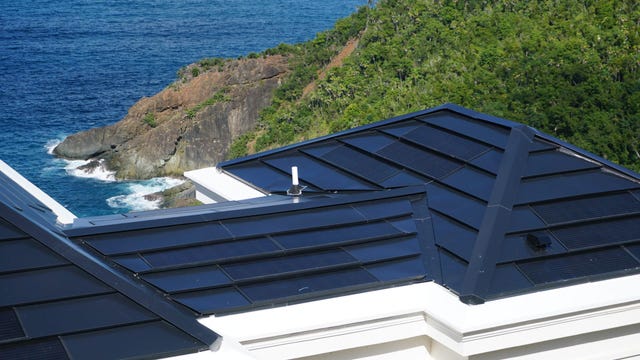
- Integrated Solar Shingles: For a seamless look, solar shingles are gaining popularity. These are designed to blend with traditional roofing while providing energy generation and heat resistance.
Installation Tips for Maximum Efficiency
Proper installation is essential for optimizing the performance of solar roofing in hot climates. Here are some practical recommendations:
- Orientation and Tilt: Position panels to capture the maximum amount of sunlight throughout the day. In the Northern Hemisphere, a south-facing orientation is typically best.
- Spacing: Leave enough space between the roof and the panels to allow air to flow underneath, which helps cool the system.
- Quality Inverters: Use high-efficiency inverters that can handle temperature fluctuations without significant losses.
- Professional Assessment: Have a certified installer evaluate your site conditions. For a detailed process, refer to this solar roofing site assessment guide.
Maintenance and Longevity in Extreme Heat
Keeping your solar roof in top shape is especially important in hot regions. Dust, pollen, and debris can accumulate quickly, reducing efficiency. Regular cleaning with a soft brush or specialized tool helps maintain optimal performance. Using a roof cleaning brush designed for solar panels can make this task easier and safer.
In addition to cleaning, inspect your system for signs of wear, such as cracked shingles or loose wiring. High temperatures can accelerate material aging, so schedule routine checkups with your installer. Most modern systems are built to last 25 years or more, but proactive care can extend their lifespan even further.
Comparing Solar Roof Types for Hot Weather
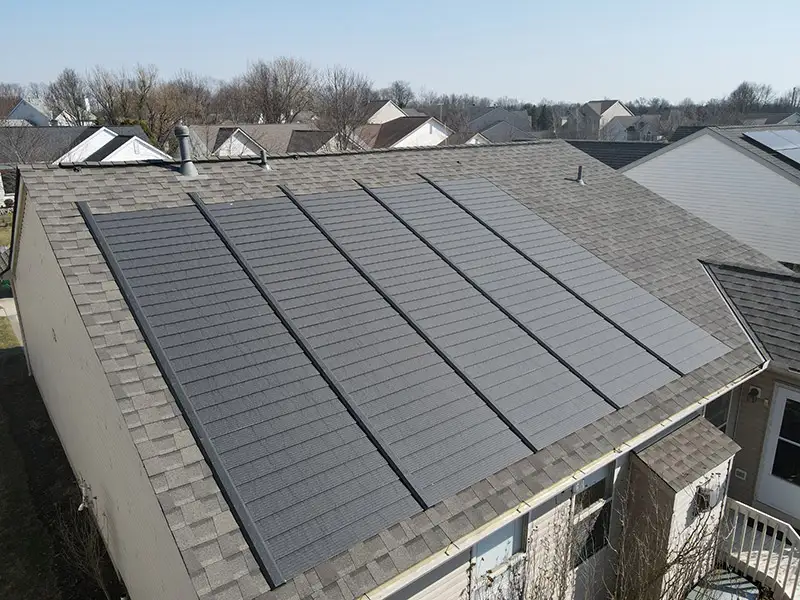
There are several types of solar roofing systems, each with its own strengths for hot environments. Traditional solar panels mounted on racks are widely used, but solar shingles and tiles are gaining traction for their integrated look and heat resistance.
For a detailed comparison of solar roof tiles and panels, see this comprehensive guide to solar roof tiles versus solar panels. Some key points to consider:
- Solar Panels: Generally offer higher efficiency and are easier to upgrade or replace. They can be installed with ventilated mounts to improve cooling.
- Solar Shingles/Tiles: Blend seamlessly with the roof and are designed for durability in harsh conditions. They may have slightly lower efficiency but offer aesthetic and integration benefits.
- Hybrid Systems: Combine the advantages of both panels and shingles, providing flexibility in design and performance.
Emerging Technologies and Trends
The solar industry is rapidly evolving to address the unique needs of hot climates. Innovations such as bifacial panels (which capture sunlight from both sides), advanced cooling systems, and new heat-resistant materials are making solar roofs more efficient and reliable than ever.
To stay updated on the latest advancements, explore resources on latest solar roofing technology and innovations in solar roofing. These developments are helping homeowners and businesses in warm regions get the most from their solar investments.
FAQs About Solar Roofing in Hot Weather
Does high heat reduce solar panel efficiency?
Yes, high temperatures can decrease the efficiency of solar panels. Most panels experience a slight drop in output as rooftop temperatures rise, but choosing products with a low temperature coefficient helps minimize this effect.
What maintenance is required for solar roofs in hot climates?
Regular cleaning to remove dust and debris is important, as buildup can block sunlight and reduce output. It’s also wise to inspect for heat-related wear, such as cracked shingles or loose wiring, and schedule periodic professional checkups.
Are solar shingles a good choice for hot regions?
Solar shingles are designed to withstand high temperatures and offer a sleek, integrated appearance. While they may have slightly lower efficiency than traditional panels, their durability and aesthetics make them a strong option for many homeowners in warm areas.
How do I choose the best solar roofing system for my location?
Consider your local climate, roof orientation, and available space. Consult with a certified installer and review site-specific recommendations. For a deeper dive, check out the solar roofing future trends to see what’s on the horizon for your region.