Enhancing the efficiency of your attic’s insulation can significantly impact your home’s energy consumption and comfort. Proper insulation not only helps in maintaining a consistent indoor temperature but also reduces energy bills by minimizing heat loss. This guide will explore various strategies to boost the effectiveness of attic insulation, ensuring your home stays warm in the winter and cool in the summer.
Before diving into the methods, it’s essential to understand the current state of your attic insulation. Conducting a thorough assessment can reveal areas that need improvement. For those interested in sustainable roofing options, exploring solar roofing market trends might provide additional insights into energy-efficient home improvements.
Assessing Your Current Insulation
To begin improving your attic insulation, first assess the existing insulation materials. Look for signs of wear and tear, such as moisture damage, mold, or compressed insulation. These issues can significantly reduce the insulation’s effectiveness. If you’re unsure about the condition, consider hiring a professional to conduct an inspection.
Choosing the Right Insulation Material
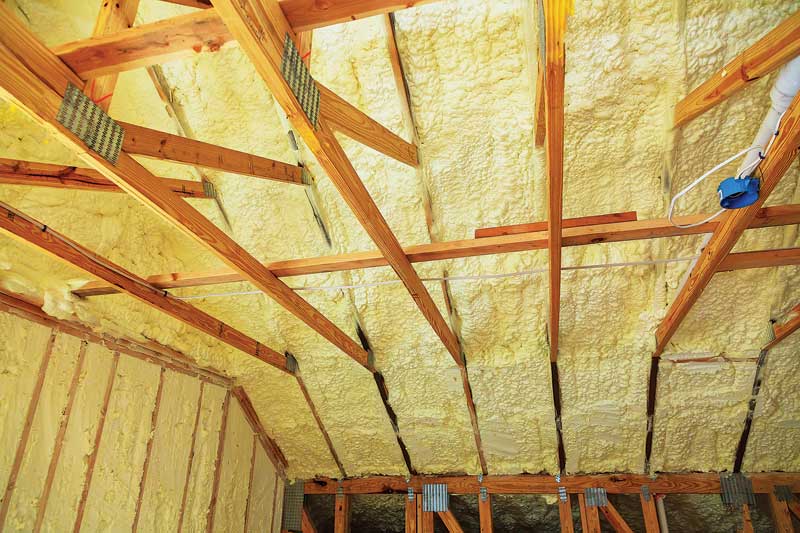
There are several types of insulation materials available, each with its own benefits. Common options include fiberglass, cellulose, and spray foam. Fiberglass is widely used due to its affordability and ease of installation. Cellulose, made from recycled paper, offers excellent thermal performance and is environmentally friendly. Spray foam provides superior air sealing and is ideal for hard-to-reach areas.

Sealing Air Leaks
One of the most effective ways to enhance insulation performance is by sealing air leaks. Gaps and cracks in the attic can allow air to escape, reducing the insulation’s efficiency. Use caulk or weatherstripping to seal these openings, focusing on areas around windows, doors, and vents. This step not only improves insulation but also contributes to better indoor air quality.
Adding Additional Insulation Layers
If your attic’s current insulation is insufficient, consider adding more layers. This can be done by laying new insulation over existing materials. Ensure that the new insulation does not compress the old layers, as this can reduce its effectiveness. The additional layers will help achieve the recommended R-value for your region, ensuring optimal thermal resistance.

Maintaining Your Insulation
Regular maintenance is crucial for sustaining the performance of your attic insulation. Periodically check for signs of damage or degradation, especially after severe weather events. Replace any damaged sections promptly to maintain the overall efficiency of the insulation system.
For those exploring further energy-efficient solutions, understanding the latest solar roofing technology can provide additional benefits in reducing energy consumption.
FAQs
What is the best type of insulation for attics?
The best type of insulation depends on your specific needs and budget. Fiberglass is cost-effective and easy to install, while cellulose offers excellent thermal performance and is eco-friendly. Spray foam provides superior air sealing but is more expensive.
How often should attic insulation be replaced?
Attic insulation typically lasts 20 to 30 years, but regular inspections are recommended. Replace insulation if you notice significant wear, moisture damage, or if it no longer meets the recommended R-value for your area.
Can I install attic insulation myself?
While some types of insulation, like fiberglass batts, can be installed by homeowners, others, such as spray foam, require professional installation. If you’re unsure, consulting with a professional can ensure proper installation and optimal performance.