Improving the thermal performance of your home starts with understanding how insulation impacts energy use. Calculating the effectiveness of roof insulation is essential for homeowners, builders, and energy consultants aiming to reduce heating and cooling costs. This article provides a practical guide to evaluating and optimizing the efficiency of attic and roof insulation, including the factors that influence calculations, the methods used, and the benefits of making informed choices.
As energy prices rise and sustainability becomes a priority, more people are seeking reliable ways to assess and improve their property’s insulation. Whether you are planning a renovation or simply want to lower your utility bills, learning about roof insulation energy efficiency calculations will help you make confident decisions. For those interested in integrating renewable solutions, exploring solar roofing market trends can also complement your energy-saving efforts.
Understanding the Basics of Roof Insulation Performance
The primary function of roof insulation is to slow down the transfer of heat between the inside and outside of a building. This is measured by the material’s thermal resistance, commonly known as the R-value. The higher the R-value, the better the insulation is at resisting heat flow. When performing energy efficiency calculations, it’s important to consider not just the insulation material, but also its thickness, installation quality, and the overall construction of the roof.
Roof insulation plays a crucial role in maintaining comfortable indoor temperatures year-round. In cold climates, it prevents heat from escaping during winter, while in hot climates, it keeps unwanted heat out during summer. By reducing the workload on heating and cooling systems, effective insulation directly contributes to lower energy consumption and utility costs.
Key Factors Affecting Energy Efficiency Calculations
Several variables influence how well your roof insulation performs and how you should approach efficiency calculations:
- Type of Insulation: Materials like fiberglass, cellulose, spray foam, and rigid foam boards each have different R-values per inch.
- Thickness: The total R-value increases with the thickness of the insulation layer.
- Installation Quality: Gaps, compression, or poor coverage can significantly reduce effectiveness.
- Roof Construction: The presence of air gaps, ventilation, or thermal bridges (such as rafters) can impact overall performance.
- Climate Zone: Local weather patterns determine the optimal R-value for your region.

Methods for Calculating Roof Insulation Efficiency
Calculating the energy efficiency of roof insulation involves determining the total R-value of the roof assembly and estimating the potential energy savings. Here’s a step-by-step overview:
1. Determine the R-Value of Each Layer
Most roofs consist of several layers, including insulation, sheathing, and roofing material. Each layer has its own R-value. To find the total, add the R-values of all layers:
Total R-value = R-value of insulation + R-value of roof deck + R-value of air films
2. Calculate Heat Loss or Gain
The rate of heat transfer through the roof can be calculated using the following formula:
Q = (A × ΔT) / R
- Q: Heat loss or gain (BTUs per hour)
- A: Area of the roof (square feet)
- ΔT: Temperature difference between inside and outside (°F)
- R: Total R-value of the roof assembly
This calculation helps estimate how much energy is needed to maintain indoor comfort, guiding decisions on whether additional insulation is beneficial.
3. Estimate Energy Savings
By comparing the calculated heat loss or gain before and after upgrading insulation, you can estimate potential energy savings. Many online calculators and energy modeling tools can assist with this process, but understanding the underlying math helps ensure accurate results.
Practical Example: Assessing Attic Insulation
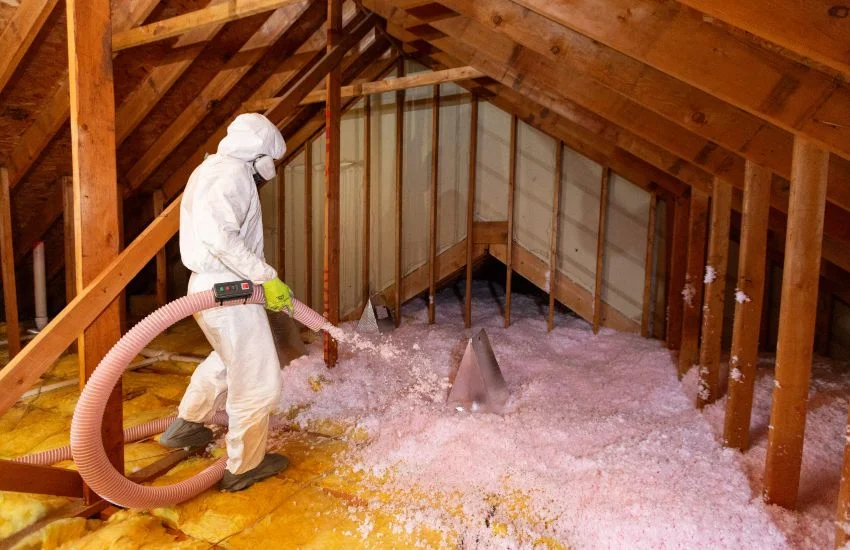
Let’s consider a practical scenario: a home with a 1,000-square-foot attic, insulated with fiberglass batts rated at R-30. The average winter temperature difference (ΔT) between inside and outside is 40°F.
- Area (A): 1,000 sq. ft.
- ΔT: 40°F
- R-value: 30
Plugging into the formula:
Q = (1,000 × 40) / 30 = 1,333 BTUs per hour
If you upgrade to R-49 insulation, the calculation becomes:
Q = (1,000 × 40) / 49 ≈ 816 BTUs per hour
This significant reduction in heat loss translates to lower energy bills and improved comfort.
Advanced Considerations in Efficiency Assessments
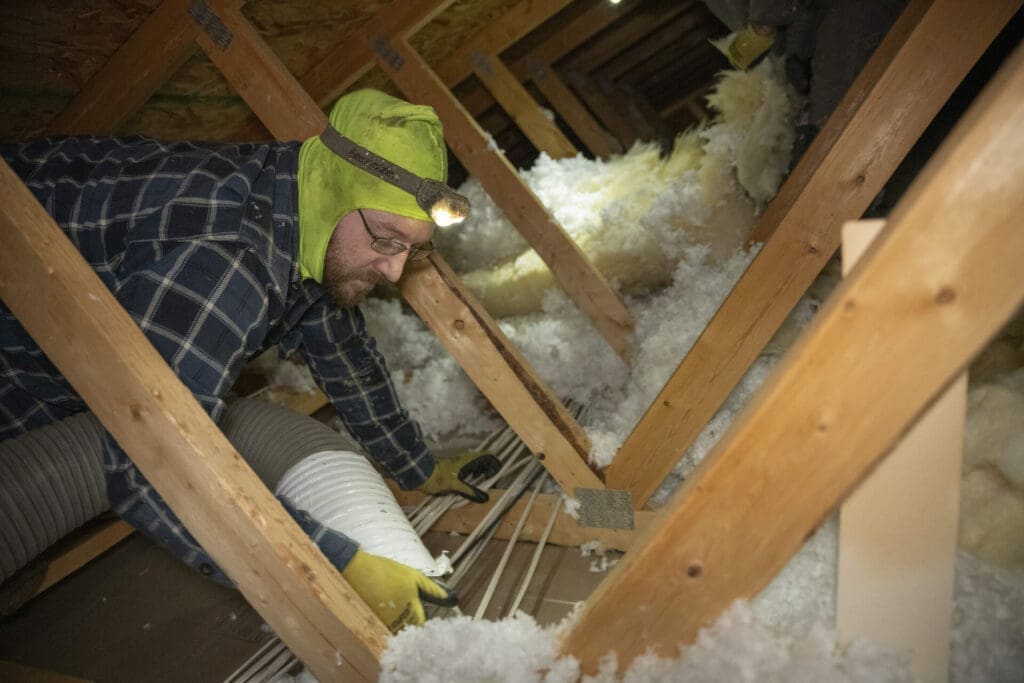
While basic calculations provide a solid starting point, several advanced factors can influence the actual performance of roof insulation:
- Thermal Bridging: Wooden or metal framing can conduct heat, reducing overall effectiveness.
- Air Leakage: Gaps around vents, chimneys, or light fixtures can allow conditioned air to escape.
- Moisture Control: Proper vapor barriers and ventilation are essential to prevent mold and maintain insulation performance.
- Integration with Renewable Energy: If you’re considering solar panels, understanding the combined impact on energy use is important. For more on this, see the latest developments in solar roofing technology.
Benefits of Accurate Roof Insulation Calculations
Taking the time to accurately assess your roof’s insulation efficiency offers several advantages:
- Lower Energy Bills: Reducing heat loss or gain means your HVAC system works less, saving money.
- Enhanced Comfort: Consistent indoor temperatures and fewer drafts improve living conditions.
- Environmental Impact: Lower energy consumption reduces your carbon footprint.
- Informed Upgrades: Knowing where your insulation stands helps you prioritize improvements for the best return on investment.
- Compliance: Many building codes require minimum R-values for new construction or renovations.
Frequently Asked Questions
What is the recommended R-value for roof insulation?
The ideal R-value depends on your climate zone. In colder regions, R-38 to R-60 is often recommended, while milder climates may require R-30 to R-38. Always check local building codes for specific requirements.
How can I tell if my attic insulation is sufficient?
Inspect the thickness and coverage of your insulation. If you can see the ceiling joists, you likely need more. You can also consult an energy auditor for a professional assessment using thermal imaging or blower door tests.
Does adding more insulation always improve energy efficiency?
While increasing insulation generally reduces heat transfer, there are diminishing returns beyond a certain point. It’s important to balance insulation upgrades with other improvements like air sealing and ventilation for the best results.
Can roof insulation be combined with solar roofing systems?
Yes, combining high-performance insulation with solar panels can maximize energy savings and sustainability. For more insights, explore the latest innovations in solar roofing and how they integrate with energy-efficient building practices.
Conclusion
Understanding and applying roof insulation energy efficiency calculations is a crucial step in creating a comfortable, cost-effective, and sustainable home. By considering material properties, installation quality, and climate factors, you can make informed decisions that benefit both your wallet and the environment. For those interested in future trends, keep an eye on emerging technologies and practices in the roofing industry, such as those highlighted in solar roofing future trends.