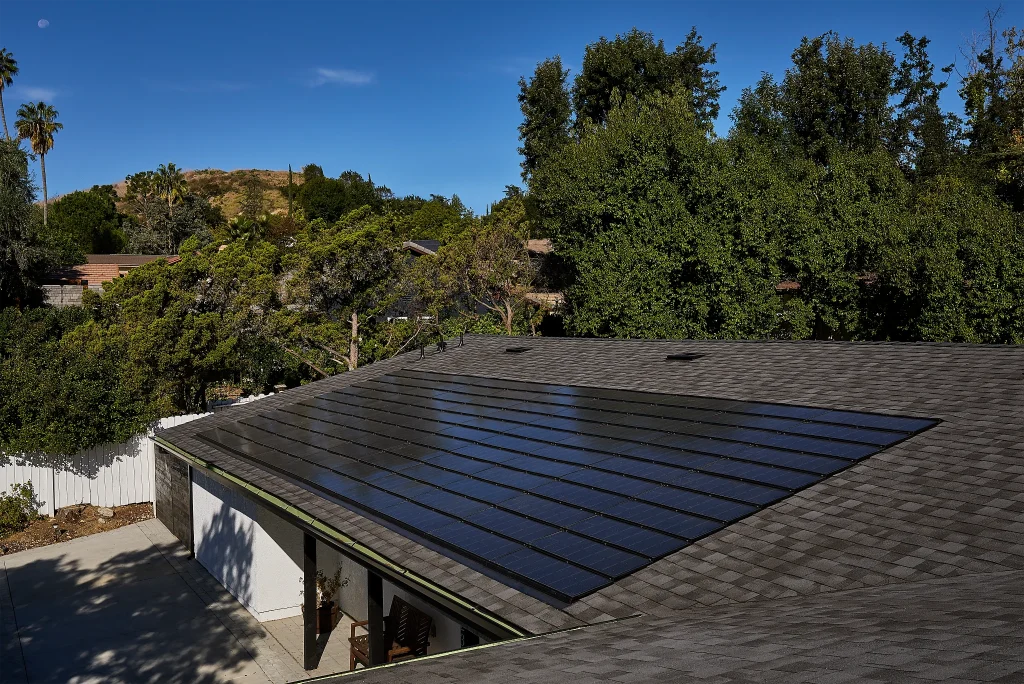
As more homeowners and businesses turn to renewable energy, solar roofing durability has become a top concern. People want to know if these innovative roofs can withstand the elements, maintain their performance over time, and truly offer a reliable return on investment. Understanding the factors that contribute to the longevity and resilience of solar-integrated roofs is essential for anyone considering this technology.
In this article, we’ll break down what makes solar roofs robust, how they compare to traditional options, and what you can do to maximize their lifespan. For those interested in the broader industry landscape, you can explore solar roofing market trends for additional insights into adoption rates and technological advancements.
What Contributes to the Strength of Solar Roofs?
The resilience of solar roofing systems depends on both the photovoltaic (PV) technology and the underlying roofing materials. Modern solar shingles and tiles are engineered to be as tough as conventional roofing products, often using tempered glass, high-grade polymers, and weather-resistant coatings. These components are tested for wind, hail, and fire resistance, ensuring they meet or exceed building codes.
Manufacturers typically design solar roofs to last for decades. Many offer warranties of 25 years or more on both energy production and physical durability. This means the system is expected to withstand harsh weather, UV exposure, and temperature fluctuations while continuing to generate electricity efficiently.
Key Factors Affecting Solar Roofing Durability
Several elements influence how well a solar-integrated roof stands the test of time. Here are some of the most important:
- Material Quality: High-grade tempered glass and advanced polymers protect the PV cells from impact and environmental damage.
- Installation Expertise: Proper installation is critical. Poor workmanship can lead to leaks, electrical issues, or premature wear.
- Roof Design: The slope, orientation, and ventilation of the roof all play roles in how well the system performs and endures.
- Climate and Weather: Areas with frequent hail, heavy snow, or extreme heat may see different wear patterns, but most modern systems are built to handle these challenges.
- Maintenance: Routine inspections and cleaning help prevent debris buildup, shading, and potential damage.
Comparing Solar Roofs to Traditional Roofing Materials
When evaluating solar roofing durability, it’s helpful to compare it to common roofing options like asphalt shingles, metal, and tile. Traditional asphalt shingles typically last 15–30 years, while metal and tile can reach 40–50 years with proper care. Solar shingles and tiles are designed to match or exceed these lifespans, with the added benefit of producing electricity.
Unlike rack-mounted solar panels, which sit above an existing roof, integrated solar roofs serve as both the weather barrier and the energy generator. This dual function means they must be exceptionally robust. Most systems undergo rigorous third-party testing for wind uplift, impact resistance, and waterproofing.

How Long Do Solar Roofs Really Last?
Most solar-integrated roofing products are rated for 25–30 years of power production, with many systems continuing to function well beyond that. The underlying roof structure, if installed correctly, can last even longer. Over time, energy output may decline slightly—typically less than 0.5% per year for high-quality systems.
Warranties often cover both the roof’s ability to keep out water and its energy generation. Some manufacturers even offer separate coverage for product defects, installation, and weather-related damage. This comprehensive approach helps ensure peace of mind for property owners.
Maintenance Tips for Maximizing Lifespan
While solar roofs are designed to be low-maintenance, a few simple steps can help preserve their performance and appearance:
- Inspect the roof annually for debris, leaves, or branches that could shade the panels or cause damage.
- Clean the surface with water and a soft brush as needed to remove dirt and pollen. Avoid harsh chemicals or abrasive tools.
- Check for signs of wear, such as cracked glass or loose tiles, especially after severe weather events.
- Have a professional evaluate the system every few years to ensure electrical connections and waterproofing remain intact.
For more details on site-specific considerations, see this solar roofing site assessment guide.
Advancements in Solar Roofing Technology
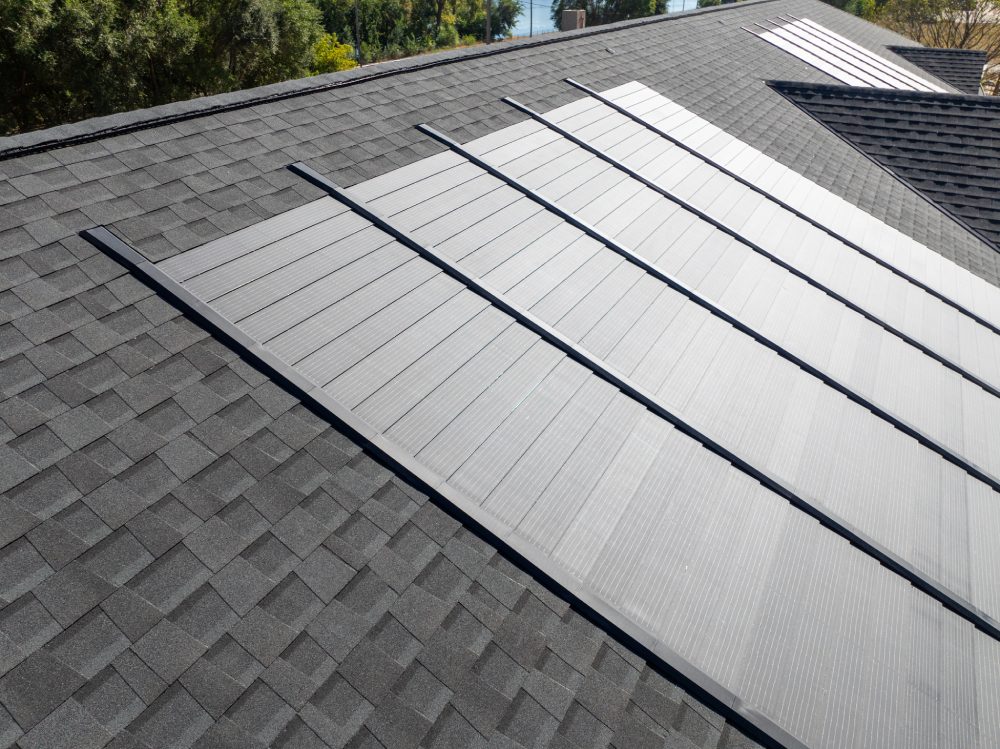
Recent innovations have further improved the resilience and efficiency of solar-integrated roofs. Newer products feature enhanced weatherproofing, better impact resistance, and more efficient PV cells. If you’re interested in the latest developments, check out this overview of latest solar roofing technology.
Some systems now use interlocking designs that provide extra protection against water intrusion and wind uplift. Others incorporate smart monitoring to alert owners to performance issues or maintenance needs. These advances help ensure that solar roofs remain a strong, reliable option for decades.
Environmental and Financial Benefits of Durable Solar Roofs
A robust solar roof not only protects your property but also delivers ongoing energy savings and environmental benefits. By generating clean electricity on-site, you reduce reliance on fossil fuels and lower your utility bills. The long service life of these systems means you can maximize your return on investment and minimize waste.
For a deeper dive into the advantages of solar-integrated tiles, see this detailed guide to the benefits of solar roof tiles.
Frequently Asked Questions
How does the durability of solar roofs compare to regular roofing?
Solar-integrated roofs are engineered to meet or exceed the standards of traditional roofing materials like asphalt, metal, or tile. They undergo rigorous testing for wind, hail, and fire resistance, and many come with warranties of 25 years or more. Their dual function as both a roof and a solar energy system means they must be especially robust.
What maintenance is required to keep a solar roof in good condition?
Maintenance is generally minimal. Annual inspections, occasional cleaning with water and a soft brush, and prompt attention to any visible damage are recommended. Professional evaluations every few years can help ensure electrical and waterproofing integrity.
Will severe weather affect the lifespan of a solar roof?
Most modern solar roofing systems are built to withstand severe weather, including hail, heavy snow, and high winds. However, extreme events can cause damage, so it’s important to inspect the roof after major storms and address any issues promptly.
Conclusion
The long-term strength and resilience of solar-integrated roofs make them a compelling choice for those seeking both energy savings and reliable protection. With advancements in materials and technology, these systems are built to last, offering decades of clean power and peace of mind. For more on industry developments and future outlooks, explore solar roofing future trends or learn about innovations in solar roofing shaping the next generation of sustainable roofing solutions.