Effective roof insulation ventilation strategies are essential for maintaining a comfortable, energy-efficient, and durable home. Properly managing airflow and insulation in your attic or roof space helps regulate temperature, prevent moisture buildup, and extend the life of your roofing materials. Homeowners and builders alike benefit from understanding the principles behind these methods, as well as the latest advancements and best practices.
Whether you are renovating an existing property or planning a new build, integrating the right ventilation and insulation approach can reduce energy costs, improve indoor air quality, and protect your investment. For those interested in how these concepts intersect with modern roofing technologies, exploring topics like solar roofing market trends can offer additional insights into the future of sustainable home design.

Why Ventilation and Insulation Matter for Roof Performance
The combination of insulation and ventilation in your roof system is critical for several reasons. Insulation acts as a barrier to heat flow, keeping your home warm in winter and cool in summer. Ventilation, on the other hand, allows for the continuous movement of air, which helps to remove excess heat and moisture from the attic space.
- Energy Efficiency: Proper insulation reduces heating and cooling demands, leading to lower utility bills.
- Moisture Control: Adequate ventilation prevents condensation, which can cause mold growth and wood rot.
- Roof Longevity: Balanced airflow helps maintain the integrity of roofing materials, reducing the risk of premature failure.
- Comfort: A well-insulated and ventilated roof creates a more stable indoor environment throughout the year.
Types of Roof Insulation and Their Impact on Airflow
Selecting the right insulation material is a key part of any roof insulation ventilation strategy. Each type of insulation interacts differently with airflow and moisture, so understanding these differences can help you make informed decisions.

Common Insulation Materials
- Fiberglass Batts: Widely used due to affordability and ease of installation. Allows for some airflow if not densely packed, but gaps can reduce effectiveness.
- Blown-In Cellulose: Offers good coverage and air-sealing properties, but can settle over time, potentially blocking ventilation paths if not installed correctly.
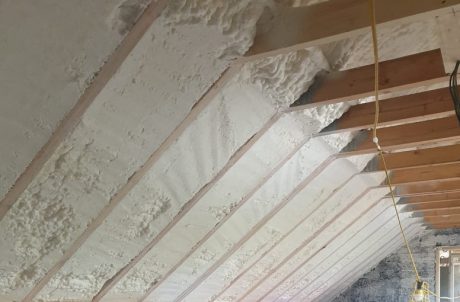
- Spray Foam: Provides excellent air sealing and insulation but requires careful planning to avoid restricting necessary ventilation.
- Rigid Foam Boards: Used in cathedral ceilings and exterior applications, offering high R-values and moisture resistance.
The choice of insulation should always be coordinated with your ventilation plan to ensure that airflow is not obstructed and that the attic remains dry and healthy.
Key Ventilation Methods for Attic and Roof Spaces
There are several methods to ventilate a roof, each with its own advantages. The most effective roof insulation ventilation strategies often combine multiple techniques to achieve balanced airflow.
Ridge and Soffit Vent System
This is one of the most popular and effective systems. Soffit vents allow cool air to enter at the eaves, while ridge vents at the peak let warm, moist air escape. This continuous flow helps regulate attic temperature and moisture.
Gable Vents
Installed on the exterior walls near the roof peak, gable vents allow cross-ventilation. They are often used in combination with other vent types for improved performance.
Roof Vents and Attic Fans
Box vents, turbine vents, and powered attic fans can help exhaust hot air from the attic. However, powered fans should be used with caution, as they can sometimes draw conditioned air from the living space if not properly sealed.
Integrating Insulation and Ventilation for Best Results
The most successful approaches to attic and roof performance involve a thoughtful combination of insulation and airflow management. Here are some best practices to ensure your system works efficiently:
- Maintain Clear Air Channels: Use baffles or rafter vents to keep insulation from blocking soffit vents, ensuring a continuous path for air movement from eaves to ridge.
- Seal Air Leaks: Before adding insulation, seal gaps around plumbing, wiring, and light fixtures to prevent conditioned air from escaping into the attic.
- Balance Intake and Exhaust: The amount of intake ventilation (soffits) should match exhaust (ridge or roof vents) to promote steady airflow.
- Consider Climate: In cold climates, ventilation helps prevent ice dams by keeping the roof cold. In hot climates, it reduces attic heat buildup and lowers cooling costs.
- Inspect Regularly: Periodic checks ensure vents remain unobstructed and insulation is performing as intended.
For those interested in how these methods align with modern roofing advancements, learning about latest solar roofing technology can provide additional context on integrating energy efficiency with ventilation and insulation.
Common Challenges and Solutions
Even with careful planning, homeowners may encounter issues related to attic airflow and insulation. Here are some frequent problems and how to address them:
- Blocked Vents: Insulation or debris can obstruct soffit or ridge vents. Regular cleaning and the use of baffles help maintain airflow.
- Moisture Accumulation: Signs include mold, mildew, or damp insulation. Improving ventilation and sealing air leaks can resolve most moisture issues.
- Uneven Temperatures: Hot or cold spots in the attic may indicate insufficient insulation or poor ventilation balance. Upgrading materials or adjusting vent placement can help.
- Ice Dams: In snowy climates, ice dams form when warm air escapes into the attic, melting snow on the roof. Enhancing insulation and ensuring proper airflow can prevent this.
FAQ: Roof Insulation and Ventilation
How do I know if my attic ventilation is adequate?
Signs of inadequate ventilation include excessive heat in the attic during summer, condensation or frost in winter, and visible mold or mildew. A professional inspection can help determine if your system needs improvement.
Can I add more insulation without affecting ventilation?
Yes, but it’s important to use baffles or rafter vents to keep air pathways open. Avoid packing insulation tightly against the roof deck or blocking soffit vents.
What is the best ventilation system for my roof?
The ideal system depends on your roof design, climate, and existing structure. Ridge and soffit vent combinations are effective for most homes, but consulting a roofing professional ensures the best fit for your needs.
Conclusion
Understanding and applying the right roof insulation ventilation strategies is crucial for energy savings, comfort, and roof durability. By combining appropriate insulation materials with well-designed airflow systems, you can protect your home from moisture, temperature extremes, and premature roof wear. Stay informed about innovations in roofing, such as innovations in solar roofing, to further enhance your home’s performance and sustainability.