Improving your home’s energy performance starts from the top down. The attic is often a major source of heat loss in winter and unwanted heat gain in summer. By following practical attic insulation energy efficiency tips, you can reduce utility bills, maintain consistent indoor temperatures, and extend the lifespan of your heating and cooling systems.
Many homeowners overlook the attic when considering ways to make their homes more efficient. However, investing in the right insulation strategies can deliver significant savings and comfort improvements. This article covers essential advice, from choosing the best materials to sealing air leaks, and highlights how attic upgrades can complement other modern roofing solutions. For those interested in integrating insulation with solar technologies, you may also want to explore solar roofing market trends for a broader perspective on sustainable home improvements.
Why Attic Insulation Matters for Home Efficiency
The attic acts as a buffer zone between your living space and the outdoors. Without adequate insulation, heat can escape during winter and penetrate during summer, making your HVAC system work harder. This not only increases energy consumption but also leads to uneven temperatures throughout your home.
Properly installed insulation slows down the transfer of heat, helping to keep your home warmer in winter and cooler in summer. The result is a more comfortable living environment and lower energy bills. In fact, according to the U.S. Department of Energy, homeowners can save up to 15% on heating and cooling costs by sealing air leaks and adding insulation in attics, floors, and crawl spaces.
Choosing the Right Insulation Material
There are several types of insulation suitable for attics, each with its own advantages. The most common options include:
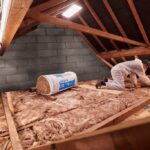
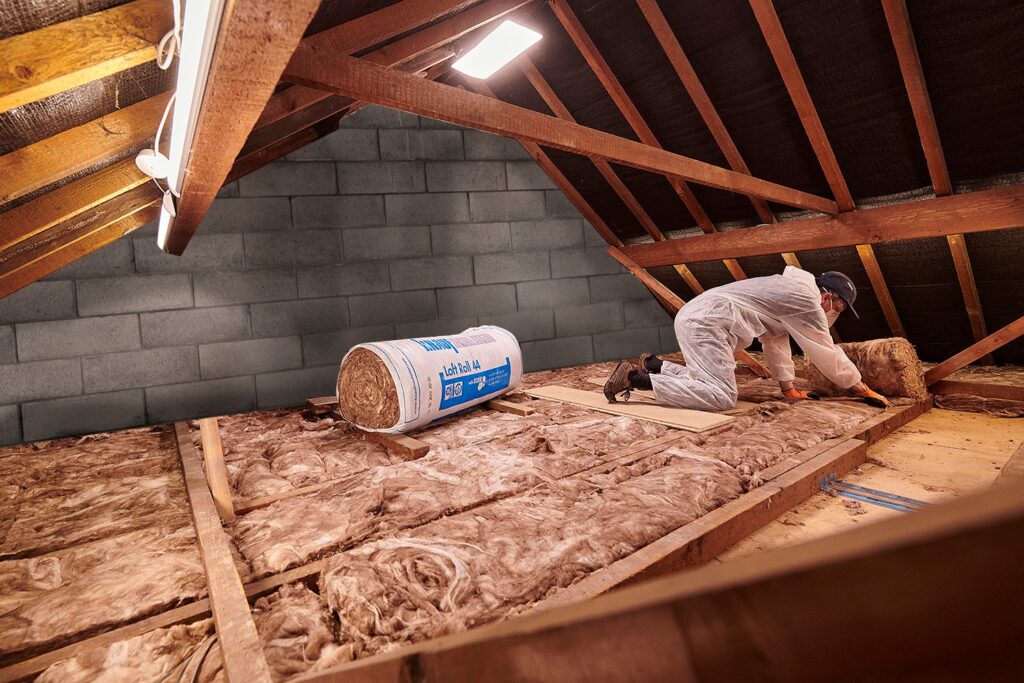
- Fiberglass batts and rolls: Widely available and cost-effective, these are easy to install but require careful placement to avoid gaps.
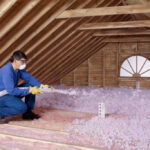
- Blown-in cellulose: Made from recycled paper, this material fills gaps and irregular spaces well, providing good coverage.
- Spray foam: Offers excellent air sealing and high R-values, but is more expensive and typically requires professional installation.
- Rigid foam boards: Useful for specific applications, such as attic hatches or knee walls, where a solid barrier is needed.
When selecting insulation, consider your climate, attic design, and budget. The R-value (a measure of thermal resistance) is a key factor—higher R-values provide better insulation. For most homes, an attic R-value between R-38 and R-60 is recommended.
Sealing Air Leaks: An Overlooked Step
Before adding or upgrading insulation, it’s crucial to address air leaks. Even the best insulation can’t perform effectively if air is escaping through gaps, cracks, or unsealed penetrations. Common trouble spots include:
- Gaps around plumbing vents, electrical wiring, and light fixtures
- Spaces where the attic floor meets exterior walls
- Attic access doors or hatches
Use caulk or expanding foam to seal small gaps and weatherstripping for attic doors. By combining air sealing with insulation, you create a more effective barrier against energy loss.
Optimizing Ventilation for Maximum Performance
While insulation is essential, proper attic ventilation is equally important. Good airflow prevents moisture buildup, which can lead to mold, rot, and reduced insulation effectiveness. Key ventilation components include:
- Soffit vents: Allow fresh air to enter the attic at the eaves
- Ridge or gable vents: Let warm, moist air escape at the roof’s peak
Ensure that insulation does not block soffit vents. Baffles or vent chutes can help maintain airflow while keeping insulation in place. A balanced ventilation system supports both energy efficiency and attic health.

DIY vs. Professional Installation
Many homeowners can install fiberglass batts or blown-in cellulose themselves with the right safety equipment and preparation. However, certain situations call for professional help, such as:
- Installing spray foam insulation
- Addressing complex attic layouts or hard-to-reach areas
- Dealing with existing moisture or mold issues
Professionals can also perform a comprehensive energy audit to identify all sources of heat loss and recommend the most effective solutions. If you’re considering integrating insulation upgrades with advanced roofing technologies, such as solar panels, consulting with an expert ensures compatibility and long-term performance. For more on the intersection of insulation and solar, see the latest developments in solar roofing technology.
Maintaining and Inspecting Attic Insulation
Insulation is not a set-it-and-forget-it upgrade. Over time, it can settle, become compressed, or be damaged by moisture or pests. Regular inspections—at least once a year—help ensure your attic remains well-protected. Look for:
- Areas where insulation has thinned or shifted
- Signs of water intrusion or mold growth
- Evidence of rodents or insects
Promptly address any issues to maintain optimal energy performance. Adding insulation over existing layers is usually fine, as long as the original material is dry and in good condition.
Integrating Insulation with Other Energy-Saving Upgrades
Attic insulation works best as part of a comprehensive approach to home efficiency. Consider pairing insulation improvements with:
- Upgraded windows and doors
- Efficient HVAC systems
- Smart thermostats
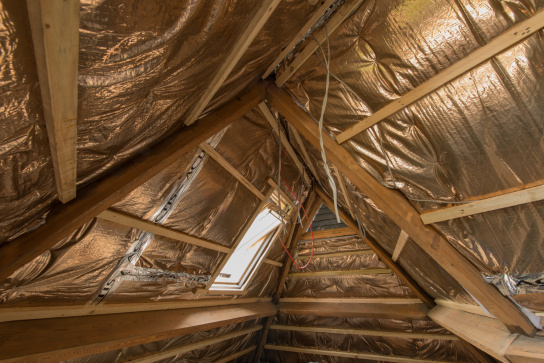
- Reflective roofing or solar panels
For homeowners interested in renewable energy, combining attic upgrades with solar roofing can maximize both comfort and savings. Explore more about innovations in solar roofing to see how these technologies can work together.
Common Mistakes to Avoid
Even well-intentioned insulation projects can fall short if common pitfalls are not avoided. Watch out for:
- Leaving air leaks unsealed before adding insulation
- Blocking attic ventilation with insulation
- Using the wrong R-value for your climate zone
- Compressing insulation, which reduces its effectiveness
- Ignoring attic access points, which can be major sources of heat loss
Taking the time to plan and execute your project carefully ensures you get the full benefits of your investment.
FAQ: Attic Insulation and Home Energy Savings
How do I know if my attic needs more insulation?
Signs include uneven temperatures in your home, high energy bills, or visible floor joists in the attic. Measuring the depth of existing insulation and comparing it to recommended R-values for your region can help determine if an upgrade is needed.
Can I add new insulation over old insulation?
Yes, as long as the existing material is dry and free from mold or pests. Adding a new layer can boost your attic’s thermal resistance. Avoid compressing the old insulation, as this reduces its effectiveness.
What is the best insulation for attics in cold climates?
In colder regions, materials with higher R-values, such as blown-in cellulose or spray foam, are often recommended. The choice depends on your attic’s structure and your budget. Always ensure air leaks are sealed before installing new insulation for best results.