As more homeowners look for sustainable ways to power their homes, interest in solar roofing has surged. Understanding the solar roofing cost explained is essential for anyone considering this investment. The price of solar roofs can vary widely, depending on materials, installation complexity, and local incentives. This article provides a clear breakdown of what influences pricing, what you can expect to pay, and how to make the most of your investment.
For those interested in the latest developments and trends shaping this industry, exploring solar roofing market trends can provide valuable context before diving into the details of costs and benefits.
Key Factors That Influence Solar Roof Pricing
The total expense of installing a solar roof is shaped by several variables. Here are the most important factors that determine the final bill:
- Roof Size and Complexity: Larger or more complex roofs require more materials and labor, increasing the overall price.
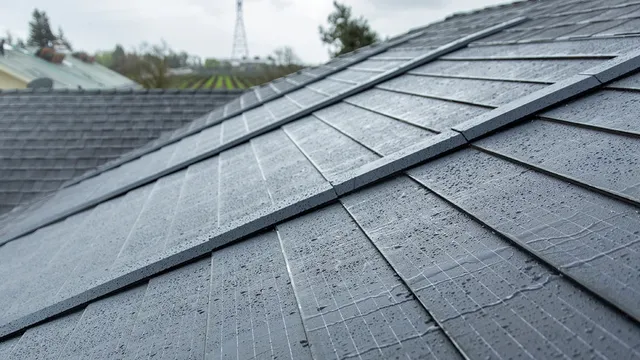
- Type of Solar Roofing Material: There are differences between solar shingles, solar tiles, and integrated solar panels. Each comes with its own price point and installation requirements.
- Local Labor Costs: Installation rates vary by region, with urban areas often commanding higher prices than rural locations.
- Permitting and Inspection Fees: Local regulations may require permits and inspections, adding to the upfront cost.
- Incentives and Rebates: Federal, state, and local incentives can significantly reduce the net price you pay.
Average Price Ranges for Solar Roofing
To give you a clearer idea, here’s a breakdown of typical price ranges for different types of solar roofs:
| Solar Roofing Type | Estimated Cost per Square Foot | Total Installed Cost (2,000 sq ft roof) |
|---|---|---|
| Solar Shingles | $20 – $30 | $40,000 – $60,000 |
| Integrated Solar Tiles | $25 – $35 | $50,000 – $70,000 |
| Traditional Solar Panels (on roof) | $7 – $12 | $14,000 – $24,000 |
These numbers are averages and can shift based on your location, roof design, and the specific products you choose. For a deeper dive into the technology behind these options, see the latest solar roofing technology overview.
Breaking Down the Solar Roofing Cost Explained by Component
When evaluating the total investment, it’s helpful to understand what you’re actually paying for. Here’s how the costs typically break down:
- Materials: This includes the solar shingles, tiles, or panels, as well as underlayment and mounting hardware.
- Labor: Professional installation is a significant portion of the total, especially for integrated systems that require roofing expertise.
- Electrical Work: Connecting the solar system to your home’s electrical system and the grid involves specialized labor and equipment.
- Permits and Inspections: Municipalities often require permits and inspections, which come with their own fees.
- Warranty and Maintenance: Some products include extended warranties or maintenance plans, which may be factored into the price.
How Incentives and Rebates Affect Your Investment
One of the most important aspects of understanding solar roof pricing is factoring in available incentives. The federal solar tax credit, for example, allows you to deduct a percentage of your installation costs from your taxes. Many states and municipalities offer additional rebates or property tax exemptions. These incentives can reduce your net cost by thousands of dollars.
It’s wise to research what’s available in your area before making a decision. Some utility companies also offer performance-based incentives or net metering, which can further improve your return on investment.
Comparing Solar Roofing to Traditional Roofing and Solar Panels
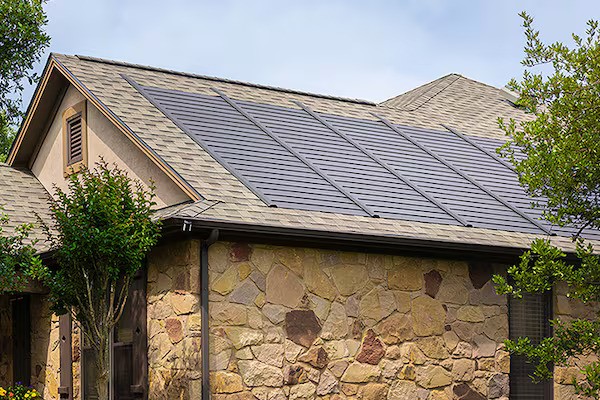
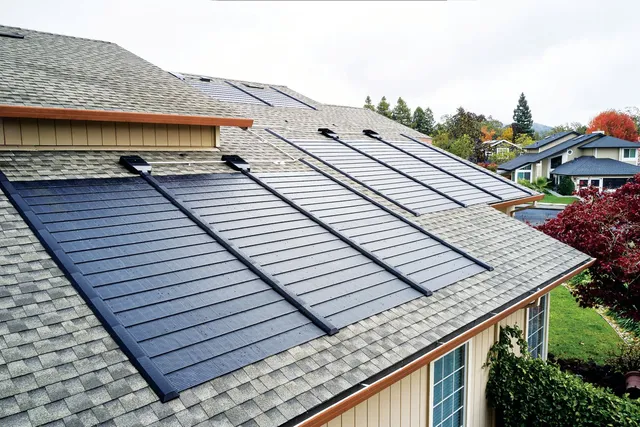
While the upfront price of solar-integrated roofs is higher than traditional roofing or standard solar panels, the long-term value can be significant. You’re not only getting a new roof but also generating your own electricity, which can lower your utility bills for decades.
For many, the appeal of a seamless, integrated look and the potential for increased home value outweigh the higher initial expense. If you’re interested in how these systems are evolving, check out the latest innovations in solar roofing for more context.
Pros and Cons of Investing in a Solar Roof
Before making a commitment, it’s important to weigh the advantages and disadvantages of solar roofing. For a comprehensive overview, you can review this guide to the pros and cons of solar shingles.
- Advantages:
- Reduces or eliminates electricity bills
- Increases property value
- Offers a sleek, integrated appearance
- May qualify for substantial tax credits and rebates
- Disadvantages:
- Higher upfront cost compared to traditional roofing
- Longer payback period in some regions
- Not suitable for all roof types or orientations
How to Estimate Your Own Solar Roof Investment
Calculating your expected outlay starts with measuring your roof and researching local installation rates. Online calculators can provide a ballpark figure, but a professional site assessment is the best way to get an accurate quote. For tips on preparing for this process, see the solar roofing site assessment guide.
Be sure to ask potential installers for itemized quotes and details on warranties, maintenance, and post-installation support. Comparing multiple bids can help you find the best value for your needs.
Frequently Asked Questions
How long does it take to recoup the investment in a solar roof?
The payback period for a solar roof typically ranges from 10 to 20 years, depending on your local electricity rates, available incentives, and how much energy your system produces. Factoring in rising energy costs and potential increases in home value can shorten this timeline.
Are there maintenance costs associated with solar roofing?
Maintenance for solar roofs is generally minimal. Occasional cleaning and periodic inspections are recommended to ensure optimal performance. Some manufacturers offer maintenance packages or extended warranties that can cover repairs and upkeep.
Can I install a solar roof on any type of home?
Most modern homes with sufficient roof space and good sun exposure are suitable for solar roofing. However, homes with complex rooflines, heavy shading, or structural issues may require additional evaluation or modifications before installation.
Conclusion: Making an Informed Solar Roofing Decision
Deciding to invest in solar roofing is a significant step toward energy independence and sustainability. By understanding the factors that influence pricing, available incentives, and the long-term benefits, you can make a choice that aligns with your goals and budget. For those interested in what’s next in the industry, exploring solar roofing future trends can help you stay ahead of the curve.
Whether you’re motivated by environmental concerns, energy savings, or the desire for a modern home upgrade, being well-informed about all aspects of the cost will help you get the most value from your solar investment.