As solar technology becomes more integrated into modern homes, understanding the maintenance of solar roofing systems is essential for homeowners looking to maximize both energy production and roof lifespan. While solar roofs are designed for durability and minimal upkeep, regular care ensures optimal performance and protects your investment. This article provides a practical overview of how to keep your solar roof in top condition, what tasks are involved, and how to spot potential issues before they become costly problems.
Whether you have recently installed solar shingles or are considering an upgrade, knowing the basics of upkeep can help you avoid unnecessary repairs and maintain efficiency. For those interested in the broader industry landscape, you may also want to explore solar roofing market trends to understand how innovations are shaping the future of these systems.
Why Routine Care Matters for Solar Roofs
Like any major home system, regular attention to your solar roof helps prevent minor issues from escalating. Dirt, debris, and weather can all impact the efficiency of solar panels or shingles. By prioritizing the maintenance of solar roofing systems, you not only ensure consistent energy output but also extend the life of both the roofing material and the solar technology itself.
Solar roofs are engineered to withstand harsh elements, but neglect can lead to reduced performance or even damage. For example, accumulated leaves or bird droppings can block sunlight, while unchecked water pooling may cause leaks. Addressing these concerns early keeps your system running smoothly and safeguards your home.
Key Steps in Maintaining Solar Roof Installations
Proper upkeep involves a few straightforward but important tasks. Here’s what every homeowner should know:
- Visual Inspections: Check your solar roof regularly for visible signs of debris, damage, or shading from nearby trees. Inspections are best done from the ground or with binoculars for safety.
- Cleaning Panels or Shingles: Dust, pollen, and organic matter can build up over time. Cleaning with a soft brush or a hose (never high-pressure washers) helps maintain peak efficiency. For stubborn grime, consider using a specialized roof cleaning brush.
- Monitoring System Performance: Most modern solar systems include monitoring tools or apps. Keep an eye on energy output and investigate any sudden drops, which may signal a maintenance issue.
- Checking Roof Integrity: Inspect flashing, seals, and the underlying roof structure for wear, especially after storms. Promptly address any cracked or missing tiles to prevent water intrusion.
- Professional Inspections: Schedule a professional check-up every 1–2 years. Experts can safely access the roof, test electrical connections, and ensure the system meets warranty requirements.
Common Issues and How to Address Them
Even with regular care, some challenges are unique to solar-integrated roofs. Here are a few problems homeowners may encounter and practical solutions:
- Shading and Debris: Overhanging branches or nearby construction can cast shadows, reducing output. Trim trees annually and clear off leaves or snow as needed.
- Panel or Shingle Damage: Hail, wind, or falling objects may crack or dislodge solar components. If you notice broken tiles or exposed wiring, contact a certified technician for repairs.
- Water Leaks: Improper installation or degraded flashing can lead to leaks. Regularly check your attic for moisture after heavy rain and address any issues promptly.
- Electrical Faults: If your monitoring system reports faults or you see warning lights on your inverter, schedule a professional inspection to diagnose and fix the problem safely.
For a deeper dive into the technology behind these systems, consider reading about latest solar roofing technology and how it impacts maintenance needs.
Seasonal and Annual Maintenance Checklist
Creating a maintenance calendar can help you stay on top of essential tasks. Here’s a sample checklist to guide your efforts:
- Spring: Remove winter debris, inspect for storm damage, and check for new shading from plant growth.
- Summer: Monitor for dust buildup, especially in dry climates. Clean panels as needed to maximize sunlight absorption.
- Fall: Clear fallen leaves, check for blocked gutters, and prepare for winter weather.
- Winter: Remove snow if safe to do so, and monitor for ice dams or water pooling.
- Annually: Schedule a professional inspection to test electrical connections and assess roof integrity.
Professional Services and When to Call an Expert
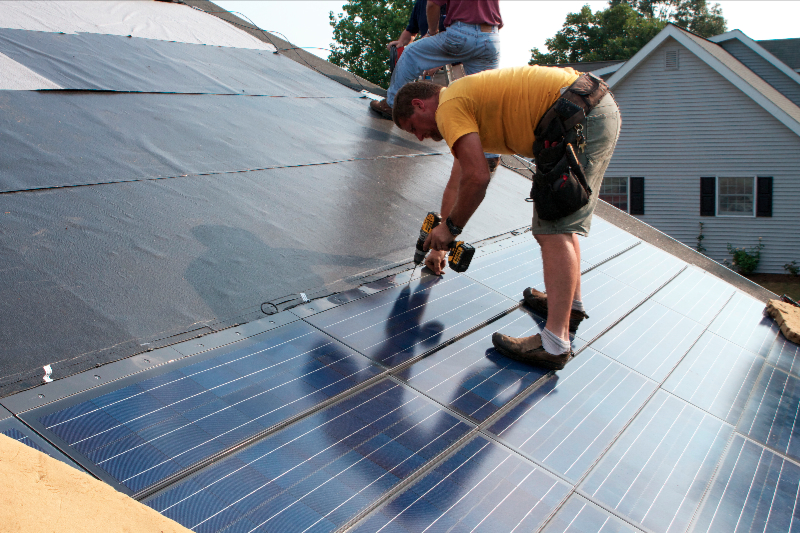
While many tasks can be handled by homeowners, some aspects of solar roof system maintenance require specialized knowledge. Electrical troubleshooting, replacing damaged shingles, and addressing leaks should be left to certified professionals. Not only does this ensure safety, but it also helps maintain your warranty coverage.
If you’re unsure about the condition of your installation, or if you notice persistent issues, don’t hesitate to seek expert help. For more information on how site conditions affect upkeep, visit the solar roofing site assessment guide.
Tips for Maximizing Solar Roof Longevity
To get the most from your investment, consider these best practices:
- Keep a log of maintenance activities and inspections for warranty and resale purposes.
- Stay informed about new products and techniques by following updates on innovations in solar roofing.
- Consider enrolling in a maintenance plan with your installer for scheduled check-ups and priority service.
- Review your system’s warranty terms to understand coverage and required upkeep.
- Stay updated on industry developments through resources such as comprehensive guides on solar tiles.
Frequently Asked Questions
How often should I clean my solar roof?
Most solar roofs require cleaning once or twice a year, depending on your local environment. Areas with heavy pollen, dust, or bird activity may need more frequent attention. Always use gentle methods and avoid harsh chemicals or high-pressure water.
Will maintenance void my solar roof warranty?
Routine care performed according to manufacturer guidelines will not void your warranty. However, unauthorized repairs or using improper cleaning tools can affect coverage. Always consult your installer or warranty documentation before attempting major work.
Can I perform all maintenance tasks myself?
Homeowners can handle basic inspections and cleaning, but electrical repairs, replacing damaged shingles, or addressing leaks should be left to professionals. Safety is paramount, and expert service ensures your system remains in top condition.
What are signs that my solar roof needs professional attention?
Warning signs include sudden drops in energy output, visible damage to panels or shingles, water leaks, or error messages from your monitoring system. If you notice any of these issues, schedule a professional inspection promptly.
Conclusion
Staying proactive with the maintenance of solar roofing systems ensures reliable energy production, protects your home, and extends the lifespan of your investment. By following the practical steps outlined here and seeking professional help when needed, you can enjoy the benefits of clean, renewable energy for years to come.