As temperatures drop, ensuring your attic is properly insulated becomes essential for maintaining a comfortable and energy-efficient home. Effective attic insulation winter preparation helps prevent heat loss, reduces energy bills, and protects your property from potential cold-weather damage. Whether you’re planning to upgrade your insulation or simply want to check your current setup, taking the right steps before winter arrives can make a significant difference.
Homeowners interested in maximizing their energy savings and comfort should also consider how improvements in attic insulation can complement other modern roofing solutions. For example, exploring solar roofing market trends can provide insights into integrating energy efficiency throughout your home.
Why Proper Attic Insulation Matters in Cold Weather
When winter arrives, attics are a primary source of heat loss in many homes. Without adequate insulation, warm air escapes through the roof, forcing your heating system to work harder and increasing utility costs. Proper attic insulation winter preparation not only keeps your living spaces warmer but also helps prevent issues like ice dams, condensation, and moisture buildup that can lead to structural damage or mold growth.
Investing time in preparing your attic insulation before the cold sets in ensures your home remains comfortable and energy-efficient throughout the season.
Assessing Your Current Attic Insulation
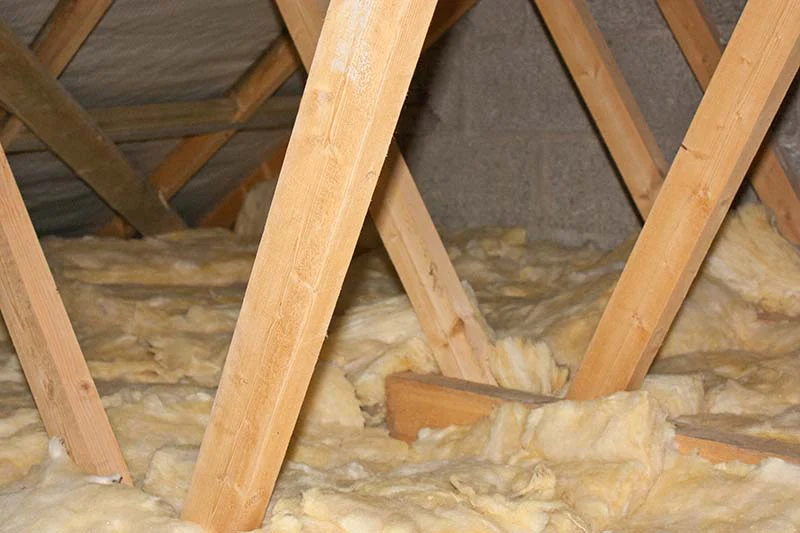
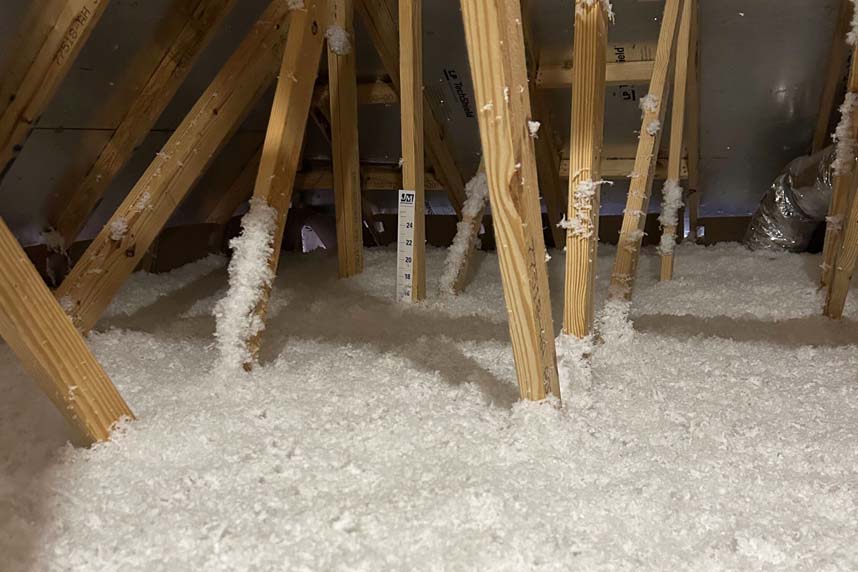
Before making any upgrades, it’s important to evaluate the condition and effectiveness of your existing insulation. Start by checking the depth and type of material used. In most climates, the recommended insulation level for attics is R-38 to R-60, which typically equates to 10–20 inches of loose fill or batt insulation.
- Inspect for Gaps and Thin Spots: Look for areas where insulation is missing or compressed, especially near eaves, corners, and around vents.
- Check for Moisture or Mold: Damp insulation loses effectiveness and can indicate roof leaks or poor ventilation.
- Look for Signs of Pests: Rodents and insects can disturb insulation, creating gaps and reducing its performance.
Choosing the Right Insulation Materials
Selecting the best insulation for your attic depends on your climate, budget, and the structure of your home. The most common types include:
- Fiberglass Batts: Easy to install and widely available, suitable for standard joist spacing.
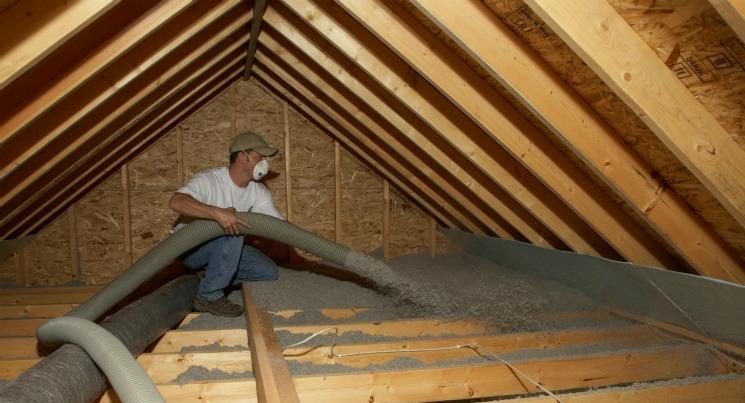
- Blown-In Cellulose: Ideal for filling irregular spaces and adding insulation over existing layers.
- Spray Foam: Provides excellent air sealing and high R-values but is more expensive and often requires professional installation.
- Rigid Foam Boards: Useful for targeted areas or as an additional layer over existing insulation.
Each material has its pros and cons. For example, blown-in cellulose is effective for older homes with uneven joist spacing, while spray foam offers superior air sealing but at a higher cost.
Steps for Effective Attic Insulation Winter Preparation
Preparing your attic for winter involves more than just adding new insulation. Follow these steps to ensure optimal performance:
- Seal Air Leaks: Use caulk or expanding foam to seal gaps around pipes, vents, chimneys, and light fixtures. Preventing air leaks is crucial for maximizing insulation effectiveness.
- Install or Upgrade Insulation: Add insulation to meet or exceed recommended R-values. Ensure even coverage, especially in hard-to-reach areas.
- Protect Attic Access Points: Insulate and weatherstrip attic hatches or pull-down stairs to prevent heat loss through these often-overlooked areas.
- Maintain Proper Ventilation: Ensure soffit and ridge vents are clear to prevent moisture buildup and ice dams.
- Address Moisture Issues: Repair any roof leaks and ensure bathroom or kitchen vents exhaust outside, not into the attic.
Common Mistakes to Avoid When Preparing Attic Insulation
Even with the best intentions, some homeowners make errors that can undermine their efforts. Avoid these common pitfalls:
- Blocking Ventilation: Covering soffit vents with insulation can trap moisture and cause mold or ice dams.
- Ignoring Air Leaks: Adding insulation without sealing leaks allows warm air to escape, reducing efficiency.
- Compressing Insulation: Overpacking insulation reduces its R-value and effectiveness.
- Neglecting Safety: Always wear protective gear and be cautious of electrical wiring and recessed lighting fixtures.
Integrating Attic Insulation with Modern Roofing Solutions
As energy efficiency becomes a greater priority, many homeowners are looking to combine attic upgrades with other advanced roofing technologies. For instance, those interested in renewable energy can benefit from learning about latest solar roofing technology and how it can work alongside improved insulation to further reduce energy costs.
Innovations like solar-integrated roofing and smart ventilation systems are transforming the way homes retain heat and manage airflow. By staying informed about innovations in solar roofing, you can make strategic decisions that enhance both comfort and sustainability.
Maintenance Tips for Long-Term Attic Insulation Performance
Once your attic is properly insulated, ongoing maintenance ensures continued effectiveness:
- Inspect Annually: Check for signs of settling, moisture, or pest activity each year.
- Monitor Ventilation: Keep vents clear of debris and insulation.
- Address Issues Promptly: Repair any damage or leaks as soon as they’re detected.
- Upgrade When Needed: As building codes and energy standards evolve, consider periodic upgrades to maintain optimal performance.
Frequently Asked Questions
How much insulation do I need in my attic for winter?
The recommended insulation level for most attics is between R-38 and R-60, depending on your climate. This typically means 10–20 inches of insulation. Check local building codes for specific requirements in your area.
Can I add new insulation over old insulation?
Yes, you can usually add new insulation over existing material as long as the old insulation is dry and in good condition. Avoid compressing the old layer and ensure there are no underlying moisture or pest issues before adding more.
What are signs that my attic insulation needs to be replaced?
Common indicators include uneven temperatures in your home, rising energy bills, visible gaps or thin spots in the insulation, signs of moisture or mold, and evidence of pest activity. If you notice any of these, it may be time to upgrade your attic insulation.
Is it necessary to insulate attic access points?
Absolutely. Attic hatches, doors, and pull-down stairs are common sources of heat loss. Insulating and weatherstripping these areas is an important part of comprehensive attic insulation winter preparation.
How does attic insulation work with solar roofing?
Proper attic insulation helps maintain indoor temperatures, reducing the load on heating and cooling systems. When combined with solar roofing, this can maximize energy savings and improve the overall efficiency of your home’s energy systems. For more on this, explore solar roofing future trends.