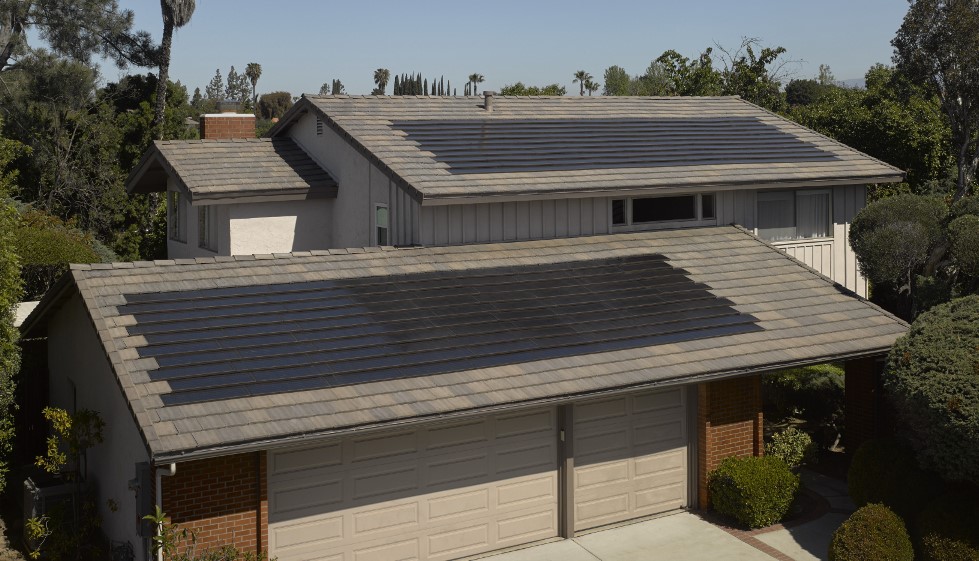
Switching to solar roofing is a significant step toward energy independence and sustainability. For homeowners new to this technology, understanding the basics and making informed decisions can feel overwhelming. This solar roofing buying guide is designed to clarify the process, highlight key considerations, and help you choose the right solar solution for your home.
Solar roofing integrates photovoltaic (PV) technology directly into your roof, allowing you to generate electricity from sunlight while maintaining the appearance and function of a traditional roof. As more people look for ways to reduce energy bills and carbon footprints, solar roofs are becoming a popular alternative to conventional roofing materials.
Before diving into the details, it’s helpful to understand how solar roofing compares to other roof upgrades. If you’re considering a broader renovation, you might want to review the roof upgrade cost for high-performance shingles, which can be paired with solar options for maximum efficiency.
Understanding Solar Roofing Options
There are two main types of solar roofing products: solar panels and solar shingles (also called solar tiles). Both serve the same purpose—converting sunlight into electricity—but differ in appearance, installation, and cost.
- Solar panels are mounted on top of your existing roof. They are highly efficient and widely available, making them a common choice for many homeowners.
- Solar shingles or tiles replace traditional roofing materials. They blend seamlessly with the roofline, offering a more integrated look but may come at a higher price point.
When deciding between these options, consider your home’s architectural style, your budget, and your energy goals. Some homeowners prioritize aesthetics, while others focus on maximizing energy output or minimizing upfront costs.
Key Factors in a Solar Roofing Buying Guide
Choosing the right solar roofing system involves evaluating several important factors. This section outlines the most critical aspects to consider as you begin your research.
Roof Suitability and Condition
Not every roof is ideal for solar installation. Factors such as roof age, orientation, pitch, and shading from trees or neighboring buildings can impact performance. Before investing, have a professional assess your roof’s condition. If your roof is nearing the end of its lifespan, consider replacing it before adding solar components. For more on this topic, the asphalt roof replacement guide offers insights into planning a new installation.
Energy Needs and System Size
Calculate your household’s average energy consumption to determine the appropriate system size. Most solar providers will analyze your utility bills to recommend a setup that meets your needs. Oversizing or undersizing your system can affect both your return on investment and your ability to offset electricity costs.
Product Efficiency and Warranty
Solar roofing products vary in efficiency, which measures how much sunlight they convert into usable electricity. Higher efficiency panels or shingles may cost more upfront but can generate more power in limited space. Pay attention to manufacturer warranties, which typically cover product performance and durability for 20–25 years.
Installation Process and Qualified Contractors
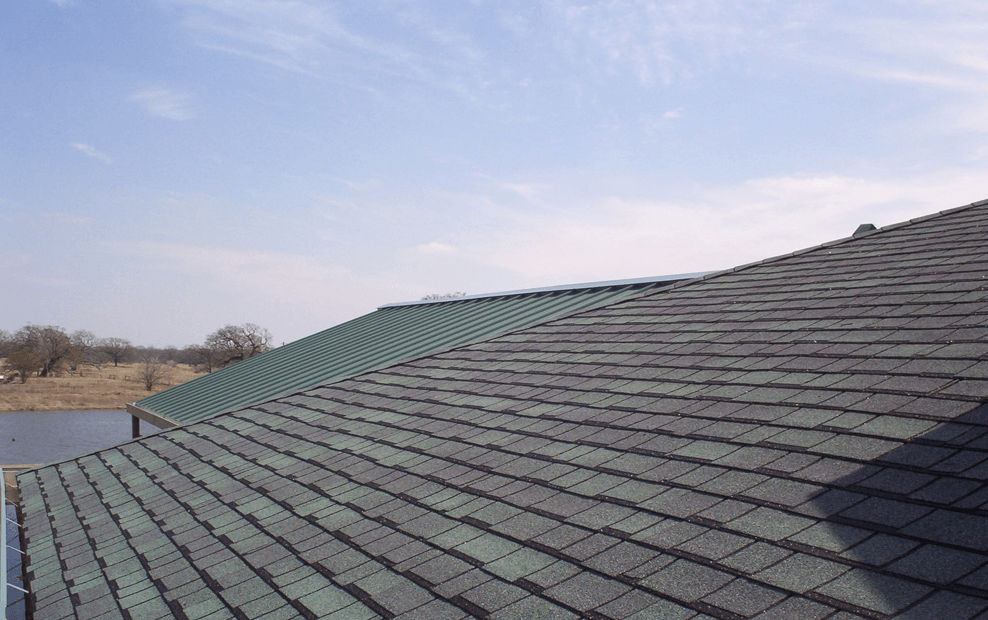
Proper installation is crucial for both performance and safety. Choose a contractor with experience in solar roofing systems, not just traditional roofing. Ask for references, check certifications, and ensure they are familiar with local building codes and permitting processes. Mistakes during installation can lead to leaks or reduced efficiency. For tips on avoiding common pitfalls, see this guide on roofing mistakes to avoid during shingle projects.
Cost Considerations and Financial Incentives
The price of solar roofing depends on the type of system, size, and complexity of installation. While solar shingles tend to cost more than traditional panels, both options can lead to long-term savings on energy bills. It’s important to factor in:
- Upfront costs: Includes materials, labor, permits, and any necessary roof repairs or upgrades.
- Incentives and rebates: Federal, state, and local programs can significantly reduce your out-of-pocket expenses. The federal solar tax credit, for example, allows you to deduct a percentage of installation costs from your taxes.
- Financing options: Many providers offer loans, leases, or power purchase agreements (PPAs), making solar more accessible to homeowners with different budgets.
To get a sense of what to expect, compare quotes from multiple installers and ask for a breakdown of costs and projected savings. If your roof is older, you may also want to review the replacing old asphalt roof guide to understand the costs and benefits of a full tear-off before adding solar components.
Maintenance and Longevity
Solar roofing systems are designed to be low-maintenance, but periodic cleaning and inspections help ensure optimal performance. Dust, leaves, and debris can reduce efficiency, so it’s wise to keep panels or shingles clear. Using a specialized tool, such as a roof cleaning brush, can make this task easier and safer.
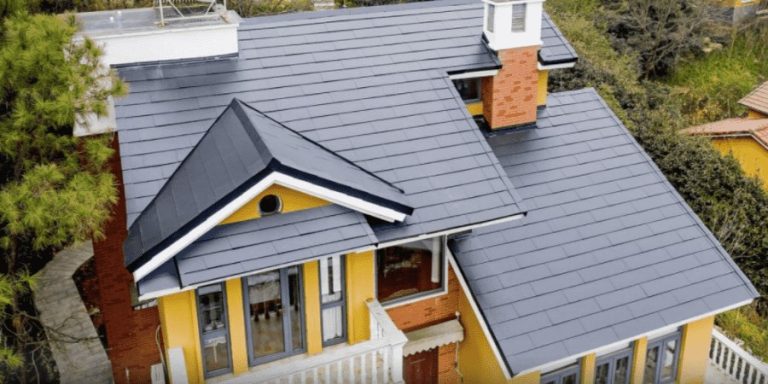
Most solar roofing products are built to last 25 years or more. However, it’s smart to monitor for signs of wear or damage, especially after severe weather. If you notice leaks or a drop in energy production, consult a professional. For more information on when to seek help, review the asphalt roof failure signs article.
Environmental Benefits and Additional Resources
Adopting solar roofing not only reduces your reliance on grid electricity but also lowers your home’s carbon footprint. By generating clean energy, you contribute to a more sustainable future. Some solar roofing materials also qualify as cool roofs, which reflect more sunlight and absorb less heat, further improving your home’s energy efficiency.
Frequently Asked Questions
How long does it take to install a solar roof?
The installation timeline varies based on roof size, system complexity, and permitting requirements. Most residential projects are completed within one to two weeks, but larger or more complex installations may take longer.
Can solar roofing be installed on any type of roof?
Solar roofing works best on newer roofs with good sun exposure and minimal shading. While most materials are compatible, some older or heavily shaded roofs may require upgrades or tree trimming to maximize efficiency.
What happens if my solar roof needs repairs?
If your solar roof is damaged, contact your installer or manufacturer. Most warranties cover repairs for defects or performance issues. For non-warranty repairs, work with a contractor experienced in both roofing and solar technology to avoid voiding your coverage.
Are there financing options for solar roofing?
Yes, many providers offer loans, leases, or power purchase agreements to help homeowners finance their solar roofing projects. These options can make solar more accessible and reduce upfront costs.
How do I maintain my solar roof?
Routine cleaning and annual inspections are usually sufficient. Remove debris, leaves, and dirt to keep the system operating efficiently. Use a soft brush or hire a professional for safe cleaning, especially on steep or high roofs.