As more homeowners turn to solar energy, understanding how solar roofing interacts with home insurance is crucial. Solar panels and integrated solar shingles offer energy savings and environmental benefits, but they also introduce new considerations for property protection and insurance coverage. Navigating the relationship between solar installations and your homeowner’s policy can help you avoid unexpected costs and ensure your investment is fully protected.
Whether you’re planning a new installation or already have solar technology on your roof, it’s important to know how insurers view these systems, what coverage you might need, and how to maximize both your energy and financial security. For those considering a broader upgrade, reviewing the roof upgrade cost can provide valuable context for budgeting and insurance planning.
How Solar Roofing Affects Home Insurance Policies
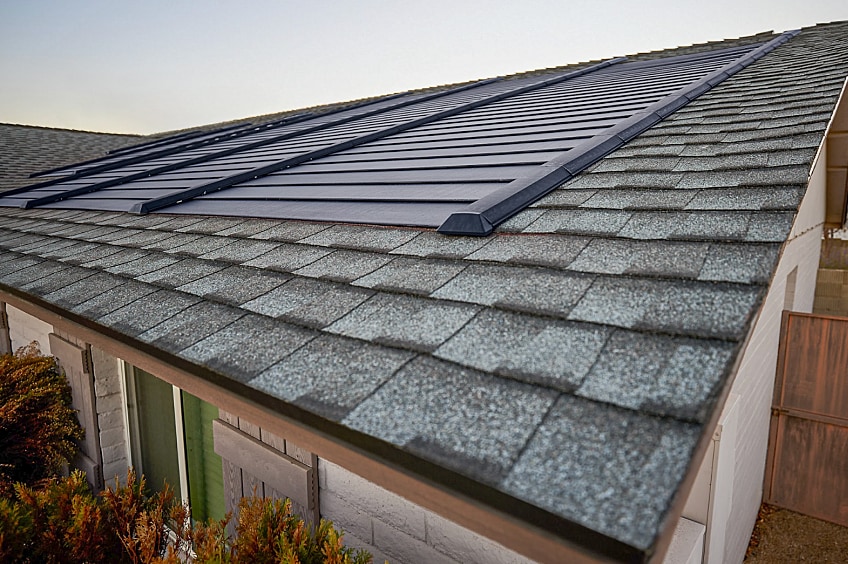
Adding solar panels or solar shingles to your home can impact your insurance in several ways. Most standard homeowner’s insurance policies cover permanent fixtures, which generally includes rooftop solar systems. However, it’s essential to notify your insurer about any new installation to ensure the value of your solar equipment is included in your dwelling coverage.
Some insurers may require an adjustment to your policy limits to account for the increased replacement cost of your home with the new solar system. Failing to update your policy could leave you underinsured if your roof is damaged by a covered peril such as fire, hail, or windstorm. Always confirm with your provider whether the solar equipment is considered part of the structure or if it needs to be scheduled as additional property.
Types of Solar Roofing and Their Insurance Implications
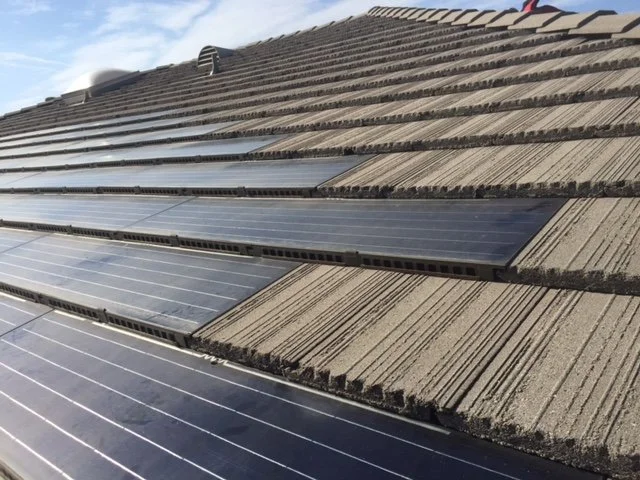
There are two primary types of solar roofing: traditional panels mounted on top of existing shingles, and integrated solar shingles or tiles. Each type has unique insurance considerations:
- Traditional Solar Panels: These are typically bolted onto the roof and are often covered as part of the home’s structure. However, some insurers may treat them as personal property, which could affect coverage limits and deductibles.
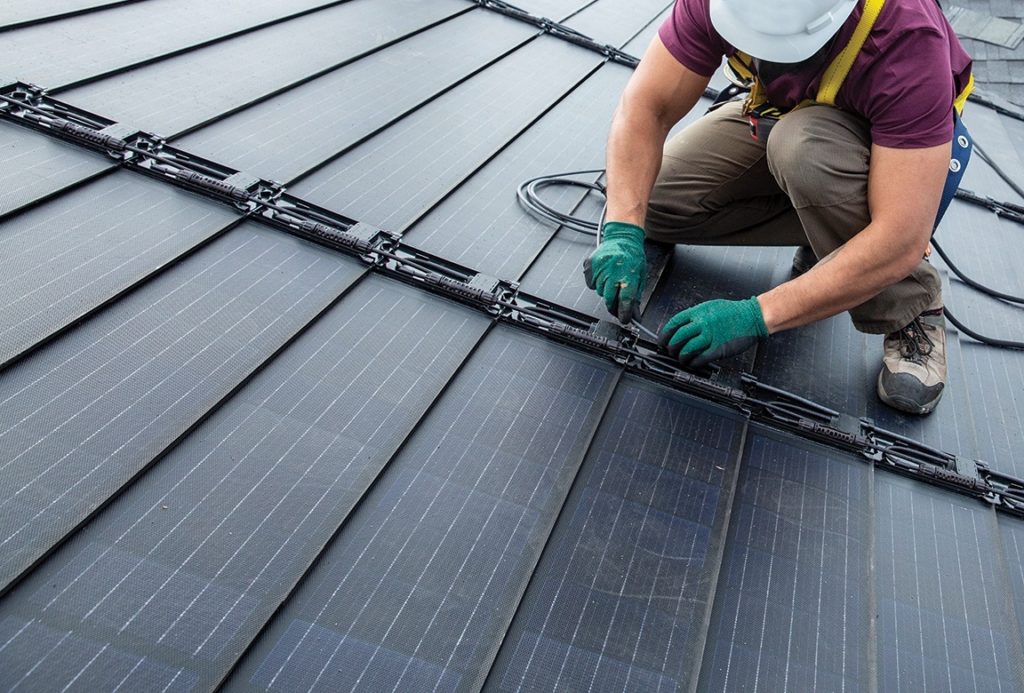
- Solar Shingles and Tiles: These are built directly into the roofing material. Because they are part of the roof itself, they are almost always considered part of the dwelling by insurance companies, but their higher replacement cost may require an increase in coverage.
For a detailed comparison of solar roof tiles and panels, see this guide to solar roof tiles vs solar panels.
Key Coverage Considerations for Solar Roofing and Home Insurance
When integrating solar technology into your roof, review your policy for the following elements:
- Dwelling Coverage: Ensure your policy’s dwelling limit is high enough to cover the cost of rebuilding your home, including the solar system.
- Personal Property vs. Structural Coverage: Clarify whether your insurer treats solar panels as part of the structure or as personal property. This distinction affects claim limits and deductibles.
- Liability Protection: If your solar system feeds excess energy back to the grid, check if your policy covers liability for potential electrical issues or injuries related to your installation.
- Roof Warranty and Installation: Improper installation can void your roof warranty and may affect insurance claims. Always use certified installers and keep documentation for both the installation and the manufacturer’s warranty.
Homeowners should also be aware of exclusions. For example, some policies may not cover damage from certain weather events or may exclude coverage for ground-mounted solar arrays. Reviewing your policy in detail and discussing it with your agent is the best way to avoid coverage gaps.
Premiums, Discounts, and Claims: What to Expect
Adding solar roofing can impact your insurance premiums. In some cases, premiums may increase due to the higher replacement cost of your home. However, some insurers offer discounts for homes with solar panels, especially if the installation includes safety features like battery storage or monitoring systems.
When filing a claim for damage to your solar system, the process is similar to other property claims. You’ll need documentation of the installation, proof of value, and details about the cause of damage. If you’re replacing an older roof as part of your solar upgrade, reviewing the guide to replacing old asphalt roof can help you understand how insurance may play a role in both the roof and solar system replacement.
It’s also important to keep up with regular maintenance. Insurers may deny claims if damage results from neglect, such as failing to clean debris off panels or ignoring signs of roof wear. Tools like a roof cleaning brush can help keep your system in top shape and reduce the risk of denied claims.
Steps to Take Before and After Installing Solar Roofing
To ensure your solar investment is fully protected, follow these steps:
- Contact Your Insurance Provider: Notify your insurer before installation. Ask how your policy will change and what documentation is required.
- Update Your Policy: Adjust your dwelling coverage to reflect the increased value of your home. Make sure the policy specifically mentions the solar system.
- Keep Records: Save all installation contracts, warranties, and receipts. These documents are essential for future claims.
- Schedule Regular Inspections: Have your roof and solar system inspected periodically to catch maintenance issues early.
- Review Annually: Revisit your policy each year or after any major home improvement to ensure adequate coverage.
For those planning a full roof replacement or considering other roofing materials, the asphalt roof replacement guide offers practical advice on planning and budgeting for new installations.
Common Mistakes to Avoid with Solar and Insurance
Homeowners sometimes overlook key details when adding solar to their roof. Here are some pitfalls to avoid:
- Not informing the insurer about the new solar system, leading to insufficient coverage.
- Assuming all solar equipment is covered under personal property, when it may need to be listed as part of the dwelling.
- Neglecting maintenance, which can void warranties and result in denied claims.
- Failing to use certified installers, which can impact both warranty and insurance eligibility.
- Overlooking potential premium increases or missing out on available discounts for energy-efficient upgrades.
For more tips on avoiding costly errors during roofing projects, see the advice on roofing mistakes to avoid.
Frequently Asked Questions
Does my homeowner’s insurance automatically cover solar panels?
Most standard policies cover rooftop solar panels as part of the dwelling, but you must inform your insurer and may need to increase your coverage limits. Always check with your provider to confirm how your system is classified and what documentation is needed.
Will installing solar roofing increase my insurance premiums?
It can. The added value of solar equipment may raise your home’s replacement cost, which can lead to higher premiums. However, some insurers offer discounts for energy-efficient upgrades, so it’s worth asking about potential savings.
What should I do if my solar panels are damaged?
Document the damage with photos, gather your installation records, and contact your insurer as soon as possible. The claims process is similar to other property claims, but having clear documentation will help ensure a smooth experience.
Conclusion
Integrating solar technology into your roof is a smart investment for energy savings and sustainability. To protect that investment, it’s essential to understand how solar roofing and home insurance work together. By updating your policy, maintaining your system, and staying informed about coverage requirements, you can enjoy the benefits of solar power with confidence and peace of mind.