Switching to solar roofing is a significant investment that offers long-term energy savings and increased property value. However, before embarking on this project, it’s essential to understand the solar roofing installation requirements that ensure a safe, efficient, and code-compliant system. This guide covers the critical considerations, from structural assessments to permitting and integration with your existing roof.
Whether you’re replacing an old roof or upgrading to a more energy-efficient solution, knowing the prerequisites for solar installation can help you avoid costly mistakes and delays. For those considering a broader upgrade, you may also want to review the roof upgrade cost to plan your budget effectively.
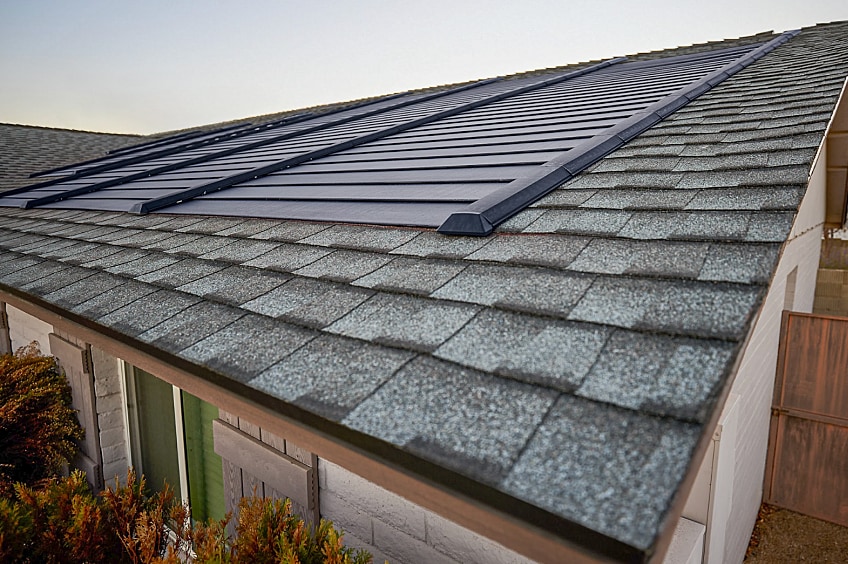
Key Factors Before Installing Solar Roofing
Before any panels or solar shingles are installed, a thorough evaluation of your roof and property is necessary. The following factors play a crucial role in determining if your home is ready for solar:
- Roof Age and Condition: Solar systems are designed to last 25 years or more. If your roof is nearing the end of its lifespan, consider replacing it first to avoid future removal and reinstallation costs.
- Structural Integrity: A professional assessment is required to confirm that your roof can support the additional weight of solar panels or integrated solar tiles. This includes checking rafters, trusses, and decking for any signs of damage or weakness.
- Roof Orientation and Pitch: South-facing roofs with a pitch between 15° and 40° are ideal for maximum solar exposure, but east- and west-facing roofs can also be viable with proper design.
- Shading Analysis: Trees, chimneys, or nearby buildings that cast shadows can reduce system efficiency. Trimming or removing obstructions may be necessary.
Addressing these elements early in the process will streamline your project and help you meet all solar roofing installation requirements set by manufacturers and local authorities.
Permitting and Code Compliance for Solar Roofing
One of the most important steps in any solar project is navigating the permitting process. Local building codes, zoning laws, and utility regulations vary widely, so it’s crucial to understand what’s required in your area.
- Building Permits: Most municipalities require permits for solar installations. This ensures the system meets safety standards and is properly integrated with your home’s electrical system.
- Electrical Codes: Installations must comply with the National Electrical Code (NEC), which governs wiring, grounding, and system disconnects for safety.
- Fire Codes: Some jurisdictions require setbacks or pathways on the roof to allow firefighter access. These rules can affect panel placement and system design.
- Historic Districts or HOAs: If you live in a historic area or under a homeowners association, additional approvals may be needed before making exterior modifications.
Working with an experienced installer who understands local solar roofing installation requirements can help you avoid delays and ensure your project passes inspection the first time.
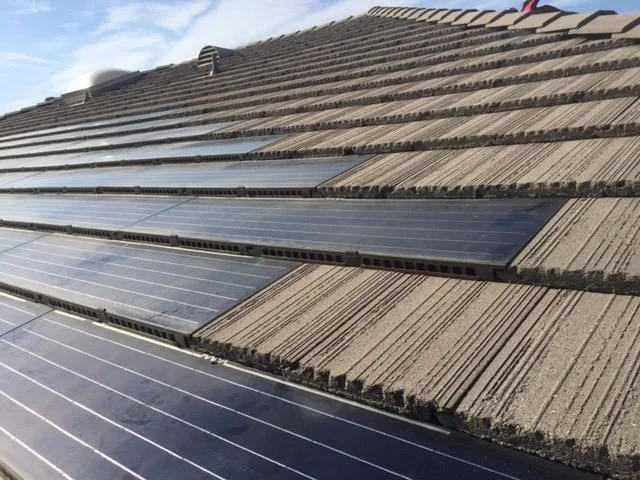
Types of Solar Roofing Systems and Their Requirements
There are two main categories of solar roofing: traditional solar panels mounted on racks and integrated solar shingles or tiles. Each type comes with its own set of installation criteria:
Rack-Mounted Solar Panels
- Mounting Hardware: Requires secure attachment to the roof structure, often through the decking and into rafters. Proper flashing is essential to prevent leaks.
- Roof Material Compatibility: Most common on asphalt shingles, metal, or tile roofs. Some materials, like slate, may require special mounting solutions.
- Wind and Snow Load: Systems must be engineered to withstand local weather conditions, including high winds and heavy snow.
Solar Shingles and Integrated Tiles
- Roof Replacement: These systems often require a full roof replacement, as the solar elements become part of the weatherproofing layer.
- Electrical Integration: Wiring is typically run beneath the tiles, requiring careful planning to meet code and manufacturer specs.
- Manufacturer Guidelines: Each product has unique installation instructions that must be followed for warranty and safety.
For a deeper comparison of these technologies, see this detailed guide on solar roof tiles versus solar panels.
Preparing Your Roof for Solar Installation
Preparation is key to a successful solar project. Here’s what you should expect during the prep phase:
- Inspection: A licensed contractor will inspect your roof’s structure, age, and surface condition.
- Repairs or Replacement: Any damaged decking, underlayment, or shingles should be repaired or replaced. If your roof is more than 15 years old, a full replacement may be recommended.
- Cleaning: Debris, moss, or algae should be removed to ensure proper adhesion and prevent future issues. Using a specialized tool like a roof cleaning brush can help maintain your roof’s surface.
- Layout Planning: The installer will map out the ideal panel or shingle arrangement, considering obstructions and code requirements.
Proper preparation not only protects your investment but also ensures your system operates at peak efficiency for years to come.
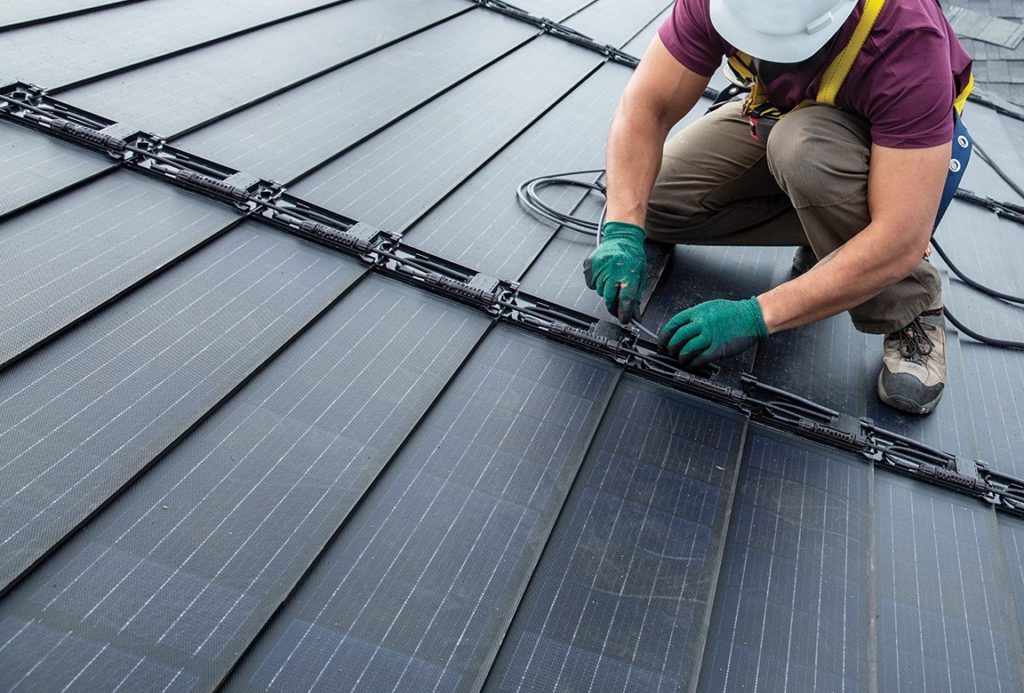
Common Mistakes to Avoid During Solar Installation
Even with careful planning, certain pitfalls can undermine your solar project. Here are some frequent errors and how to avoid them:
- Skipping Roof Repairs: Installing solar on a compromised roof can lead to leaks and costly rework.
- Ignoring Local Codes: Failure to comply with permitting or electrical codes can result in fines or forced removal of your system.
- Poor Panel Placement: Overlooking shading or improper orientation reduces output and return on investment.
- DIY Installations: Solar roofing is a complex project best left to certified professionals who understand all solar roofing installation requirements.
For more tips on avoiding costly errors, check out this resource on roofing mistakes to avoid during your next project.
Maintenance and Long-Term Considerations
Once your solar roof is installed, ongoing maintenance is relatively minimal but still important. Here’s what to keep in mind:
- Regular Cleaning: Dust, leaves, and debris can accumulate and reduce efficiency. Use a soft brush or hire a professional for safe cleaning.
- Annual Inspections: Have your system checked yearly to ensure all components are functioning and the roof remains watertight.
- Monitoring Output: Most systems include monitoring tools to track performance. Sudden drops in output may indicate a problem that needs attention.
Proper care will help your solar investment deliver reliable, clean energy for decades.
Frequently Asked Questions
How do I know if my roof is suitable for solar installation?
Your roof should be in good condition, structurally sound, and have minimal shading. A professional assessment will determine if any repairs or upgrades are needed before installation.
Do I need to replace my roof before adding solar panels?
If your roof is nearing the end of its lifespan (typically 15–20 years for asphalt shingles), it’s wise to replace it before installing solar. This prevents the need to remove and reinstall panels later, saving time and money.
Are there special requirements for installing solar on different roofing materials?
Yes. Asphalt shingles, metal, and tile roofs each require specific mounting hardware and techniques. Some materials, like slate, may need custom solutions. Always consult with your installer to ensure compatibility with your roof type.