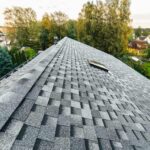
Smart solar roofing systems are transforming how homeowners and businesses generate and manage energy. These advanced solutions integrate photovoltaic technology directly into roofing materials, offering a seamless, efficient way to harness solar power while maintaining the appearance and protection of a traditional roof. As energy costs rise and sustainability becomes a priority, more property owners are considering these innovative options to reduce utility bills and their environmental footprint.
Choosing the right solar-integrated roof involves more than just picking panels. Factors like roof structure, local climate, and long-term maintenance all play a role. This guide covers the essentials, from how these systems work to their benefits, costs, and what to expect during installation. If you’re planning a major roof upgrade, understanding your options can help you make a smarter investment. For those comparing different roofing improvements, our roof upgrade cost resource provides additional insights on budgeting for high-performance materials.
How Integrated Solar Roofs Work
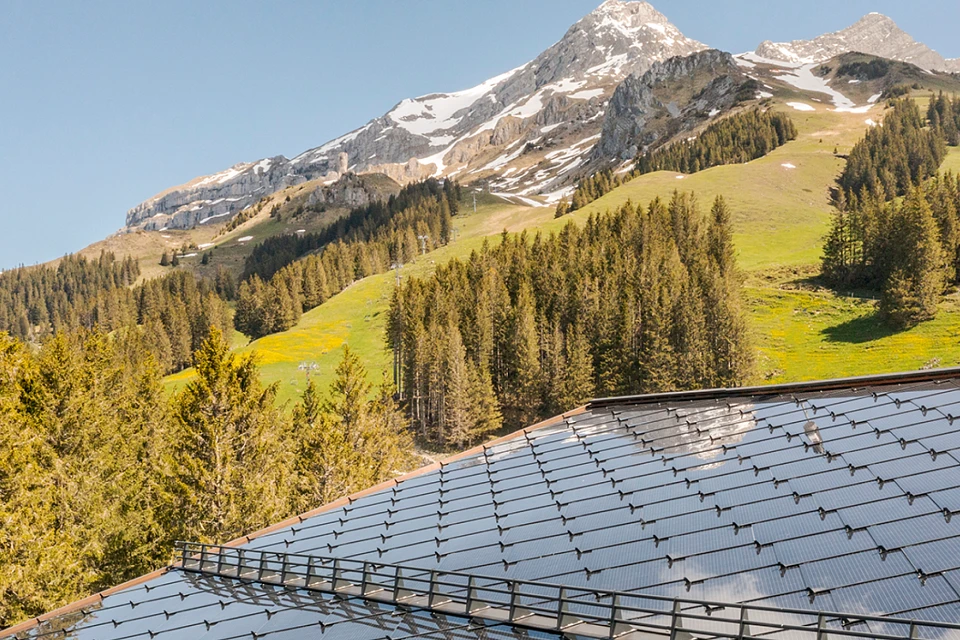
Unlike traditional solar panels that are mounted on top of existing shingles, smart solar roofing systems use building-integrated photovoltaics (BIPV). This technology embeds solar cells directly into roofing materials such as shingles, tiles, or metal panels. The result is a roof that generates electricity while serving as a weatherproof barrier.
These systems typically include:
- Solar shingles or tiles that replace standard roofing materials
- Inverters to convert the generated DC electricity into usable AC power
- Monitoring software for real-time energy tracking and system diagnostics
- Optional battery storage for backup power and energy independence
By integrating power generation into the roof itself, these solutions offer a streamlined look and can be less obtrusive than rack-mounted panels. They also reduce the risk of leaks or structural issues that sometimes occur with traditional solar installations.
Key Benefits of Advanced Solar Roofing
Modern solar-integrated roofs offer several advantages over older technologies. Here are some of the most important:
- Enhanced aesthetics: Solar shingles and tiles blend into the roofline, preserving curb appeal.
- Durability: Many smart roofing products are engineered to withstand harsh weather, including hail and high winds.
- Energy efficiency: Direct integration can reduce energy loss and improve overall system performance.
- Smart monitoring: Many systems come with apps or dashboards for tracking energy production and usage in real time.
- Potential for increased home value: A modern, energy-producing roof can be an attractive feature for buyers.
For those considering a full roof replacement, integrating solar technology can be a cost-effective way to combine two major upgrades into one project. If you’re planning to replace an old roof, our guide to full tear-offs can help you understand the process and timing.
Comparing Solar Roofing Materials
There are several types of materials used in solar roofing systems. The most common options include:
| Material Type | Appearance | Durability | Typical Lifespan |
|---|---|---|---|
| Solar Shingles | Looks like asphalt shingles | High | 25–30 years |
| Solar Tiles | Resembles clay or slate tiles | Very High | 30+ years |
| Solar Metal Panels | Sleek, modern metal finish | Excellent | 40+ years |
Each option has its own pros and cons. For a detailed breakdown of the advantages and disadvantages of solar roof tiles, see this comprehensive comparison of solar roof tiles.
When choosing materials, consider your climate, roof pitch, and the architectural style of your home. Some products are better suited for certain regions or roof types. Consulting with a qualified installer can help you select the best fit for your needs.
Installation Process and Considerations
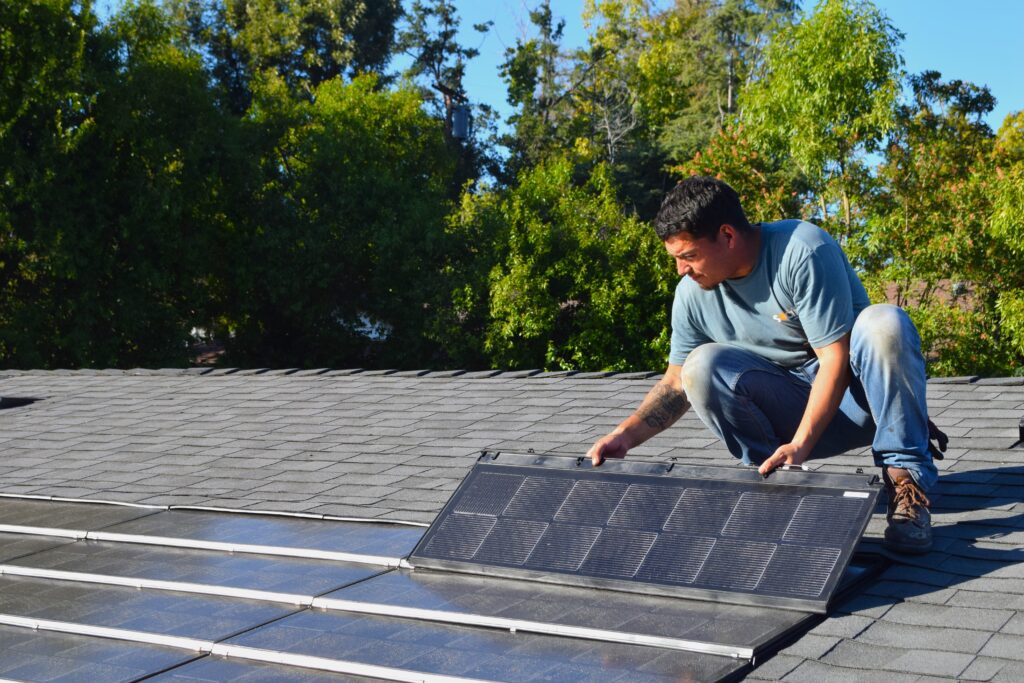
Installing a solar-integrated roof is more complex than adding traditional panels. The process usually involves:
- Removing old roofing materials (if replacing an existing roof)
- Inspecting and preparing the roof deck for new materials
- Installing underlayment and waterproofing layers
- Placing solar shingles, tiles, or panels according to manufacturer specifications
- Connecting electrical components and inverters
- Testing the system and setting up monitoring software
Most projects take several days to a week, depending on roof size and complexity. It’s important to work with certified installers who have experience with integrated solar products. Mistakes during installation can lead to leaks, electrical issues, or reduced system performance. For tips on avoiding common pitfalls, review our article on roofing mistakes to avoid during major projects.
Costs, Incentives, and Return on Investment
The upfront cost of a solar-integrated roof is typically higher than a standard roof or a conventional solar panel system. However, the investment can pay off over time through energy savings, tax credits, and increased property value. Factors influencing total cost include:
- Roof size and complexity
- Type and brand of solar roofing material
- Labor and installation fees
- Electrical upgrades or battery storage options
Many regions offer incentives to offset installation costs, such as federal tax credits, state rebates, or utility company programs. Be sure to research local incentives and consult with your installer to maximize your savings. For those interested in traditional roof replacements, our asphalt roof replacement guide provides a detailed look at costs and planning.
Over the lifespan of the system, homeowners can often recoup their investment through lower electricity bills and potential earnings from net metering programs. The exact payback period depends on energy usage, local rates, and available incentives.
Maintenance and Longevity of Solar Roofs
One of the advantages of smart solar roofing is low maintenance. Most products are designed to be as durable as traditional roofing materials. Routine care includes:
- Periodic visual inspections for debris or damage
- Cleaning dust or leaves off the surface to maintain efficiency
- Monitoring system performance via the included app or dashboard
- Scheduling professional inspections every few years
Most manufacturers offer warranties ranging from 20 to 30 years on both the roofing material and the solar components. Watch for signs like leaks, cracked tiles, or sudden drops in energy production. If you notice any of these, consult a professional immediately. For more on identifying urgent issues, see our article on asphalt roof failure signs.
Frequently Asked Questions
How do smart solar roofs differ from traditional solar panels?
Integrated solar roofs use photovoltaic technology built directly into roofing materials, creating a seamless appearance and reducing the risk of leaks or mounting issues. Traditional panels are installed on top of an existing roof and may be more visible.
Can I install a solar-integrated roof on any home?
Most homes are eligible, but factors like roof pitch, orientation, shading, and structural integrity can affect suitability. A professional assessment is recommended to determine if your property is a good fit for these systems.
What is the typical lifespan of a solar-integrated roof?
Most systems are designed to last 25–30 years or more, with warranties to match. Proper maintenance can help maximize both energy production and roof longevity.
Conclusion
Solar-integrated roofing is a forward-thinking solution for those seeking to combine energy efficiency with modern design. By understanding the technology, benefits, installation process, and maintenance needs, you can make an informed decision about upgrading your property. As the market for smart solar roofing systems continues to grow, these innovative products are becoming more accessible and cost-effective for homeowners and businesses alike.