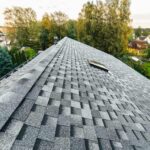
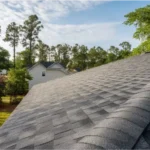
Proper attic ventilation is essential for maintaining a healthy, energy-efficient home. Among the various ventilation solutions available, ridge vents stand out for their effectiveness and unobtrusive design. Understanding how ridge vents work can help homeowners make informed decisions about their roofing and attic systems, leading to improved comfort, reduced energy bills, and a longer-lasting roof.
This article explores the science behind ridge vents, their benefits, and how they compare to other ventilation methods. If you’re considering a roof upgrade or planning a replacement, learning about attic airflow can help you avoid common roofing mistakes to avoid and maximize your investment.
Understanding the Basics of Attic Ventilation
Attic ventilation is the process of allowing air to flow in and out of the attic space. This movement of air helps regulate temperature and moisture levels, which are critical for the health of your roof and the overall energy efficiency of your home. Without proper ventilation, attics can become excessively hot in summer and trap moisture in winter, leading to issues like mold, wood rot, and premature roof deterioration.
A balanced attic ventilation system typically includes intake vents (usually located at the soffits or eaves) and exhaust vents (positioned near the roof’s peak). This setup creates a continuous flow of air, drawing cool, fresh air in at the bottom and expelling hot, stale air at the top. Ridge vents serve as the primary exhaust component in many modern roofing systems.
How Ridge Vents Function in a Roofing System
To understand how ridge vents work, it’s helpful to visualize their placement and operation. A ridge vent is installed along the entire length of the roof’s peak, creating a low-profile opening that allows warm air to escape naturally. Unlike box vents or turbine vents, which are installed in specific spots, ridge vents provide continuous ventilation across the highest point of the roof.
The principle behind ridge vents is based on the natural tendency of warm air to rise. As the sun heats the roof, the air inside the attic becomes warmer and less dense. This warm air rises to the peak and exits through the ridge vent. At the same time, cooler air is drawn in through the soffit or eave vents, creating a steady upward airflow. This process is often referred to as the “stack effect.”
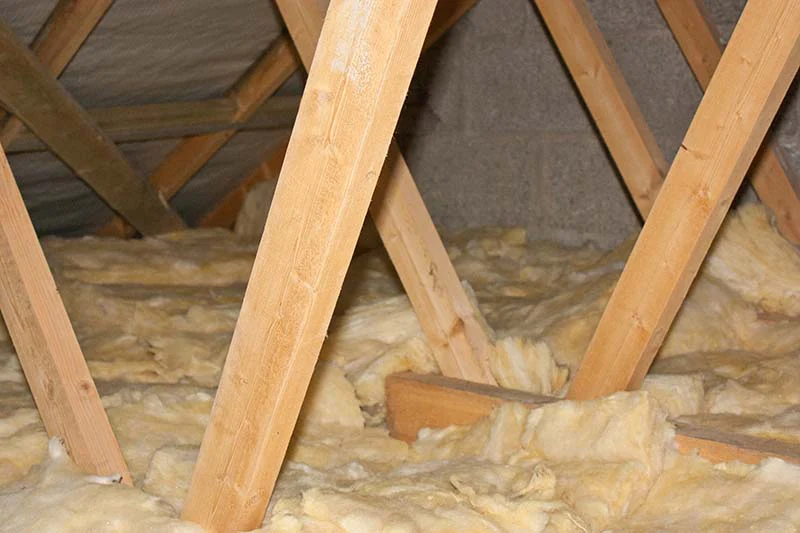
Key Benefits of Installing Ridge Vents
There are several advantages to choosing ridge vents as part of your attic ventilation strategy:
- Uniform Airflow: Because ridge vents run the entire length of the roof, they provide even ventilation, reducing hot spots and moisture buildup.
- Low Profile Appearance: Ridge vents blend seamlessly with the roofline, making them less noticeable than other vent types.
- Passive Operation: These vents require no electricity or moving parts, relying solely on natural air movement for effectiveness.
- Improved Roof Longevity: By reducing heat and moisture, ridge vents help prevent shingle damage, wood rot, and mold growth.
- Energy Efficiency: Proper attic ventilation can lower cooling costs in summer and reduce the risk of ice dams in winter.
When paired with adequate intake vents, ridge vents create a balanced system that supports the long-term health of your roof and attic.
Comparing Ridge Vents to Other Attic Ventilation Options
While ridge vents are a popular choice, there are several other types of attic exhaust vents, including box vents, turbine vents, and powered attic fans. Each option has its own strengths and limitations:
- Box Vents: Also known as static vents, these are installed in specific locations on the roof. They provide localized ventilation but may not offer the same uniform airflow as ridge vents.
- Turbine Vents: These use wind power to spin and draw air out of the attic. While effective in windy areas, their performance can be inconsistent in calm conditions.
- Powered Attic Fans: These electrically powered fans actively remove hot air but require energy to operate and can sometimes create negative pressure if not balanced with adequate intake vents.
Ridge vents, by contrast, offer continuous, passive ventilation without the need for mechanical parts or electricity. They are especially effective when installed on roofs with a long, continuous ridge line and paired with sufficient soffit vents.
Installation Considerations for Ridge Vents
Proper installation is crucial for maximizing the benefits of ridge vents. Here are some important factors to keep in mind:
- Balanced System: Ridge vents must be paired with adequate intake vents to ensure effective airflow. Without proper intake, the exhaust function of the ridge vent is compromised.
- Roof Design: Not all roofs are suitable for ridge vents. Complex rooflines or homes with limited ridge length may require a combination of ventilation methods.
- Weather Protection: Quality ridge vents are designed to prevent rain, snow, and pests from entering the attic while still allowing air to flow freely.
- Professional Installation: For optimal performance and warranty protection, it’s best to have ridge vents installed by a qualified roofing contractor.
If you’re considering a new roof, it’s a good idea to review resources like the asphalt roof replacement guide to understand how ventilation fits into the overall roofing system.
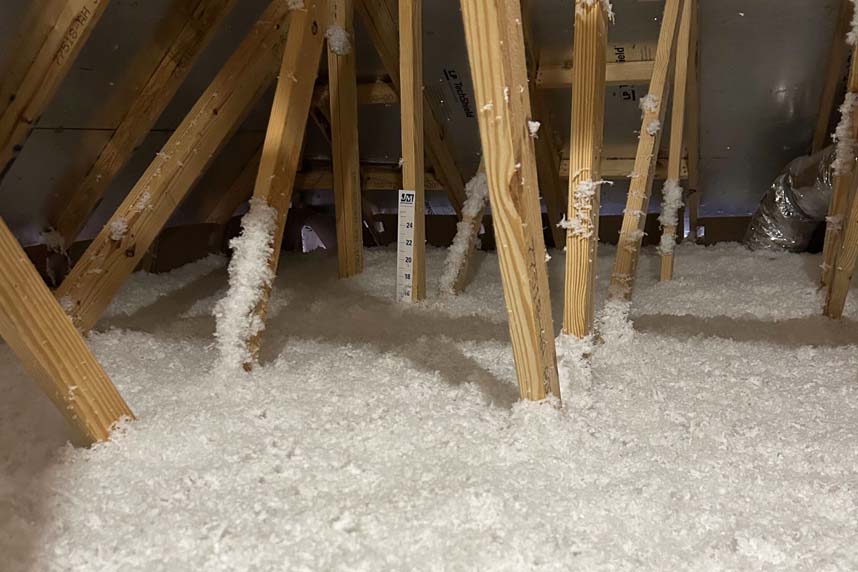
Common Myths and Mistakes About Ridge Ventilation
Despite their effectiveness, there are some misconceptions about how ridge vents work and how they should be used:
- Myth: More vents are always better. In reality, adding too many exhaust vents without matching intake can disrupt airflow and reduce efficiency.
- Myth: Ridge vents cause leaks. Properly installed ridge vents are designed to keep out rain and snow. Leaks are typically the result of poor installation or incompatible roofing materials.
- Mistake: Mixing vent types. Combining ridge vents with other high-point exhaust vents (like box or turbine vents) can short-circuit the airflow, making the system less effective.
To avoid these pitfalls, work with a reputable contractor and ensure your attic ventilation system is designed as a balanced, integrated solution.
Signs Your Attic Needs Better Ventilation
Even with a well-designed roof, it’s important to monitor your attic for signs of poor ventilation. Common indicators include:
- Excessive heat in the attic during summer months
- Visible mold, mildew, or wood rot on rafters or decking
- Peeling paint or warped shingles on the roof
- Ice dams forming along the eaves in winter
- Unusually high energy bills
If you notice any of these issues, it may be time to assess your attic ventilation and consider upgrades. For more information on when to take action, see the guide on asphalt roof failure signs.
Frequently Asked Questions
Do ridge vents work on all types of roofs?
Ridge vents are most effective on roofs with a long, continuous ridge line and adequate soffit or eave intake vents. Complex roof designs or homes with limited ridge length may require alternative or supplementary ventilation methods.
How do I know if my attic ventilation is balanced?
A balanced system has equal or slightly more intake vent area compared to exhaust. If your attic feels excessively hot or you notice moisture problems, it’s a sign the system may be unbalanced. A roofing professional can assess your current setup and recommend improvements.
Can I install ridge vents myself?
While some experienced DIYers may attempt installation, it’s generally best to hire a professional. Proper installation is critical for weatherproofing, performance, and maintaining your roof’s warranty.
Conclusion
Understanding how ridge vents work is key to creating a healthy, energy-efficient attic environment. By allowing hot air to escape at the roof’s peak and drawing in cooler air from below, ridge vents help regulate temperature and moisture, protect your roofing materials, and improve indoor comfort. When planning your next roofing project, consider the advantages of ridge ventilation and consult with a trusted contractor to ensure your system is designed for maximum effectiveness.