Optimizing your solar roof for maximum energy production involves more than just choosing the right panels. The solar roofing orientation and tilt are critical factors that determine how much sunlight your system captures throughout the year. Homeowners and building professionals alike need to understand how the direction and angle of a roof impact solar performance, system efficiency, and long-term savings.
Whether you’re planning a new installation or upgrading an existing roof, this guide covers the essential concepts, best practices, and practical considerations for getting the most from your solar investment. For those considering a broader roof overhaul, you might also want to review the roof upgrade cost to ensure your project aligns with your budget and performance goals.
Understanding the Importance of Roof Direction
The direction your roof faces—its orientation—directly affects how much sunlight your solar panels receive. In the northern hemisphere, south-facing roofs are generally considered optimal for solar energy production, as they receive the most direct sunlight throughout the day. However, east- and west-facing roofs can also be viable, especially when paired with the right tilt and modern panel technology.
For homes in the southern hemisphere, the ideal orientation is north-facing. The closer your panels are to the optimal direction, the higher your energy yield will be. Even if your roof isn’t perfectly aligned, small adjustments and creative mounting solutions can help maximize solar exposure.
How Tilt Angle Influences Solar Output
The angle at which your solar panels are installed—the tilt—plays a significant role in capturing sunlight efficiently. The optimal tilt angle depends on your geographical latitude. As a general rule, the best tilt is close to your location’s latitude, but seasonal adjustments can further enhance performance:
- Winter: Steeper tilt angles capture lower sun angles.
- Summer: Flatter angles are better for high sun positions.
- Year-Round: A fixed tilt near your latitude balances output across seasons.
For example, if you live at 40° latitude, a tilt of 30–40° is typically recommended for year-round efficiency. Roof pitch often limits how much you can adjust tilt, but racking systems can compensate for less-than-ideal slopes.
Roof Types and Their Impact on Solar Panel Placement
Not all roofs are created equal when it comes to solar installations. The shape, material, and pitch of your roof can influence both the orientation and tilt options available:
- Gable Roofs: Typically offer two large surfaces, often with one facing the optimal direction.
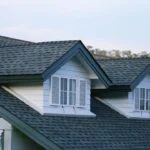
- Hip Roofs: Multiple slopes may require splitting panels across different orientations.
- Flat Roofs: Allow for adjustable racking to set the ideal tilt and direction.
- Complex Rooflines: Dormers, valleys, and obstructions can limit usable space and complicate layout.
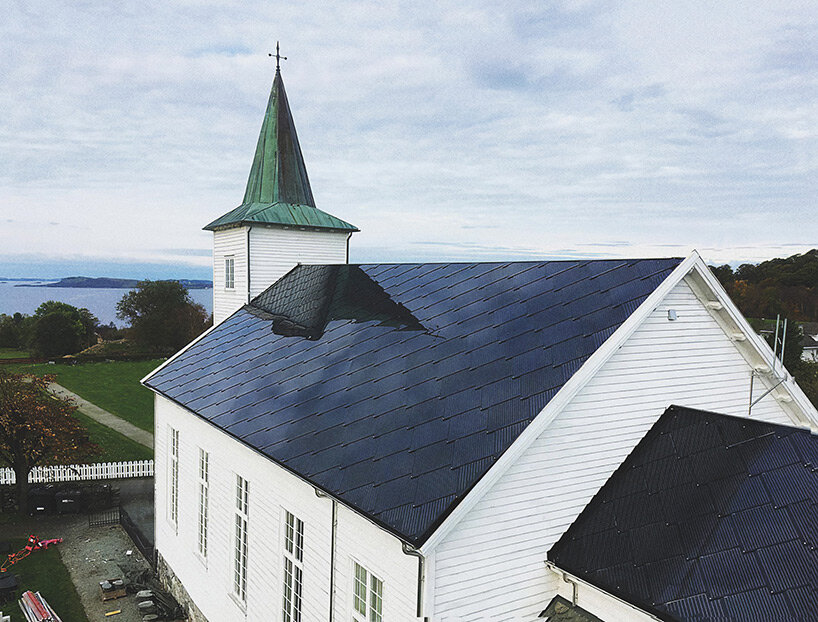
Modern solar shingles and integrated roofing products, such as those highlighted in this overview of innovative solar shingles, can provide more flexibility for challenging roof designs.
Shading and Obstructions: What to Watch Out For
Even with the best orientation and tilt, shading from trees, chimneys, or nearby buildings can significantly reduce your system’s output. It’s important to assess your roof’s exposure throughout the year, as shadows move with the seasons. Tools like solar pathfinders or professional site assessments can help identify potential issues before installation.
When shading is unavoidable, microinverters or power optimizers can help mitigate losses by allowing each panel to operate independently.

Optimizing Solar Roofing for Maximum Efficiency
To get the most from your solar setup, consider the following strategies:
- Choose the best available roof face for panel placement, prioritizing south (or north in the southern hemisphere).
- Use adjustable mounting systems on flat or low-slope roofs to fine-tune tilt and orientation.
- Trim or remove shading obstacles when possible, or use technology to minimize their impact.
- Plan for future roof maintenance—select products and layouts that allow for easy access and cleaning.
Regular cleaning and inspection help maintain peak performance. If you’re replacing an older roof, it’s wise to review the replacing old asphalt roof guide to ensure your new surface is ready for solar integration.
Common Mistakes to Avoid with Solar Panel Layout
Some frequent errors can undermine your investment in solar energy:
- Installing panels on shaded or poorly oriented roof sections.
- Ignoring local climate and weather patterns that affect sun exposure.
- Overlooking future roof repairs or upgrades, which can complicate panel removal and reinstallation.
- Failing to consult with experienced solar professionals for site-specific recommendations.
For a comprehensive look at what not to do, check out these roofing mistakes to avoid during your next project.
Integrating Solar with Modern Roofing Materials
Advances in roofing technology have made it easier to combine energy generation with durability and aesthetics. Solar shingles and integrated photovoltaic roofing systems can be installed on a variety of roof types, offering a streamlined appearance and improved weather resistance. These products are especially useful for complex or non-standard rooflines where traditional panels may not fit optimally.
When planning your installation, consult with both roofing and solar experts to ensure compatibility and long-term performance.
FAQ: Solar Roofing Orientation and Tilt
What is the best direction for solar panels on my roof?
In most cases, the best direction is true south in the northern hemisphere or true north in the southern hemisphere. This orientation maximizes sunlight exposure throughout the day, leading to higher energy production. However, east- and west-facing roofs can still be effective, especially with modern panel technology and when combined with the right tilt.
How do I determine the ideal tilt angle for my solar panels?
The ideal tilt angle is generally close to your geographic latitude. For example, if you live at 35° latitude, a tilt of 30–35° is recommended for year-round efficiency. Some homeowners adjust tilt seasonally, but most residential systems use a fixed angle for simplicity and durability.
Can I install solar panels if my roof isn’t perfectly oriented?
Yes, you can still benefit from solar energy even if your roof isn’t perfectly aligned. While optimal orientation and tilt maximize output, panels installed on east or west-facing roofs, or at less-than-ideal angles, will still generate significant electricity. Using microinverters, power optimizers, or adjustable racking systems can help improve performance in these situations.