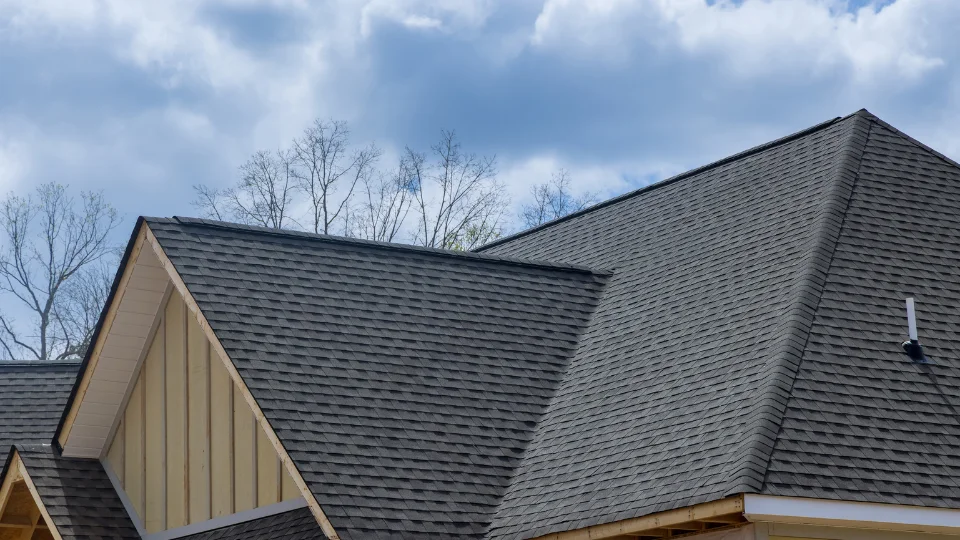
Many homeowners put off roof replacement until a major leak forces their hand. However, waiting for water to drip through your ceiling can lead to costly repairs and even structural damage. Recognizing the signs you need a new roof early can save money, protect your home, and provide peace of mind. In this article, we’ll break down the most common indicators that your roof may be nearing the end of its life, explain what to look for during a visual inspection, and offer practical next steps if you spot trouble.
Staying proactive with your roof’s health is essential. Not only does it help you avoid emergency repairs, but it also gives you time to plan and budget for a replacement. If you’re unsure about the condition of your shingles or want to learn more about maintaining your roof, check out our roof inspection guide for step-by-step advice on how to safely check your shingles.
How to Spot Early Warning Signs
Most roofs don’t fail overnight. Instead, they show gradual warning signals that, if caught early, can help you avoid sudden leaks or interior damage. Here are some of the most common red flags:
- Curled or buckling shingles: Shingles that are curling at the edges or appear warped are a classic indicator that your roof is aging or has been exposed to excessive heat or moisture.
- Missing or cracked shingles: Gaps in your roof covering leave the underlayment exposed, making it easier for water to penetrate.
- Granule loss: If you notice bald spots on your shingles or find granules collecting in your gutters, it’s a sign the protective layer is wearing away.
- Dark streaks or moss: Algae growth, dark stains, or moss patches can signal trapped moisture, which accelerates deterioration.
- Daylight through the attic: If you can see sunlight coming through your roof boards, water can get in as well.
For more on the most frequent issues homeowners encounter, our common roofing problems guide offers a detailed look at what to watch for and how to address them.
Age Matters: When to Consider Replacement
The age of your roof is one of the most important factors in determining whether it’s time for a new one. Most asphalt shingle roofs last between 20 and 30 years, while other materials like metal or tile can last longer. If your roof is approaching or has surpassed its expected lifespan, it’s wise to start planning for a replacement—even if you haven’t noticed leaks yet.
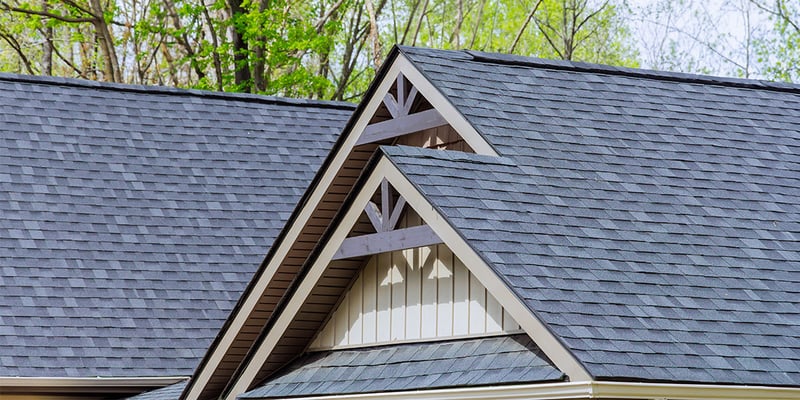
Other factors that can shorten a roof’s life include poor ventilation, improper installation, and severe weather. If you’re seeing widespread shingle damage or your neighbors are replacing their roofs (especially in developments built around the same time), it’s a good idea to get a professional assessment.
Visible Damage: What to Look for on Your Roof
Inspecting your roof from the ground with binoculars or from a ladder (only if it’s safe) can reveal a lot about its condition. Here are some visible clues that may indicate it’s time for a new roof:
- Widespread shingle damage: If more than a third of your shingles are cracked, missing, or curling, repairs may not be cost-effective.
- Damaged flashing: Flashing around chimneys, vents, and valleys should be intact. Rusted, bent, or missing flashing can allow water to seep in.
- Sagging roof deck: A drooping or sagging roofline is a serious issue that often points to structural problems or long-term water damage.
- Staining on interior ceilings or walls: Water stains inside your home often mean the roof has already failed in one or more spots.
Understanding the materials used in your roof can also help you spot issues early. For example, asphalt shingles are popular for their affordability and ease of installation, but they have unique vulnerabilities. To learn more about their composition and why it matters, see this in-depth explanation of asphalt shingle materials.
Granule Loss and Shingle Wear: Subtle Signs of Trouble
One of the less obvious—but important—indicators of roof aging is the loss of granules from asphalt shingles. These tiny mineral particles protect shingles from UV rays and weather. Over time, you may notice an accumulation of granules in your gutters or downspouts. While some granule loss is normal, especially after a new roof is installed, excessive or uneven loss is a warning sign.
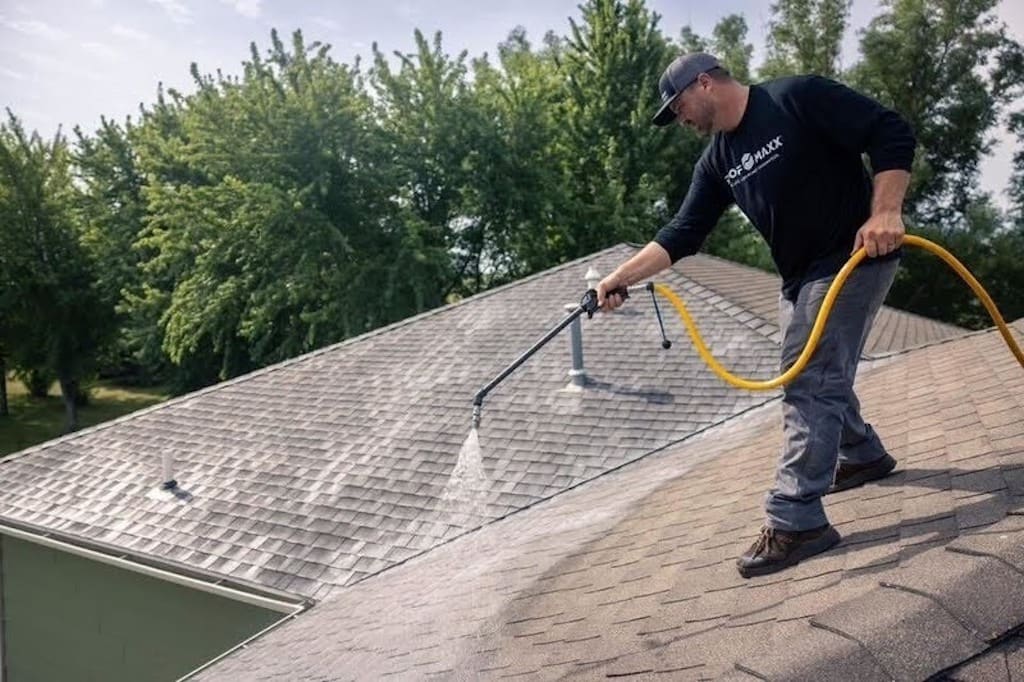
Other subtle signs include blistering, cracking, or bald patches on shingles. If you notice these issues, especially in multiple areas, it’s a strong indicator that your roof’s protective abilities are compromised.
Interior Clues: When to Investigate Further
Sometimes, the need for a new roof is first revealed inside your home. Keep an eye out for these interior warning signs:
- Water stains or discoloration on ceilings and walls, especially after rainstorms.
- Mold or mildew growth in the attic or upper rooms, which can result from chronic moisture intrusion.
- Peeling paint or wallpaper near the ceiling, often caused by trapped moisture.
- Musty odors in the attic, signaling ongoing leaks or poor ventilation.
If you spot any of these issues, it’s important to act quickly. Even small leaks can lead to significant damage over time. For tips on keeping your shingles in top shape, our roofing maintenance schedule provides a helpful checklist for regular upkeep.
What to Do If You Notice Warning Signs
Once you’ve identified potential problems, the next step is to determine whether repairs or a full replacement is the best solution. Here’s how to proceed:
- Schedule a professional inspection: A qualified roofer can assess the extent of the damage and provide an honest recommendation.
- Get multiple estimates: Comparing quotes from several contractors ensures you get a fair price and helps you understand your options.
- Consider timing: Planning a replacement before leaks develop gives you more flexibility and can help you avoid emergency costs.
- Review your warranty: If your roof is still under warranty, some repairs or replacements may be covered.
Choosing the right contractor is crucial. For guidance on hiring a reputable professional, see our roofing contractor guide.
Frequently Asked Questions
How often should I inspect my roof for damage?
It’s recommended to visually inspect your roof at least twice a year—once in the spring and once in the fall. After major storms, check for visible damage or debris as well. Regular inspections help you catch issues before they become serious.
Can I replace just a few damaged shingles instead of the whole roof?
If the damage is limited to a small area and the rest of your roof is in good condition, replacing individual shingles can be a cost-effective solution. However, if you notice widespread problems or your roof is nearing the end of its lifespan, a full replacement may be more practical in the long run.
What are the risks of delaying roof replacement?
Waiting too long to replace a failing roof can lead to water intrusion, mold growth, structural damage, and higher repair costs. Proactive replacement helps protect your home and can save money by preventing more extensive damage.
Are there new materials or styles I should consider for my next roof?
Yes, roofing materials and designs continue to evolve. If you’re interested in the latest options, our article on roofing trends covers new shingle technologies, colors, and energy-efficient choices.