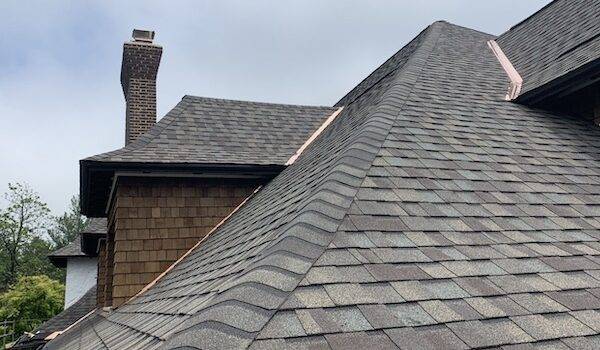
Choosing the right roofing material is essential for homes in regions with high temperatures and intense sunlight. An asphalt roof for hot climate must withstand extreme heat, resist UV damage, and help keep interiors cooler. Homeowners often turn to asphalt shingles for their affordability and versatility, but not all asphalt products perform equally well under harsh sun and soaring temperatures.
This guide explores the best heat-resistant shingle options, how they work, and what to look for when selecting asphalt roofing for warm environments. Whether you’re replacing an old roof or building new, understanding the key features of modern shingles can help you make a smart, energy-efficient investment.
For those interested in how asphalt compares to other roofing materials, take a look at our detailed comparison in asphalt vs tile roof. This resource covers cost, weight, and longevity—factors that also play a role in hot weather performance.
Why Asphalt Shingles Remain Popular in Hot Regions
Asphalt shingles are a staple in American roofing due to their cost-effectiveness, ease of installation, and broad color selection. In hot climates, however, their popularity is also tied to recent advances in manufacturing. Modern shingles are engineered to reflect more sunlight and resist thermal cracking, making them a practical choice for homes exposed to relentless sun.
Some of the reasons homeowners choose asphalt for warm-weather roofs include:
- Affordability: Asphalt shingles are less expensive than tile or metal, making them accessible for most budgets.
- Availability: Widely stocked by suppliers, with many products rated for high-heat environments.
- Easy Repairs: Damaged shingles can be replaced individually, saving on repair costs.
- Style Options: Available in a variety of colors and textures to complement any architectural style.
For a broader look at the advantages, see our article on the benefits of asphalt shingles.
Key Features of Heat-Resistant Asphalt Shingles
Not all asphalt shingles are created equal when it comes to performance in hot weather. Here are the most important features to look for in a heat-resistant asphalt roof:
- Solar Reflectance: High-reflectivity granules help bounce sunlight away, reducing heat absorption.
- Algae Resistance: Special coatings prevent dark streaks and stains that can worsen heat retention.
- Enhanced UV Protection: Advanced polymers and granules shield the shingle from ultraviolet degradation.
- Thermal Stability: Quality asphalt blends resist softening and deformation even during heatwaves.
- Cool Roof Ratings: Many manufacturers offer “cool roof” shingles certified by ENERGY STAR or CRRC, which are specifically tested for solar reflectance and thermal emittance.
Best Shingle Colors and Types for High Temperatures
Color plays a significant role in how much heat your roof absorbs. Lighter shades—such as white, light gray, or pale tan—reflect more sunlight and help keep attic temperatures lower. Many manufacturers now offer “cool” color blends that combine aesthetics with high reflectivity.
When considering a new asphalt roof for hot climate, look for:
- Light-Colored Shingles: These can reduce surface temperature by up to 20-40°F compared to dark shingles.
- Architectural (Laminated) Shingles: Thicker and more durable, these resist warping and curling in extreme heat.
- Impact-Resistant Options: Some products are designed to withstand both hail and thermal shock, which can be common in areas with hot days and sudden storms.
For those in climates with both hot summers and cold winters, you may want to compare with cold weather roofing shingles to find a product that balances year-round performance.
Installation Tips for Maximum Heat Resistance
Even the best shingles can underperform if not installed correctly. Here are some installation practices that improve the longevity and efficiency of your asphalt roof in hot climates:
- Proper Ventilation: Ridge vents, soffit vents, and attic fans prevent heat buildup and extend shingle life.
- Quality Underlayment: Use reflective or synthetic underlayments to add another layer of heat protection.
- Sealing and Flashing: Ensure all seams and penetrations are well-sealed to prevent leaks and energy loss. Products like roof sealant can help maintain a tight barrier.
- Professional Installation: Hire experienced roofers familiar with local climate challenges and manufacturer guidelines.
For a breakdown of how asphalt compares to metal in hot weather, see our guide on shingles vs metal roof.
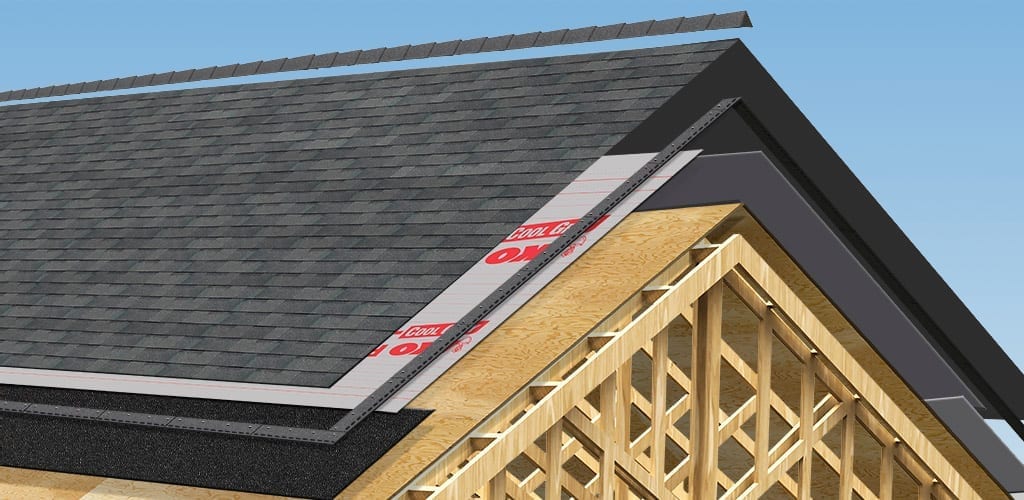
Comparing Asphalt Shingles to Other Roofing Materials in Hot Weather
While asphalt is a leading choice, it’s helpful to understand how it stacks up against other materials for heat resistance:
| Material | Heat Resistance | Cost | Weight | Maintenance |
|---|---|---|---|---|
| Asphalt Shingles | Good (with cool roof options) | Low | Light | Low |
| Clay/Tile | Excellent | High | Heavy | Low |
| Metal | Excellent (reflective coatings) | Medium-High | Light-Medium | Low |
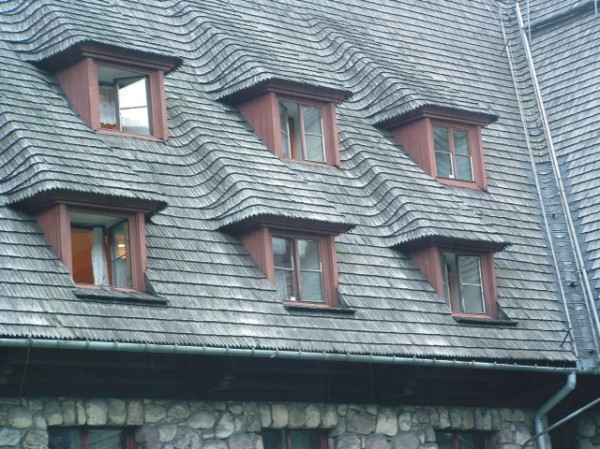
| Wood | Poor | Medium | Light | High |
Asphalt shingles with cool roof technology offer a strong balance of price, weight, and heat resistance for most homes. For more on performance and cost, see our resource: is asphalt roofing good.
Maintenance Tips for Asphalt Roofs in Hot Climates
To maximize the lifespan of your roof in hot weather, follow these maintenance tips:
- Inspect Regularly: Check for cracked, curled, or missing shingles after heatwaves or storms.
- Clean Debris: Remove leaves, branches, and dirt to prevent moisture retention and algae growth.
- Seal Exposed Areas: Use a quality sealant on flashing and around vents to prevent leaks.
- Monitor Attic Ventilation: Ensure airflow is unobstructed to keep attic temperatures down.
Routine care helps prevent premature aging and protects your investment, especially in areas with long, hot summers.
Understanding the Science Behind Heat-Resistant Shingles
Modern asphalt shingles use advanced granule coatings and polymer blends to improve solar reflectance and durability. These technologies are explained in detail on the asphalt shingle Wikipedia page, which covers their composition and evolution. By reflecting more sunlight and resisting UV breakdown, these shingles help keep attic spaces cooler and extend the roof’s service life.
ENERGY STAR and Cool Roof Rating Council (CRRC) certifications are good indicators that a shingle is designed for optimal performance in high temperatures.
FAQ: Asphalt Shingles for Warm Weather
What makes a shingle suitable for hot climates?
Heat-resistant shingles are designed with reflective granules, UV inhibitors, and durable asphalt blends that prevent warping, cracking, and premature aging under intense sun. Lighter colors and cool roof certifications further improve their performance in warm regions.
How long do asphalt shingles last in hot weather?
With proper installation and maintenance, high-quality asphalt shingles can last 20–30 years in hot climates. Choosing products with enhanced heat and UV resistance, along with ensuring good attic ventilation, will maximize their lifespan.
Are there alternatives to asphalt shingles for hot climates?
Yes, alternatives include clay or concrete tiles, metal roofing with reflective coatings, and some synthetic products. Each has its own pros and cons regarding cost, weight, and appearance. However, modern asphalt shingles with cool roof technology remain a cost-effective, practical option for many homeowners.