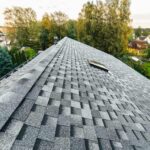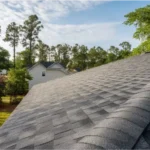
Regularly assessing your roof is one of the most important steps you can take to protect your home from water damage, mold, and costly repairs. This roof inspection guide will walk you through the safest and most effective ways to check your shingles, spot early warning signs of trouble, and know when to call a professional. Whether you’re a new homeowner or have years of experience with home maintenance, understanding the basics of roof assessments can help you extend the life of your roof and avoid unexpected expenses.
Before you begin, it’s helpful to familiarize yourself with the different types of shingles and common issues that can arise. For a deeper dive into ongoing care, you may also want to review our roofing maintenance schedule for tips on keeping your shingles strong throughout the year.
Why Regular Roof Assessments Matter
Many homeowners overlook their roofs until a leak or visible damage appears. However, regular checks are crucial for catching small issues before they escalate. By following a structured roof inspection guide, you can:
- Identify missing, cracked, or curling shingles early
- Spot signs of moss, algae, or debris buildup
- Detect flashing damage around chimneys and vents
- Prevent leaks and interior water damage
- Prolong the lifespan of your roofing materials
Staying proactive with your roof’s condition not only saves money but also ensures your home remains safe and comfortable year-round.
Preparing for a Safe Roof Check
Safety should always come first when inspecting your roof. If you’re uncomfortable with heights or your roof is particularly steep, consider hiring a professional. For those who choose to do it themselves, follow these safety guidelines:
- Inspect from the ground first using binoculars to spot obvious issues
- Use a sturdy, well-placed ladder on level ground
- Wear slip-resistant shoes and avoid working on wet or icy surfaces
- Have someone nearby in case you need assistance
- Never walk on fragile or damaged areas
Gather basic tools like a flashlight, notepad, camera, and gloves. If you plan to access the roof, consider a safety harness for added protection.
Step-by-Step Roof Assessment Checklist
Following a systematic approach ensures you don’t miss critical details. Here’s a practical checklist to guide your inspection:
- Examine Shingles from the Ground: Walk around your home and look for missing, warped, or discolored shingles. Pay attention to areas where shingles appear to be lifting or curling.
- Check Gutters and Downspouts: Look for granules or pieces of shingles in the gutters, which can indicate aging or damage.
- Inspect Flashing and Seals: Focus on the metal flashing around chimneys, skylights, and vents. Damaged or loose flashing is a common source of leaks.
- Look for Moss, Algae, or Debris: Growths can trap moisture and accelerate deterioration. Remove debris carefully and note any persistent moss or algae.
- Assess the Attic: From inside, check for signs of water stains, mold, or daylight coming through the roof boards.
Document any issues you find and prioritize repairs based on severity. For a more comprehensive look at common issues, see our common roofing problems guide.
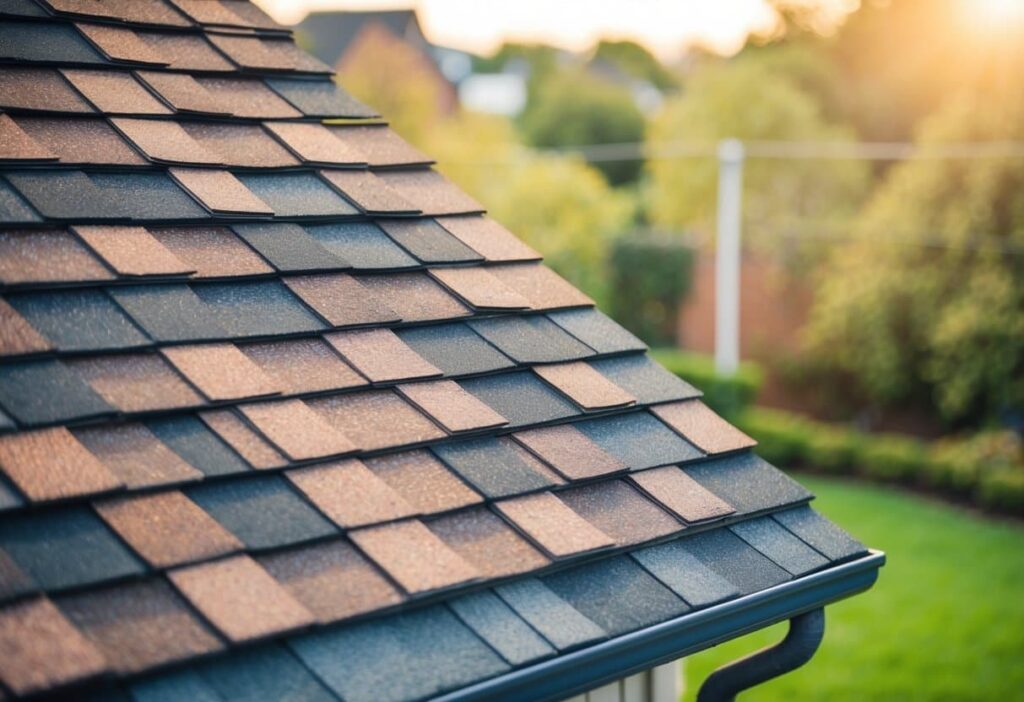
What to Look for When Inspecting Shingles
Shingles are your roof’s first line of defense against the elements. During your check, look for these common warning signs:
- Cracks or Splits: These can allow water to penetrate and cause leaks.
- Curling Edges: Often a sign of aging or poor ventilation.
- Missing Shingles: Exposes the underlayment and can lead to rapid deterioration.
- Granule Loss: Bald spots or excessive granules in gutters indicate wear.
- Discoloration or Stains: May point to water damage or algae growth.
If you notice any of these issues, prompt repairs are essential. Replacing a few damaged shingles is far less expensive than dealing with widespread water damage.
For homeowners interested in learning more about shingle options, this overview of asphalt roofing shingles provides helpful details on types and durability.
When to Call a Professional Roofer
While many minor issues can be handled by a handy homeowner, some situations call for expert help:
- Extensive shingle damage or large missing sections
- Signs of sagging or structural problems
- Persistent leaks or water stains in the attic
- Steep, high, or complex roof designs
Professional roofers have the experience and equipment to handle repairs safely and efficiently. If you’re unsure about the severity of an issue, it’s always better to consult a specialist.
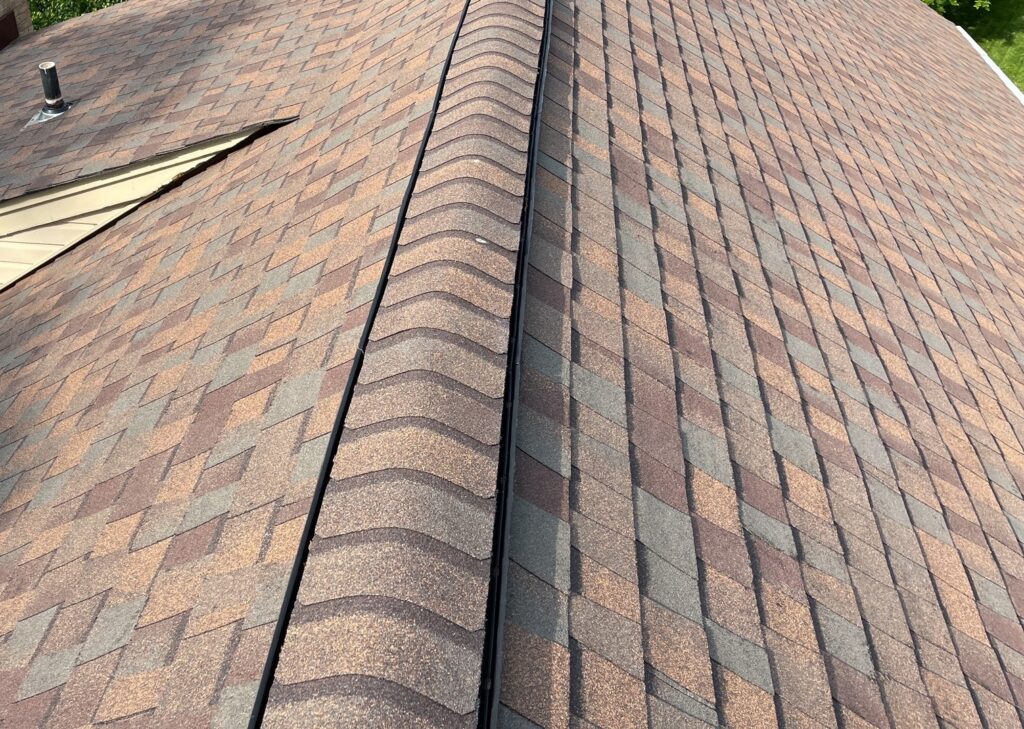
Tips for Maintaining Shingle Roofs Year-Round
Consistent care helps prevent costly repairs and extends the life of your roof. Here are some practical maintenance tips:
- Trim overhanging branches to reduce debris and shade that encourages moss
- Clean gutters regularly to prevent water backup and ice dams
- Check attic ventilation to avoid heat and moisture buildup
- After storms, inspect for wind or hail damage
- Schedule a professional inspection every few years
For more advice on caring for your roof, visit our roofing tips for homeowners resource.
Frequently Asked Questions
How often should I check my roof for damage?
It’s recommended to perform a visual check at least twice a year—once in the spring and again in the fall. Additional inspections should be done after major storms or if you notice signs of leaks or damage inside your home.
Can I inspect my roof without climbing on it?
Yes, many issues can be spotted from the ground using binoculars. Look for missing or curled shingles, damaged flashing, and debris. For a closer look, only access the roof if it’s safe to do so, or hire a professional.
What should I do if I find a few damaged shingles?
Small repairs, such as replacing a few shingles or sealing minor cracks, can often be handled by homeowners with the right materials. Use quality sealant and matching shingles for best results. If the damage is widespread or you’re unsure, consult a roofing contractor.
Conclusion
Regularly following a roof inspection guide is key to keeping your home safe and dry. By learning what to look for and how to address minor issues, you can avoid major repairs and extend the life of your roof. Remember to prioritize safety, document your findings, and don’t hesitate to seek professional help for complex problems. For more detailed information on shingle types and installation, see our asphalt roof buying guide or explore the complete roofing guide asphalt shingles for homeowners.