Living in a noisy environment or dealing with temperature extremes can make any home less comfortable. One highly effective solution for both issues is roof insulation for noise reduction. This approach not only helps to block unwanted sounds from entering your living space but also improves energy efficiency, keeping your home cooler in summer and warmer in winter. Whether you’re affected by traffic noise, rain, or simply want a more peaceful indoor environment, upgrading your roof’s insulation can make a noticeable difference.
As building technologies evolve, homeowners are increasingly interested in solutions that deliver both comfort and sustainability. Insulating your roof is a practical investment that pays off in reduced utility bills, enhanced property value, and a quieter, more enjoyable home. If you’re exploring modern roofing options, you might also find it useful to learn about solar roofing market trends, which can complement your insulation strategy.

How Roof Insulation Minimizes Unwanted Noise
Noise pollution is a growing concern in urban and suburban areas. The roof is one of the largest surfaces exposed to external sounds, such as rain, wind, airplanes, and traffic. Without adequate insulation, these noises can easily penetrate the interior, disrupting sleep and daily activities.
Roof insulation for noise reduction works by adding dense, sound-absorbing materials between the roof and the living space. These materials dampen vibrations and block airborne sounds, making your home noticeably quieter. The effectiveness of insulation depends on its thickness, density, and the specific product used.

Types of Insulation Materials for Acoustic and Thermal Benefits
There are several insulation materials commonly used to enhance both soundproofing and thermal performance. Each has its own advantages depending on your specific needs and budget.
- Fiberglass Batts: Widely available and cost-effective, fiberglass batts are known for their ability to absorb sound and resist heat transfer. They are easy to install and suitable for most pitched roofs.
- Spray Foam: This material expands to fill gaps and creates an airtight seal, offering excellent sound dampening and energy efficiency. Spray foam is ideal for irregular roof shapes or hard-to-reach areas.
- Mineral Wool: Also known as rock wool, this dense material is highly effective at blocking noise and is fire-resistant. It’s a popular choice for homes in noisy neighborhoods or areas prone to wildfires.
- Rigid Foam Boards: These boards provide good thermal insulation and can help reduce noise, especially when combined with other materials.
Selecting the right insulation depends on your roof structure, climate, and the primary sources of noise you want to address.
Installation Methods for Enhanced Noise Control
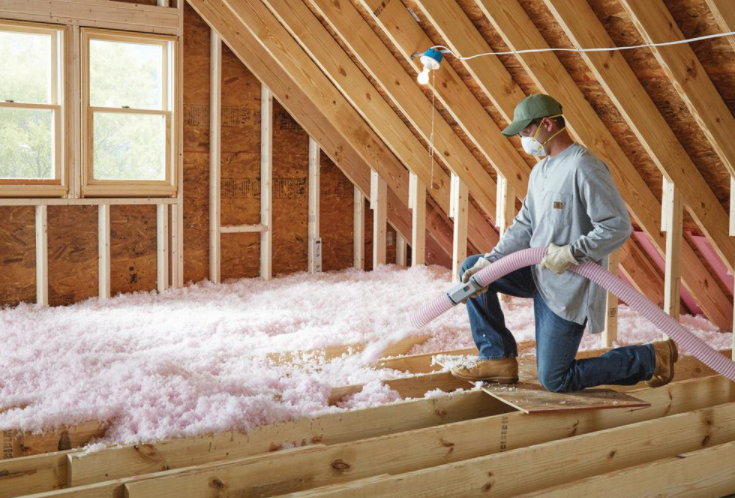
The way insulation is installed plays a significant role in its effectiveness for sound reduction. Here are some common methods:
- Between Rafters: Placing insulation batts or rolls between the roof rafters is a standard approach for pitched roofs. This method is straightforward and allows for easy upgrades.
- Over Decking: For new constructions or major renovations, adding insulation boards above the roof decking creates a continuous barrier, minimizing thermal bridges and noise transmission.
- Spray Application: Spray foam can be applied directly to the underside of the roof deck, sealing gaps and providing both sound and thermal insulation.
Proper installation is crucial. Gaps or compressed insulation can reduce effectiveness. It’s often best to consult a professional to ensure optimal results.
Additional Benefits of Roof Insulation Beyond Noise Reduction
While the primary motivation for many homeowners is to reduce noise, insulating your roof brings several other advantages:
- Improved Energy Efficiency: Insulation helps maintain a stable indoor temperature, reducing the need for heating and cooling. This can lead to significant savings on energy bills.
- Enhanced Comfort: A well-insulated home feels more comfortable year-round, with fewer drafts and hot or cold spots.
- Increased Property Value: Energy-efficient and quiet homes are attractive to buyers, potentially boosting resale value.
- Environmental Impact: By lowering energy consumption, you reduce your home’s carbon footprint.
If you’re considering integrating modern technologies, exploring latest solar roofing technology can further enhance your home’s efficiency and sustainability.
Choosing the Right Insulation for Your Needs
Selecting the best insulation involves considering several factors:
- Noise Sources: Identify the main sources of unwanted sound—traffic, rain, neighbors, or machinery—to choose the most appropriate material and thickness.
- Climate: In colder climates, prioritize materials with high thermal resistance (R-value). In warmer areas, focus on products that also reflect heat.
- Roof Structure: The type and shape of your roof may influence which insulation methods and materials are suitable.
- Budget: While some options like spray foam are more expensive upfront, they may provide greater long-term savings and comfort.
Consulting with a roofing or insulation professional can help you make an informed decision tailored to your home’s unique requirements.
Maintenance and Longevity of Insulated Roofs
Once installed, roof insulation requires minimal maintenance. However, periodic checks are recommended to ensure there are no leaks, moisture buildup, or pest infestations that could compromise performance. Over time, some materials may settle or degrade, so it’s wise to inspect your attic or crawl space every few years.
Upgrading insulation can also be an opportunity to inspect your roof for damage or consider additional improvements, such as integrating innovations in solar roofing for even greater energy savings.
FAQ: Roof Insulation and Soundproofing
How much noise reduction can I expect from roof insulation?
The amount of noise reduction depends on the type and thickness of insulation used, as well as the construction of your roof. High-density materials like mineral wool or spray foam can significantly reduce airborne and impact noise, making your home much quieter.
Is roof insulation effective against all types of noise?
Insulation is most effective at blocking airborne sounds such as traffic, rain, and wind. For low-frequency vibrations or very loud noises, additional soundproofing measures—like resilient channels or acoustic panels—may be needed for optimal results.
Can I combine roof insulation with solar panels?
Yes, you can install both. In fact, combining insulation with solar roofing systems can maximize your home’s energy efficiency and comfort. If you’re interested in the future of these technologies, check out the latest solar roofing future trends for more insights.
Does roof insulation require professional installation?
While some types of insulation, like fiberglass batts, can be installed by experienced DIYers, professional installation is recommended for spray foam and complex roof structures to ensure safety and effectiveness.
How long does roof insulation last?
Most insulation materials are designed to last for decades. With proper installation and occasional inspections, you can expect reliable performance for 20–40 years or more, depending on the product.
Investing in roof insulation for noise reduction is a practical step toward a quieter, more comfortable, and energy-efficient home. By understanding your options and working with qualified professionals, you can enjoy lasting benefits and peace of mind.