Maintaining a healthy roof is one of the most important responsibilities for any homeowner. A well-structured roofing maintenance schedule can help prevent costly repairs, extend the lifespan of your shingles, and keep your home protected from the elements. By following a consistent plan, you can identify small issues before they become major problems and ensure your roof remains in top condition year-round.
Whether you’re new to homeownership or have managed a property for years, understanding the essentials of roof care is key. This article outlines how to build a practical maintenance routine, what to look for during inspections, and how to address common issues. For those seeking a comprehensive approach, our roofing checklist for homeowners offers additional guidance on managing your project from start to finish.
Why a Regular Roof Care Plan Matters
Many homeowners underestimate the importance of routine roof upkeep. However, weather, debris, and time all take a toll on roofing materials. By implementing a structured plan, you can:
- Prevent leaks and water damage by catching issues early
- Extend the life of your shingles and underlayment
- Maintain your home’s energy efficiency and curb appeal
- Protect your investment and avoid unexpected expenses
Consistent maintenance is especially crucial for asphalt shingle roofs, which are popular for their affordability and durability. For a deeper dive into material choices, see our asphalt roof buying guide.
Key Elements of a Roofing Maintenance Schedule
Creating an effective plan involves more than just an occasional glance at your roof. Here’s what a thorough roofing maintenance schedule should include:
- Seasonal Inspections: Check your roof at least twice a year—ideally in spring and fall. Look for missing, curling, or cracked shingles, as well as signs of moss or algae.
- After Severe Weather: Inspect your roof following storms, high winds, or heavy snowfall. Pay attention to debris, loose flashing, and damaged gutters.
- Cleaning Gutters and Downspouts: Clogged gutters can cause water to back up and damage your roof edge. Clean them regularly to ensure proper drainage.
- Removing Debris: Clear leaves, branches, and other debris from the roof surface to prevent moisture retention and shingle deterioration.
- Checking Attic Ventilation: Proper airflow helps regulate temperature and prevents moisture buildup that can lead to rot or mold.
- Professional Inspections: Schedule a professional evaluation every few years, or if you notice persistent issues.
For those new to roof care, our beginner guide to asphalt roofs covers the basics of maintenance and material selection.
How to Inspect Your Roof: Step-by-Step
Regular inspections are the backbone of any maintenance plan. Here’s how to conduct a safe and effective check:
- Start from the ground: Walk around your home and look for visible damage, such as missing shingles or sagging areas.
- Use binoculars: This allows you to spot issues without climbing onto the roof.
- Look for granule loss: Excessive granules in gutters indicate aging shingles.
- Check flashing and seals: Inspect areas around chimneys, vents, and skylights for cracks or gaps.
- Inspect the attic: Look for water stains, damp insulation, or daylight peeking through the roof boards.
If you’re unsure about what to look for, our complete roofing guide asphalt shingles provides detailed information on identifying common problems.
Common Issues Found During Routine Checks
Even with a strong roofing maintenance schedule, certain problems can arise over time. Here are some of the most frequent issues homeowners encounter:
- Damaged or missing shingles: Exposure to wind, hail, or debris can loosen or break shingles, leaving your roof vulnerable.
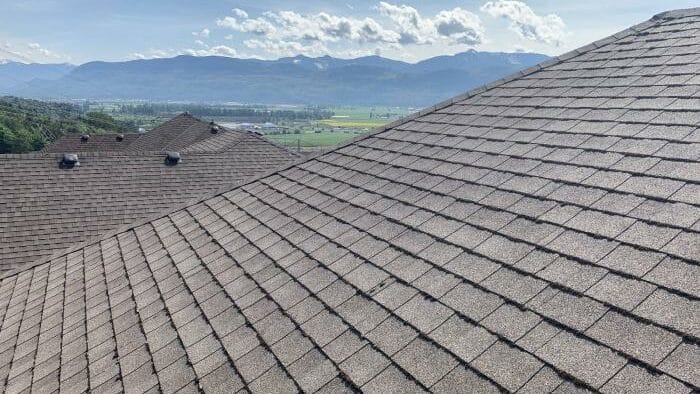
- Moss and algae growth: These can trap moisture and accelerate shingle decay. Regular cleaning is essential to prevent buildup.
- Clogged gutters: Overflowing gutters can cause water to seep under the roof edge, leading to rot and leaks.
- Cracked flashing: Damaged seals around vents and chimneys are common sources of leaks.
- Poor attic ventilation: Inadequate airflow can cause heat and moisture to build up, shortening the life of your roofing materials.
Addressing these issues promptly can save you money and stress in the long run. For more tips, see our roofing tips for homeowners.
Best Practices for Shingle Longevity
To maximize the lifespan of your asphalt shingles, consider these expert recommendations:
- Trim overhanging branches: This reduces debris and minimizes the risk of falling limbs damaging your roof.
- Keep the roof clean: Remove moss, algae, and leaves regularly to prevent moisture retention.
- Seal exposed nails and flashing: Use a quality sealant to prevent water intrusion at vulnerable points.
- Replace damaged shingles promptly: Don’t wait for small problems to escalate—swap out broken or missing shingles as soon as possible.
- Schedule professional inspections: An expert can spot issues you might miss and recommend targeted repairs.
For a technical overview of how asphalt shingle systems work, check out this simple guide to understanding your asphalt shingle roofing system.
Sample Annual Roof Maintenance Calendar
| Season | Tasks |
|---|---|
| Spring | Inspect for winter damage, clean gutters, remove debris, check attic ventilation |
| Summer | Trim trees, check for algae/moss, repair minor shingle damage |
| Fall | Clean gutters, inspect flashing, prepare for winter storms |
| Winter | Check for ice dams, monitor attic for leaks, remove snow buildup if safe |
Adjust your maintenance plan based on your local climate and the specific needs of your home. Consistency is key to keeping your roof in top shape.
FAQ: Roof Maintenance and Shingle Care
How often should I inspect my roof?
It’s best to inspect your roof at least twice a year—once in the spring and again in the fall. Additional checks are recommended after severe weather events or if you notice signs of damage.
What are the signs that my shingles need replacing?
Look for curling, cracking, or missing shingles, as well as granule loss and visible daylight in your attic. If your roof is over 20 years old or you see widespread damage, it may be time for a replacement.
Can I perform roof maintenance myself?
Many routine tasks, such as cleaning gutters and removing debris, can be done safely by homeowners. However, for inspections that require climbing onto the roof or for major repairs, it’s best to hire a professional to avoid injury and ensure quality work.
Is moss on my roof a problem?
Yes, moss can trap moisture and accelerate the deterioration of shingles. Remove moss promptly and consider applying a preventative treatment to keep it from returning.
How can I make my shingles last longer?
Follow a regular maintenance routine, keep the roof clean, ensure proper attic ventilation, and address small issues before they become major problems. Using quality materials and professional installation also contribute to longer shingle life.