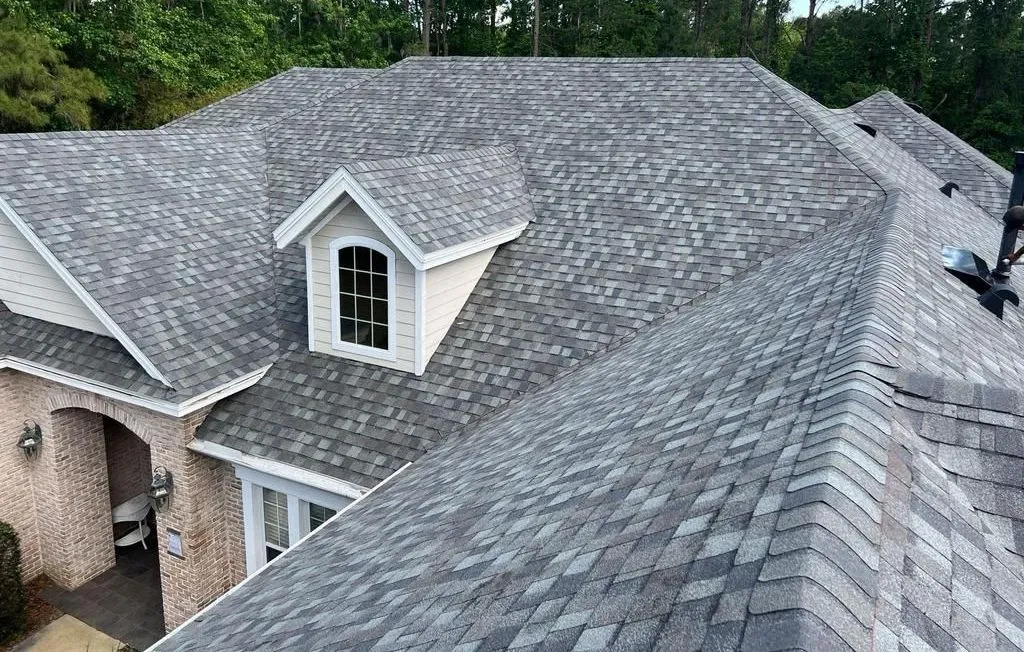
Choosing the best roofing shingles for homes is a crucial decision for homeowners. The right shingles not only protect your house from the elements but also enhance curb appeal and can even improve energy efficiency. With so many options available, understanding the features, benefits, and considerations for each type will help you make a confident, informed choice for your next roofing project.
Whether you’re replacing an old roof or building a new home, it’s important to weigh factors like durability, cost, appearance, and climate suitability. This guide covers the most popular shingle materials, what sets them apart, and how to select the ideal option for your needs. For those noticing leaks or visible wear, it may be time to review the signs you need a new roof before starting your selection process.
Understanding Roofing Shingle Types
There are several main categories of shingles used in residential roofing. Each type has its own strengths and potential drawbacks. Here’s a look at the most common options:
- Asphalt Shingles: The most widely used, known for affordability and versatility.
- Architectural (Dimensional) Shingles: Thicker, layered asphalt shingles with enhanced durability and visual depth.
- Wood Shingles and Shakes: Offer a classic, natural look but require more maintenance.
- Metal Shingles: Durable and energy-efficient, suitable for various climates.
- Slate and Synthetic Slate: Extremely long-lasting and elegant, but heavier and more expensive.
- Clay and Concrete Tiles: Popular in warm climates, prized for longevity and fire resistance.
Let’s explore these options in detail to help you identify the top shingle choices for residential roofs.
Asphalt Shingles: The Popular Choice
Asphalt shingles are the leading choice for homeowners across North America. Their popularity is due to a balance of cost, durability, and ease of installation. There are two main types:
- Three-tab shingles: Flat, single-layered, and budget-friendly. They offer a clean, uniform appearance but have a shorter lifespan (typically 15–20 years).
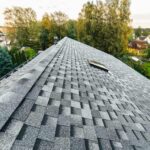
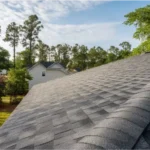
- Architectural shingles: Also called dimensional or laminated shingles, these feature multiple layers for a thicker, more textured look. They last longer (20–30 years or more) and provide better wind and impact resistance.
For a deeper dive into how these materials are made and their benefits, check out this comprehensive guide to asphalt shingle roofing.
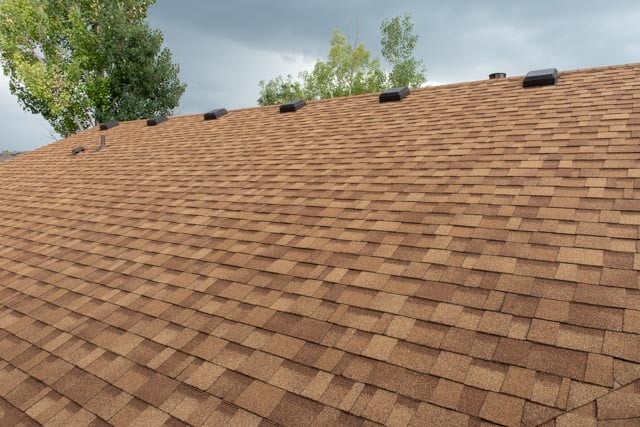
Asphalt shingles are available in a wide range of colors and styles, making them adaptable to nearly any home design. They’re also relatively lightweight, which means most homes can support them without additional structural work.
Architectural Shingles: Enhanced Performance and Style
For those seeking a balance of performance and visual appeal, architectural shingles are a step up from standard three-tab varieties. Their multi-layered construction provides better protection against wind, hail, and heavy rain. Many brands offer extended warranties, reflecting their increased durability.
Architectural shingles can mimic the look of wood shakes or slate, offering homeowners a premium appearance without the high cost or maintenance. Their improved thickness also helps with sound insulation and can slightly boost energy efficiency by providing more thermal mass.
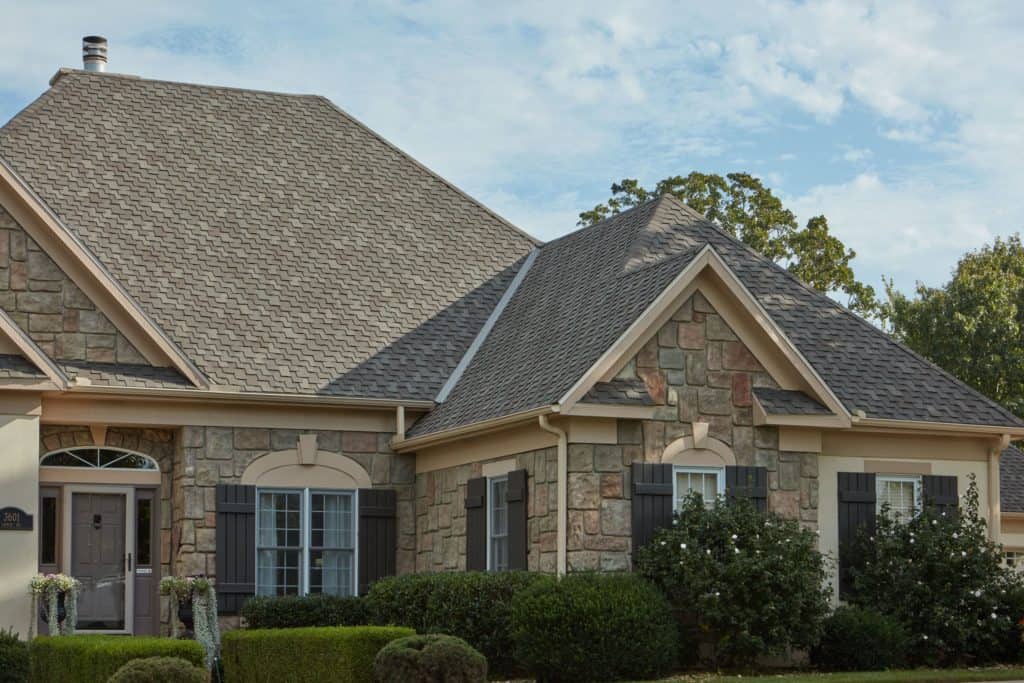
When considering architectural shingles, be sure to review the manufacturer’s ratings for wind and impact resistance, especially if you live in an area prone to storms. Their higher upfront cost is often offset by longer lifespan and fewer repairs over time.
Other Top Shingle Materials for Residential Roofs
While asphalt-based options dominate the market, several other materials are worth considering for their unique benefits:
- Wood Shingles and Shakes: These provide a rustic, natural appearance and can last up to 30 years with proper care. However, they are more susceptible to fire and require regular maintenance to prevent rot and insect damage.
- Metal Shingles: Made from steel, aluminum, or copper, these are lightweight, fire-resistant, and can last 40–70 years. They’re ideal for homes in regions with heavy snow or wildfire risk.
- Slate and Synthetic Slate: Natural slate is extremely durable and can last a century or more, but it’s heavy and expensive. Synthetic slate offers similar looks with less weight and lower cost, though still pricier than asphalt.
- Clay and Concrete Tiles: These are common in Mediterranean and Southwestern architecture. They’re non-combustible and long-lasting but require a reinforced roof structure due to their weight.
Each of these materials has its own installation requirements and maintenance needs. For a comprehensive approach to keeping your shingles in top shape, consult a roofing maintenance schedule to maximize their lifespan.
Key Factors When Selecting Shingles
To find the most suitable shingle for your home, consider the following:
- Climate: Choose shingles rated for your region’s weather. For example, impact-resistant shingles are best for hail-prone areas, while algae-resistant options are ideal for humid climates.
- Budget: Asphalt shingles are generally the most cost-effective, while slate and metal come at a premium.
- Home Style: Select a color and texture that complements your home’s architecture. Many manufacturers offer design tools to help visualize different options.
- Longevity: Consider how long you plan to stay in your home. Investing in longer-lasting materials may make sense for your situation.
- Installation and Maintenance: Some materials require specialized installation or ongoing care. Factor in these costs when making your decision.
Regular inspections are essential to catch issues early. Use a roof inspection guide to safely check for damage or wear.
Installation and Maintenance Tips
Even the highest quality shingles need proper installation and care to perform their best. Here are some practical tips:
- Hire a reputable contractor with experience installing your chosen shingle type. For advice on selecting a professional, see this roofing contractor guide.
- Schedule regular inspections, especially after severe weather events.
- Keep gutters clean to prevent water backup and shingle damage.
- Trim overhanging branches to reduce debris and moss growth.
- Address minor repairs promptly to avoid larger, more costly issues.
For common issues like leaks or missing shingles, refer to a common roofing problems guide to identify and resolve problems quickly.
Frequently Asked Questions
How long do residential roofing shingles typically last?
The lifespan of roofing shingles depends on the material. Standard asphalt shingles last about 15–20 years, while architectural asphalt can last 25–30 years. Metal, slate, and tile options can last 40 years or more with proper maintenance.
What is the best shingle type for harsh weather conditions?
Architectural asphalt shingles and metal shingles are both excellent for areas with high winds, hail, or heavy snow. Look for products with high impact and wind ratings, and consider algae-resistant options for humid climates.
Can I install new shingles over old ones?
In some cases, it’s possible to install a new layer of shingles over an existing one, but this depends on local building codes and the condition of the current roof. It’s generally best to remove old shingles to inspect the decking and ensure a longer-lasting result.
Making the right choice for your home’s roof involves balancing cost, durability, appearance, and climate needs. By understanding the strengths of each shingle type and following best practices for installation and maintenance, you can ensure your roof protects your home for years to come.