As the demand for sustainable construction continues to rise, more homeowners and builders are turning to solar roofing and green building practices. These approaches not only reduce environmental impact but also offer long-term cost savings, improved energy efficiency, and increased property value. Understanding how solar-integrated roofs fit into the broader context of eco-friendly construction can help you make informed choices for your next project or renovation.
This article explores the fundamentals of solar-integrated roofing, the principles of green building, and how these two strategies work together to create efficient, resilient, and environmentally responsible homes. You’ll also find practical tips, important considerations, and answers to common questions about adopting these technologies.
If you’re interested in the impact of solar installations on energy self-sufficiency, the article solar roofing energy independence provides a deeper look at how these systems can help you rely less on the grid.
Understanding Solar Roof Technology
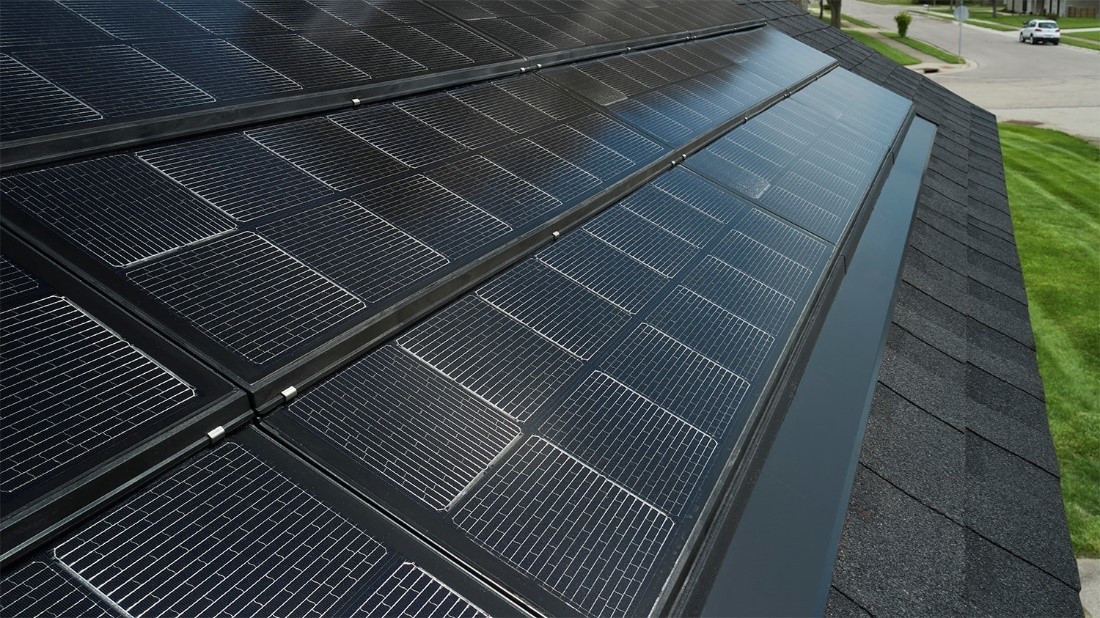
Solar roofing refers to the integration of photovoltaic (PV) cells directly into roofing materials, such as shingles or tiles. Unlike traditional solar panels that are mounted on top of existing roofs, these systems become a functional part of the building envelope. This seamless approach improves aesthetics, reduces installation complexity, and can enhance the durability of the roof itself.
There are several types of solar-integrated roofing products available:
- Solar shingles: These look like regular asphalt shingles but contain embedded PV cells.
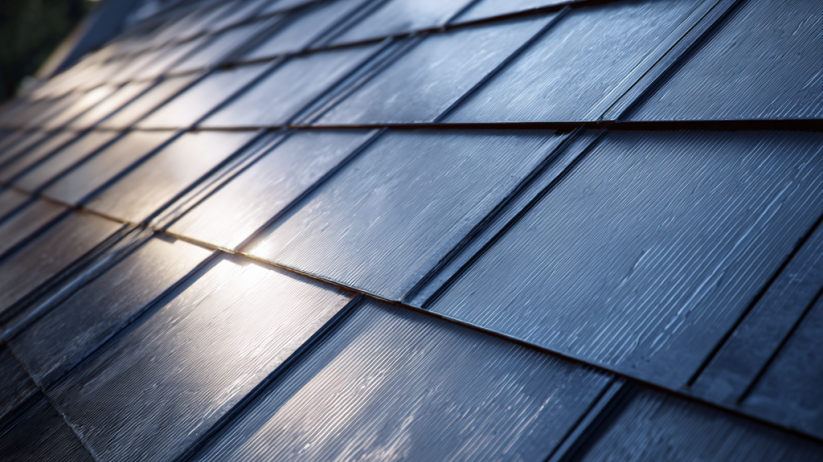
- Solar tiles: Often made from glass or ceramic, these tiles are designed to blend with clay or slate roofs.
- Solar metal roofs: Metal panels with integrated solar technology, suitable for both residential and commercial buildings.
Each option offers a different balance of cost, efficiency, and appearance. For a detailed breakdown of the pros and cons, check out this guide to the advantages and disadvantages of solar shingles.
Key Principles of Green Building
Green building is a holistic approach to design and construction that prioritizes environmental responsibility, resource efficiency, and occupant health. When combined with solar roofing, these principles can significantly reduce a building’s carbon footprint and operational costs.
The core elements of green building include:
- Energy efficiency: Using insulation, high-performance windows, and efficient HVAC systems to minimize energy use.
- Water conservation: Incorporating low-flow fixtures, rainwater harvesting, and drought-resistant landscaping.
- Sustainable materials: Choosing products with recycled content, low emissions, and responsible sourcing.
- Indoor air quality: Selecting paints, finishes, and materials that reduce pollutants and improve comfort.
- Site optimization: Positioning buildings to maximize natural light and ventilation, and minimize environmental disruption.
Integrating solar roofs into green building projects amplifies these benefits by generating clean electricity on-site and reducing reliance on fossil fuels.
Benefits of Combining Solar Roofs with Eco-Friendly Construction
The synergy between solar roofing and green building methods delivers a range of advantages for both homeowners and the environment:
- Lower utility bills: On-site solar generation can offset a significant portion of your electricity use.
- Reduced carbon emissions: Clean energy production and efficient building design work together to minimize your environmental impact.
- Increased property value: Homes with solar features and green certifications often command higher resale prices.
- Enhanced comfort: Better insulation, air quality, and natural lighting contribute to a healthier living environment.
- Potential incentives: Many regions offer tax credits, rebates, or other financial incentives for solar and green building upgrades.
For more on how these systems help the planet, see the solar roofing environmental benefits article.
Choosing the Right Solar Roofing System
Selecting the best solar-integrated roof depends on your budget, climate, roof type, and aesthetic preferences. Here are some steps to guide your decision:
- Assess your roof’s condition: Solar shingles and tiles require a structurally sound roof. If your roof is nearing the end of its life, consider replacing it before installing solar products.
- Evaluate sunlight exposure: The more direct sunlight your roof receives, the more energy your system can generate.
- Compare product options: Research different brands, warranties, and efficiency ratings. Some products are better suited for certain climates or architectural styles.
- Consult with professionals: A qualified solar installer can help you design a system that meets your needs and complies with local codes.

Installation and Maintenance Considerations
Proper installation is critical for maximizing the performance and lifespan of solar-integrated roofs. Work with certified installers who have experience with the specific product you’ve chosen. Pay attention to:
- Permitting and inspections: Ensure all local building codes and utility requirements are met.
- Roof orientation and tilt: Optimal angles can boost energy production.
- Electrical integration: Systems must be safely connected to your home’s electrical panel and, if applicable, the grid.
Maintenance for solar-integrated roofs is generally minimal. Regularly remove debris and check for damage after severe weather. Using a specialized cleaning brush can help keep panels efficient without harming the roof surface.
Financial and Environmental Impact
While the upfront investment for solar-integrated roofing can be higher than traditional options, the long-term savings and environmental benefits are substantial. Over time, lower energy bills and potential incentives can offset the initial costs.
The solar roofing payback period varies depending on system size, local electricity rates, and available incentives. Many homeowners see a return on investment within 7 to 12 years.
By generating clean energy and reducing reliance on nonrenewable resources, these systems contribute to a more sustainable future. For those interested in quantifying their impact, the solar roofing carbon footprint reduction guide offers practical insights.
Common Challenges and Solutions
Adopting solar roofing and green building methods comes with some challenges, but most can be addressed with careful planning:
- Upfront costs: Financing options, tax credits, and rebates can help make these upgrades more affordable.
- Product compatibility: Not all solar products are suitable for every roof type. Consult with manufacturers and installers to ensure a good fit.
- Local regulations: Some areas have strict guidelines for solar installations. Early research and permitting can prevent delays.
- Maintenance concerns: Choose products with strong warranties and follow recommended care routines to maximize lifespan.
Frequently Asked Questions
How long do solar-integrated roofs last?
Most solar shingles and tiles are designed to last 25 to 30 years, similar to high-quality traditional roofing materials. Many products come with warranties that cover both power output and roof integrity.
Can I install solar shingles on an older roof?
It’s best to install solar-integrated roofing on a new or recently replaced roof. If your existing roof is nearing the end of its lifespan, consider replacing it before adding solar products to ensure long-term performance and avoid extra costs later.
Are there incentives for installing solar roofs and green building features?
Many regions offer financial incentives such as tax credits, rebates, and grants for solar installations and green building upgrades. Check with your local government and utility providers for current programs.
Conclusion
Embracing solar roofing and green building practices is a practical way to reduce your environmental impact, lower energy costs, and create a more comfortable home. By understanding the available technologies, planning carefully, and working with experienced professionals, you can achieve both sustainability and long-term value in your next building or renovation project.