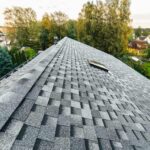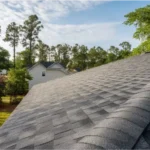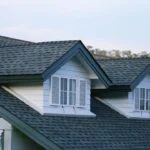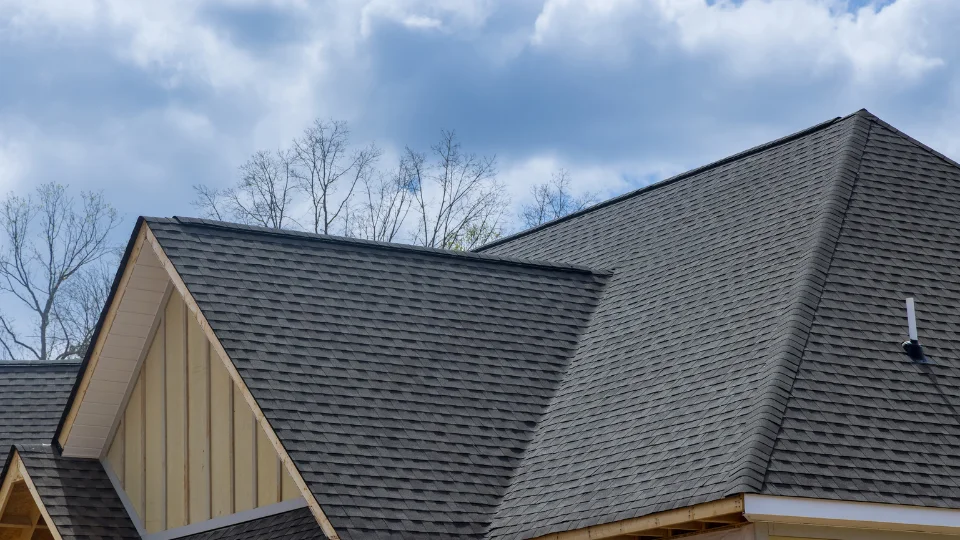
Choosing the right roofing material is a major decision for any homeowner. Among the most popular options are asphalt shingles, which come in two main styles: 3-tab and architectural. Understanding the lifespan of shingles is essential for planning maintenance, budgeting for replacements, and ensuring your home stays protected for years to come. This article explores how long each type typically lasts, what factors influence their durability, and how you can maximize the value of your investment.
Whether you’re replacing an old roof or building a new home, knowing the differences between 3-tab and architectural shingles can help you make an informed choice. We’ll also share practical tips and resources, including how to prevent shingle damage and extend your roof’s service life.
Understanding Asphalt Shingles and Their Construction
Asphalt shingles are the most widely used roofing material in North America. Their popularity comes from affordability, ease of installation, and a range of styles to suit different tastes. There are two primary types:
- 3-tab shingles: These are flat, single-layered, and have a uniform appearance. They are lighter and generally less expensive.
- Architectural (dimensional) shingles: These are thicker, multi-layered, and have a more textured, dimensional look. They are designed to mimic the appearance of wood shakes or slate.
The composition of both types typically includes a fiberglass mat, asphalt coating, and mineral granules. The quality of materials and manufacturing processes directly impacts the lifespan of shingles. For a deeper dive into what makes up asphalt shingles and why it matters, see this comprehensive guide on asphalt shingle composition.
How Long Do 3-Tab Shingles Last?
3-tab shingles are often marketed as “20-year” or “25-year” products, but real-world conditions can shorten or extend their service life. On average, you can expect 3-tab shingles to last between 15 and 20 years under typical conditions. Factors such as climate, roof pitch, installation quality, and maintenance play a significant role in determining actual longevity.
Some of the main reasons 3-tab shingles may not reach their maximum advertised lifespan include:
- Exposure to severe weather (hail, high winds, heavy rain)
- Poor attic ventilation causing heat buildup
- Improper installation or inadequate underlayment
- Lack of regular inspections and maintenance
Routine care and prompt repairs can help you get the most out of your 3-tab roof. For step-by-step advice, check out these tips on how to repair asphalt shingles if you notice damage early.
Architectural Shingles: Durability and Expected Service Life
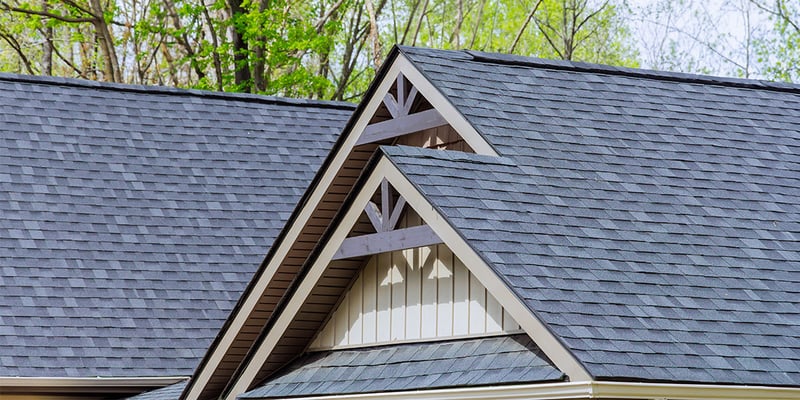
Architectural shingles are engineered for greater durability and aesthetic appeal. Thanks to their multi-layered construction, they are more resistant to wind, impact, and general wear. Most manufacturers offer warranties ranging from 30 to 50 years for these products, but the typical real-world lifespan is 25 to 30 years—sometimes longer with optimal conditions.
Key benefits that contribute to their extended longevity include:
- Heavier weight and thicker profile, which improves wind and impact resistance
- Better granule retention, reducing UV damage
- Enhanced waterproofing and protection against leaks
Architectural shingles are a smart investment for homeowners seeking a longer-lasting roof with less frequent replacement cycles. For those interested in maximizing their roof’s durability, learning about extending roof lifespan can provide actionable strategies.
Comparing 3-Tab and Architectural Shingles: Which Lasts Longer?
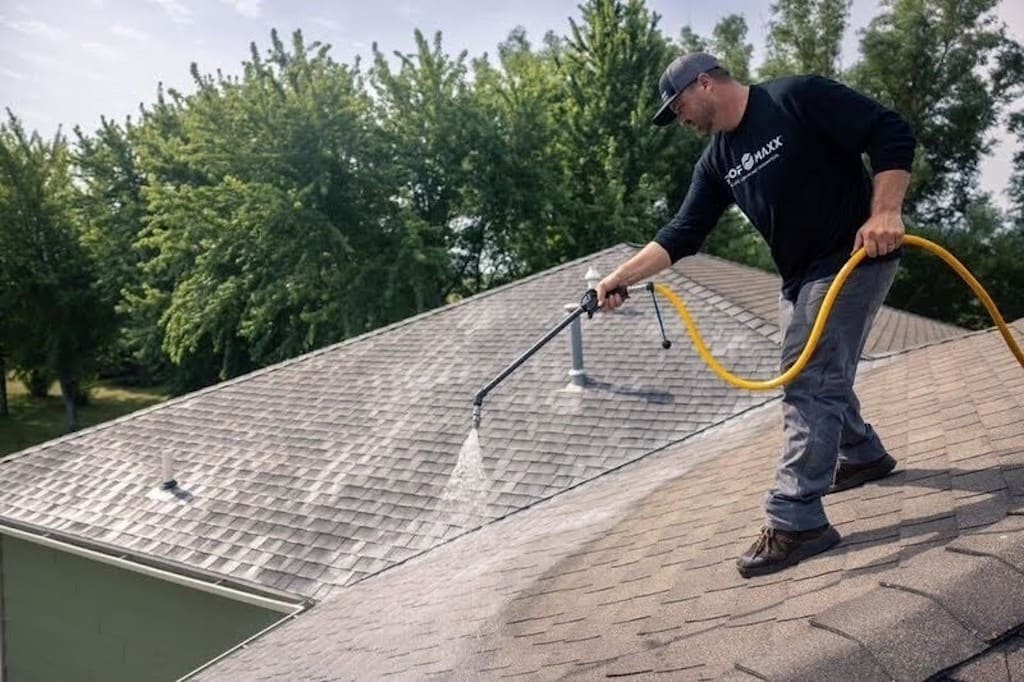
When comparing the lifespan of shingles between these two types, architectural shingles consistently outperform 3-tab varieties. Here’s a quick summary:
| Shingle Type | Average Lifespan | Typical Warranty |
|---|---|---|
| 3-Tab | 15–20 years | 20–25 years |
| Architectural | 25–30+ years | 30–50 years |
While 3-tab shingles are more budget-friendly upfront, architectural shingles offer a longer service life and better protection, often resulting in lower long-term costs due to fewer replacements and repairs.
Factors That Influence the Longevity of Your Roof
Several variables can impact how long your shingles will last, regardless of type:
- Climate: Extreme heat, cold, wind, and hail can accelerate wear.
- Roof Pitch: Steeper roofs shed water better, reducing moisture-related damage.
- Installation Quality: Proper installation is critical for preventing leaks and premature failure.
- Ventilation: Good attic ventilation prevents heat buildup and moisture accumulation.
- Maintenance: Regular inspections, cleaning, and prompt repairs extend roof life.
For homeowners dealing with leaks or damage, learning about asphalt shingle roof repair can help address issues before they shorten your roof’s lifespan.
Maintenance Tips to Maximize Shingle Life
To get the most out of your roofing investment, consider these practical steps:
- Inspect your roof at least twice a year and after major storms.
- Clear debris such as leaves and branches that can trap moisture.
- Address moss or algae growth promptly to prevent shingle deterioration.
- Ensure gutters and downspouts are clear to prevent water backup.
- Repair damaged or missing shingles immediately to avoid leaks.
- Use quality sealants and replacement materials for repairs.
For more on keeping your roof in top condition, see these tips for asphalt roof leak repair and maintenance.
FAQ: Common Questions About Shingle Lifespan
What shortens the life of asphalt shingles the most?
Severe weather, poor ventilation, improper installation, and neglecting maintenance are the main factors that can reduce the expected service life of both 3-tab and architectural shingles.
Can you extend the life of your shingles beyond the average?
Yes, with regular inspections, prompt repairs, and proper attic ventilation, it’s possible to exceed the average lifespan. Using high-quality materials and following best practices for care also helps.
How do you know when it’s time to replace your shingles?
Signs include curling or cracked shingles, missing granules, frequent leaks, and visible sagging. If your roof is approaching the end of its expected lifespan, a professional inspection is recommended.
Are architectural shingles worth the higher cost?
For most homeowners, the longer lifespan, improved durability, and enhanced appearance of architectural shingles justify the higher initial investment, especially in regions with harsh weather.
Conclusion
Understanding the lifespan of shingles is key to making the best choice for your home and budget. While 3-tab shingles offer a lower upfront cost, architectural shingles provide superior durability and a longer service life. By considering your local climate, investing in quality installation, and maintaining your roof regularly, you can ensure your home stays protected for decades. For more guidance on roof care and maximizing your investment, explore resources on extending roof lifespan and related maintenance topics.