Keeping your roof in good condition is essential for protecting your home from the elements and avoiding costly repairs. Over time, even the best roofs can develop issues due to weather, aging materials, or improper installation. This common roofing problems guide will help you recognize frequent trouble spots, understand what causes them, and learn practical solutions to address or prevent damage.
Whether you’re a homeowner looking to maintain your roof or planning a replacement, understanding these issues is the first step to a safer, longer-lasting home. For those starting their research, the roofing checklist for homeowners provides a helpful overview of what to watch for during inspections and maintenance.
Spotting the Most Frequent Roofing Issues
Roofs are exposed to harsh weather, temperature changes, and debris year-round. As a result, certain problems tend to appear more often than others. Here are some of the most common issues homeowners encounter:
- Leaking and water intrusion: Water stains on ceilings or walls often indicate a leak. Causes can include missing shingles, damaged flashing, or clogged gutters.
- Damaged or missing shingles: Shingles may curl, crack, or go missing due to wind, hail, or age. This exposes the underlayment and wood deck to moisture.
- Poor ventilation: Inadequate airflow in the attic can cause heat and moisture buildup, leading to mold, rot, or premature shingle failure.
- Flashing failures: Flashing seals roof joints and penetrations (like chimneys and vents). If it rusts, cracks, or pulls away, leaks can develop.
- Sagging roof deck: A sagging appearance may signal structural problems, water damage, or excessive weight from snow or debris.
- Gutter problems: Clogged or damaged gutters can cause water to back up under shingles or overflow near the foundation.
Regular inspections and prompt repairs can prevent minor problems from escalating. For a deeper dive into asphalt shingle options and their advantages, see this asphalt roof buying guide.
Understanding the Causes Behind Roof Damage
Knowing what leads to roofing issues helps you take preventive measures. Here are some of the main culprits:
- Weather extremes: Heavy rain, snow, hail, and strong winds can all damage roofing materials over time.
- Poor installation: Incorrectly installed shingles, flashing, or underlayment can leave your roof vulnerable from the start.
- Lack of maintenance: Ignoring routine cleaning and inspections allows small issues to worsen.
- Age of materials: Even the best roofs have a lifespan. Asphalt shingles, for example, typically last 15–30 years.
- Tree debris: Overhanging branches can scrape shingles or drop leaves and twigs that trap moisture.
Addressing these factors early can extend the life of your roof and reduce the risk of major repairs.

How to Identify Roofing Issues Early
Early detection is key to minimizing damage and repair costs. Here’s what to look for during a visual inspection:
- Check for missing, curled, or cracked shingles from ground level or with binoculars.
- Look for granule loss in gutters or at the base of downspouts, which signals aging shingles.
- Inspect flashing around chimneys, vents, and skylights for rust, gaps, or lifting edges.
- Examine the attic for signs of water stains, mold, or daylight peeking through the roof boards.
- Monitor for sagging areas or uneven rooflines, which may indicate structural issues.
- Check gutters and downspouts for blockages or leaks that could cause water to back up onto the roof.
For a step-by-step approach to roof maintenance, the roofing tips for homeowners resource offers practical advice for regular upkeep.
Fixing and Preventing Common Roofing Problems
Once you’ve identified a problem, taking the right action can prevent further damage. Here’s how to address some of the most frequent issues:
Repairing Leaks and Water Damage
- Locate the source of the leak, which may be uphill from where water appears inside.
- Replace damaged shingles or tiles. Use a high-quality sealant to patch small cracks or holes.
- Reseat or replace flashing as needed to ensure a watertight seal.
Products like roof sealants can provide a temporary fix until a professional can assess the situation. For more on shingle types and their advantages, see this overview of asphalt shingle roofing types and benefits.
Replacing Damaged or Missing Shingles
- Carefully remove the damaged shingle and any nails holding it in place.
- Slide a new shingle into position and secure it with roofing nails.
- Apply roofing cement under the edges to seal and prevent wind uplift.
When replacing multiple shingles or considering a full roof replacement, consult the complete roofing guide asphalt shingles for detailed information on materials and installation best practices.
Improving Roof Ventilation and Preventing Mold
- Ensure soffit and ridge vents are clear of debris and functioning properly.
- Install additional vents if necessary to promote airflow and reduce attic moisture.
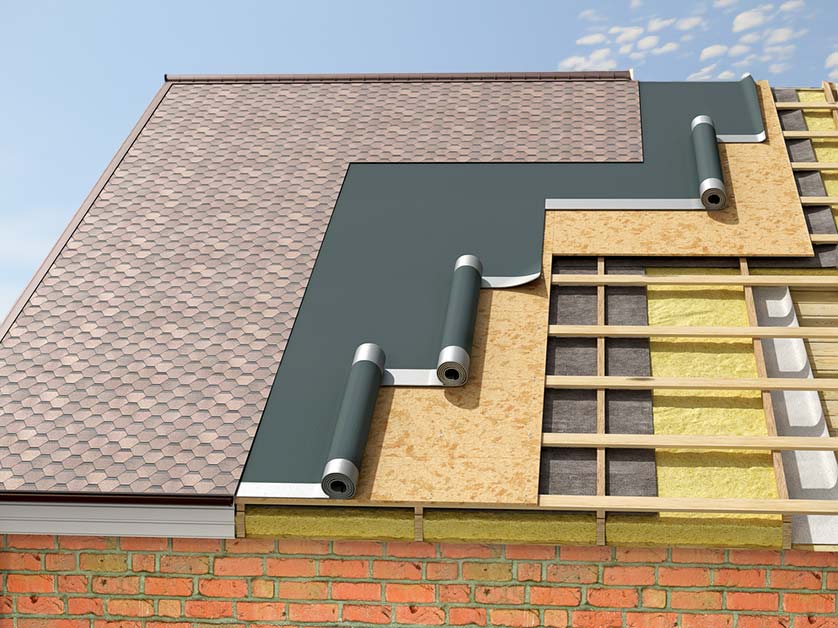
- Use vapor barriers and insulation to control condensation and temperature extremes.
Proper ventilation not only prevents mold but also extends the lifespan of your roofing materials.
When to Call a Professional Roofer
While many minor repairs can be handled by a handy homeowner, some situations require expert attention. Contact a licensed roofing contractor if you notice:
- Extensive leaks or widespread water damage
- Structural sagging or signs of rot
- Storm damage affecting large roof areas
- Persistent ventilation or mold issues
Professional roofers have the equipment and experience to safely address complex problems and ensure your roof meets local building codes.
Maintenance Tips to Prevent Future Problems
Routine care is the best defense against costly repairs. Here are some maintenance tips to keep your roof in top shape:
- Inspect your roof at least twice a year and after major storms.
- Clean gutters and downspouts regularly to prevent water backup.
- Trim overhanging branches to reduce debris and prevent damage.
- Address minor issues promptly before they escalate.
- Keep attic insulation and ventilation in good condition.
For those new to homeownership, the beginner guide to asphalt roofs covers the basics of roof care and what to expect from different materials.
Frequently Asked Questions
How often should I inspect my roof for problems?
It’s recommended to inspect your roof at least twice a year—once in the spring and once in the fall. Additional checks after severe weather events can help catch issues early.
What are the signs that my roof needs to be replaced?
Common signs include widespread shingle damage, persistent leaks, sagging areas, and visible daylight through the attic. If your roof is nearing the end of its expected lifespan, consider a professional evaluation.
Can I repair roof leaks myself?
Small leaks and minor shingle damage can often be repaired by homeowners with the right tools and materials. However, if the source is unclear or the damage is extensive, it’s best to consult a professional roofer.
What is the average lifespan of an asphalt shingle roof?
Asphalt shingles typically last 15–30 years, depending on the quality of materials, installation, and maintenance. Regular care can help maximize their lifespan.
How can I improve my roof’s ventilation?
Ensure existing vents are clear and unobstructed. If your attic feels excessively hot or humid, consult a roofing professional about adding more vents or upgrading your ventilation system.