Choosing the best angle for solar roofing is one of the most important decisions when planning a solar installation. The tilt of your solar panels directly affects how much sunlight they capture, which in turn determines the energy output and overall efficiency of your system. Homeowners and property managers looking to maximize their investment in solar technology need to understand how roof pitch, geographic location, and other factors influence the optimal angle for solar shingles or panels.
In this guide, we’ll break down the science behind solar panel orientation, explore how to calculate the ideal tilt for your location, and discuss practical considerations for both new installations and retrofits. Whether you’re upgrading an existing roof or planning a new build, understanding the principles behind solar panel angling will help you get the most out of your renewable energy system.
Before diving into the technical details, it’s helpful to consider the broader context of your roofing project. If you’re also thinking about replacing your shingles or upgrading your roof, check out our roof upgrade cost guide for insights on budgeting and material choices.
Understanding Solar Panel Tilt and Orientation
The angle at which solar panels are installed—known as the tilt or pitch—determines how directly sunlight hits the surface. For maximum efficiency, panels should face the sun as directly as possible throughout the year. In the northern hemisphere, this usually means orienting panels toward true south, while in the southern hemisphere, true north is preferred.
The tilt angle is typically measured relative to the horizontal plane. A flat roof has a 0-degree pitch, while a vertical wall is 90 degrees. Most residential roofs fall somewhere in between, with common pitches ranging from 15 to 45 degrees.
How Latitude Influences the Ideal Solar Angle
The best angle for solar roofing is closely linked to your geographic latitude. As a general rule, the optimal tilt for fixed solar panels is approximately equal to the latitude of your location. For example, if you live at 35° latitude, setting your panels at a 35° angle will maximize annual energy production.
However, this rule can be adjusted based on seasonal priorities. If you want to maximize winter output, increase the tilt by 10–15 degrees above your latitude. For summer optimization, decrease the tilt by 10–15 degrees. These adjustments help capture more sunlight during periods when the sun’s path is higher or lower in the sky.
For a deeper dive into how environmental factors affect solar performance, you can review this scientific analysis of solar panel orientation and efficiency.
Roof Pitch and Its Impact on Solar Installations
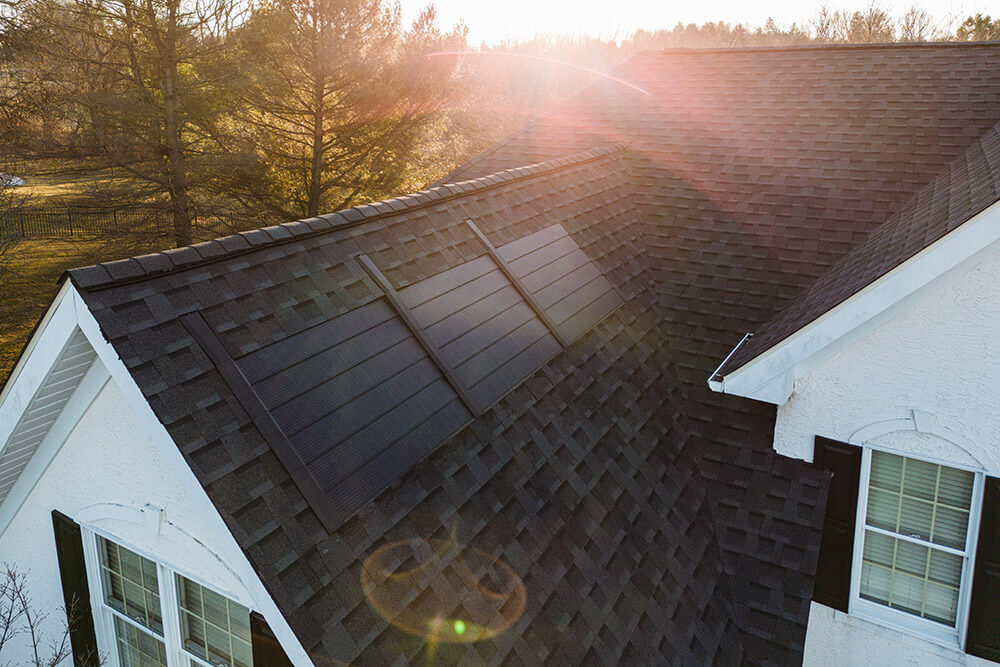
Most homes have a fixed roof pitch, so the angle of your existing roof will often determine the tilt of your solar panels or shingles. Here’s how different roof types affect solar performance:
- Steep roofs (30–45°): Often ideal for locations at higher latitudes, as the steep angle helps capture lower winter sun.
- Moderate roofs (15–30°): Well-suited for most U.S. locations, balancing year-round output.
- Flat roofs (0–10°): Require mounting systems to angle panels toward the sun, which may add to installation costs.
If your roof’s pitch is not ideal, installers can use racking systems to adjust the tilt. However, this is more common with traditional solar panels than with integrated solar shingles, which usually follow the roof’s existing slope.
Calculating the Right Tilt for Your Solar Roof
To determine the most effective angle for your solar installation, follow these steps:
- Find your home’s latitude using a GPS device or online map.
- Decide whether you want to maximize annual, summer, or winter output.
- Set the tilt equal to your latitude for balanced year-round performance.
- Adjust by ±10–15 degrees if you want to prioritize a specific season.
For example, a home in Atlanta, Georgia (latitude 33°) would ideally have solar panels tilted at 33°. If winter production is a priority, tilting the panels to 43–48° may be beneficial.
Keep in mind that shading, roof obstructions, and local climate can also affect the best setup. A professional installer will use specialized tools to model your roof and recommend the optimal configuration.
Solar Shingles vs. Traditional Panels: Angle Considerations
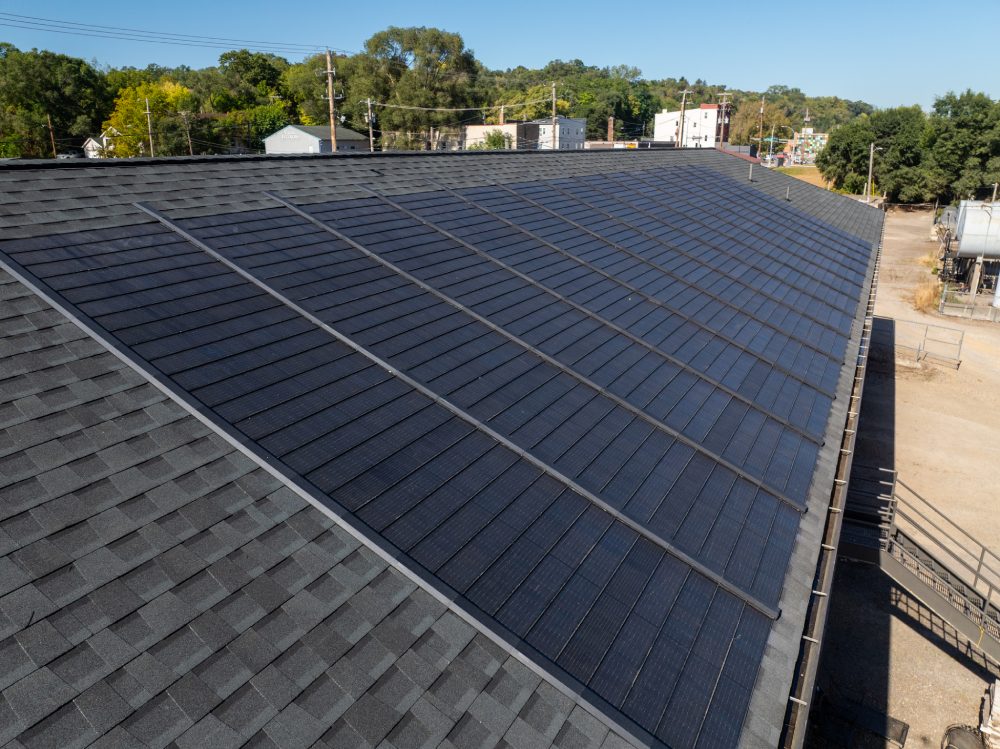
Integrated solar shingles are designed to blend seamlessly with your roof, but they generally follow the existing roof pitch. This means that if your roof is not at the ideal angle, you may see slightly reduced efficiency compared to adjustable panel systems. However, the aesthetic and structural benefits often outweigh minor losses in output.
Traditional solar panels can be mounted on racks that adjust the tilt, making them more flexible for flat or low-slope roofs. If you’re considering a full roof replacement, it’s worth consulting both a roofing contractor and a solar specialist to coordinate the best outcome. For more on planning a new installation, see our asphalt roof replacement guide.
Other Factors That Influence Solar Roofing Performance
While the tilt is crucial, several other elements impact the effectiveness of your solar roof:
- Orientation: Panels facing due south (in the northern hemisphere) or due north (in the southern hemisphere) receive the most sunlight.
- Shading: Trees, chimneys, and nearby buildings can reduce output. Even partial shading can have a significant effect.
- Roof condition: Damaged or aging roofs may need repairs or replacement before installing solar. For signs that your roof needs attention, refer to our guide on asphalt roof failure signs.
- Local regulations: Some municipalities have rules about panel placement, height, or visibility from the street.
It’s also important to avoid common pitfalls during installation. For tips on what to watch out for, see our article on roofing mistakes to avoid.
Maintenance and Longevity of Solar Roofing Systems
Once your solar roof is installed at the optimal angle, regular maintenance will keep it performing at its best. This includes periodic cleaning to remove dust, leaves, and debris, as well as inspections for any signs of wear or damage. Using the right tools, such as a dedicated roof cleaning brush, can help maintain both the panels and the roofing material underneath.
Properly angled and well-maintained solar installations can deliver reliable energy savings for decades, making them a smart investment for eco-conscious homeowners.
Frequently Asked Questions
What if my roof’s angle isn’t ideal for solar?
If your roof pitch doesn’t match the recommended tilt for your latitude, you can still achieve good results. Modern solar panels are efficient enough that small deviations from the ideal angle have only a minor impact on total output. For flat or very low-slope roofs, mounting systems can be used to adjust the tilt.
Can I install solar shingles on any type of roof?
Solar shingles work best on roofs with pitches between 15 and 45 degrees. While they can be installed on steeper or flatter roofs, efficiency may decrease. Consult with a solar roofing specialist to determine if your home is a good candidate.
How much energy difference does angle make?
The tilt of your solar panels can affect annual energy production by 10–25%. Panels installed at the optimal angle for your location will consistently outperform those set too flat or too steep, especially during winter months when the sun is lower in the sky.
Is it worth adjusting the angle seasonally?
While adjustable racking systems allow for seasonal tilt changes, most residential installations use a fixed angle for simplicity and durability. The gains from seasonal adjustment are usually modest compared to the added complexity and cost.
Where can I learn more about roof replacement and solar integration?
For a step-by-step overview of planning a new roof with solar in mind, visit our asphalt roof replacement guide or explore our resources on replacing old asphalt roof for full tear-off projects.