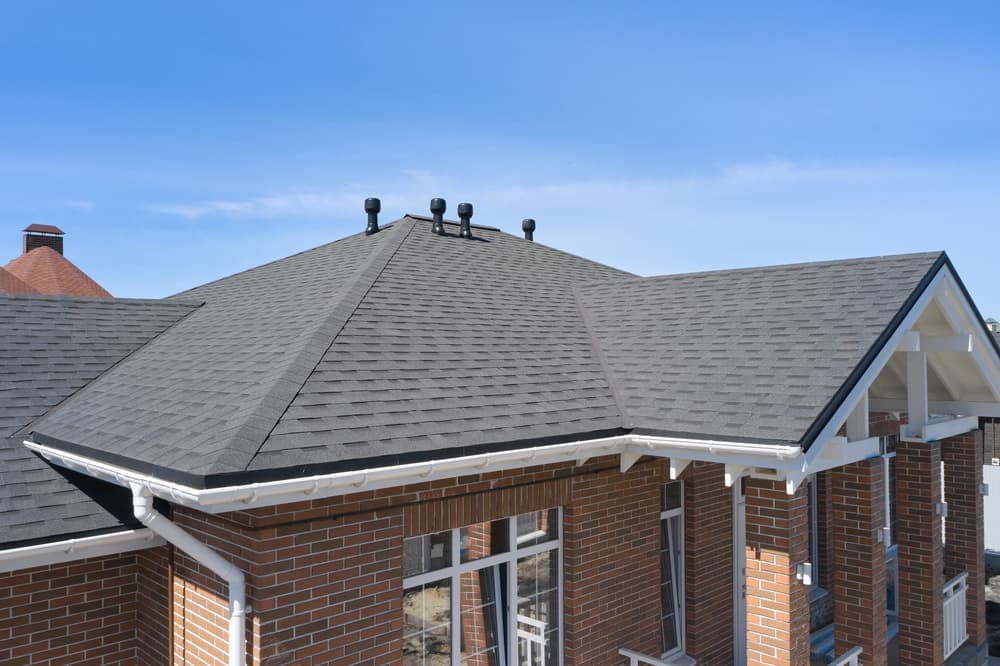
Proper airflow in your attic is one of the most overlooked aspects of maintaining a healthy roof. Many homeowners focus on shingle quality, installation, and repairs, but the roof ventilation importance cannot be overstated. Without adequate ventilation, even the best asphalt shingles are at risk of premature aging, moisture damage, and costly repairs. This article explains why effective attic airflow is essential for safeguarding your investment in asphalt roofing, how it works, and what you can do to ensure your home is protected.
Understanding the basics of attic airflow and its impact on shingle performance can help you prevent common roofing problems. If you’re considering a new roof or want to maximize the lifespan of your current one, learning about ventilation is a smart first step. For those interested in warranty coverage details, you can find more information in our guide on roofing warranty asphalt shingles.
Why Proper Attic Airflow Matters for Asphalt Shingles
Attic ventilation is the process of allowing fresh air to enter and exit your attic space. This exchange of air helps regulate temperature and moisture levels under your roof. When airflow is restricted, heat and humidity can build up, causing several problems for asphalt shingles:
- Premature aging: Excessive heat can cause shingles to dry out, crack, and lose their protective granules faster than expected.
- Moisture damage: Trapped humidity can lead to condensation, which promotes mold, mildew, and rot in the roof deck and insulation.
- Ice dams: In colder climates, poor ventilation can cause uneven roof temperatures, leading to ice dams that damage shingles and gutters.
- Voided warranties: Many manufacturers require proper attic airflow as a condition for warranty coverage on asphalt shingles.
These issues not only shorten the lifespan of your roof but can also increase your energy bills and create unhealthy conditions inside your home.
How Roof Ventilation Works: The Basics
Effective attic airflow relies on a balance between intake and exhaust vents. Intake vents, typically located at the eaves or soffits, allow cool, fresh air to enter the attic. Exhaust vents, found near the roof ridge or high on the roof, let hot, moist air escape. This continuous movement of air helps maintain a stable environment beneath your shingles.
There are several types of vents commonly used in residential roofing:
- Ridge vents: Installed along the peak of the roof for continuous exhaust.
- Soffit vents: Placed under the eaves to provide intake airflow.
- Gable vents: Located on the end walls of the attic for additional ventilation.
- Box vents: Static vents placed near the roof ridge for exhaust.
The right combination depends on your roof’s design, attic size, and local climate. A balanced system ensures that air flows efficiently from intake to exhaust, preventing hot spots and moisture accumulation.
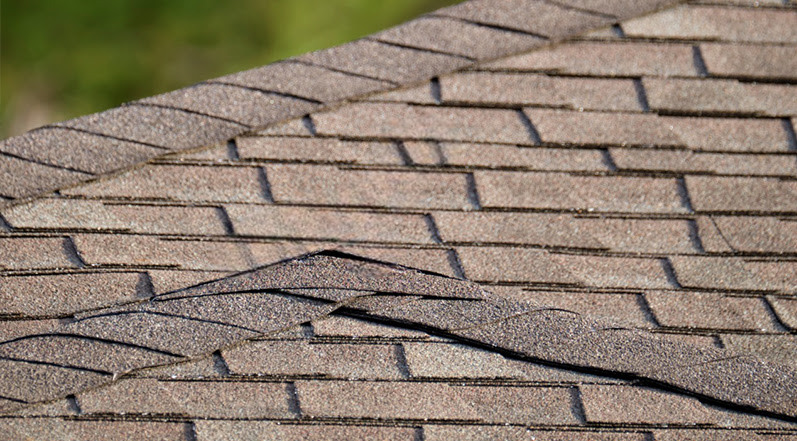
Signs of Poor Ventilation and Its Impact on Shingle Longevity
Recognizing the warning signs of inadequate attic airflow can help you address problems before they escalate. Some common indicators include:
- Hot attic temperatures: If your attic feels excessively warm, especially in summer, airflow may be restricted.
- Curled or cracked shingles: Heat buildup can cause shingles to warp or split prematurely.
- Mold or mildew in the attic: Persistent moisture is a clear sign of poor ventilation.
- Frost or condensation: In winter, moisture on rafters or insulation points to trapped humidity.
- Ice dams: Icicles along the eaves and water stains inside your home may result from uneven roof temperatures.
Addressing these issues promptly can extend the life of your asphalt shingles and prevent more serious damage. For more tips on recognizing when it’s time for a new roof, see our article on signs you need a new roof.
Best Practices for Maintaining Attic Airflow
To maximize the benefits of attic airflow and protect your shingles, consider these best practices:
- Inspect vents regularly: Check that intake and exhaust vents are clear of debris, insulation, or animal nests.
- Balance intake and exhaust: Ensure you have an equal amount of intake and exhaust venting for optimal airflow.
- Seal attic bypasses: Close gaps around light fixtures, pipes, and chimneys to prevent conditioned air from escaping into the attic.
- Upgrade insulation: Proper insulation works with ventilation to maintain consistent attic temperatures.
- Consult a professional: If you’re unsure about your attic’s airflow, a roofing contractor can assess your system and recommend improvements.
Following these steps can help you avoid common problems and keep your asphalt shingles performing at their best.

Choosing the Right Ventilation for Your Home
Every roof is different, and the ideal ventilation setup depends on your home’s architecture, climate, and roofing materials. Here are a few tips for selecting the right system:
- Assess your attic size: Larger attics require more venting to ensure adequate airflow.
- Consider local weather: Homes in hot, humid, or snowy climates may need specialized solutions.
- Match vents to your roof style: Some roofs work best with ridge and soffit vents, while others may benefit from gable or box vents.
- Follow manufacturer guidelines: Check the recommendations for your specific asphalt shingles to maintain warranty coverage.
If you’re planning a roof replacement or upgrade, consult with a qualified contractor to design a balanced ventilation system. For help selecting the best materials, our resource on best roofing shingles for homes offers detailed comparisons.
Additional Resources on Asphalt Shingle Roofing Systems
For a deeper understanding of how all the components of your asphalt shingle roof work together, including the role of ventilation, visit this simple guide to understanding your asphalt shingle roofing system. This resource covers everything from underlayment to flashing, helping you make informed decisions about your roof’s care.
Frequently Asked Questions
How do I know if my attic ventilation is adequate?
Check for signs like excessive attic heat, mold or mildew, condensation, or shingle damage. You can also measure the square footage of your attic and compare it to the total vent area; most experts recommend 1 square foot of ventilation for every 150 square feet of attic space, split evenly between intake and exhaust.
Can poor attic airflow really void my shingle warranty?
Yes, many asphalt shingle manufacturers require proper ventilation as a condition for warranty coverage. Inadequate airflow can cause premature shingle failure, which may not be covered if the attic isn’t ventilated according to their guidelines.
What’s the best way to improve attic airflow in an older home?
Start by inspecting existing vents for blockages and adding soffit or ridge vents if needed. Sealing attic bypasses and upgrading insulation can also help. For older homes with unique roof designs, consult a roofing professional to develop a custom solution that fits your needs.