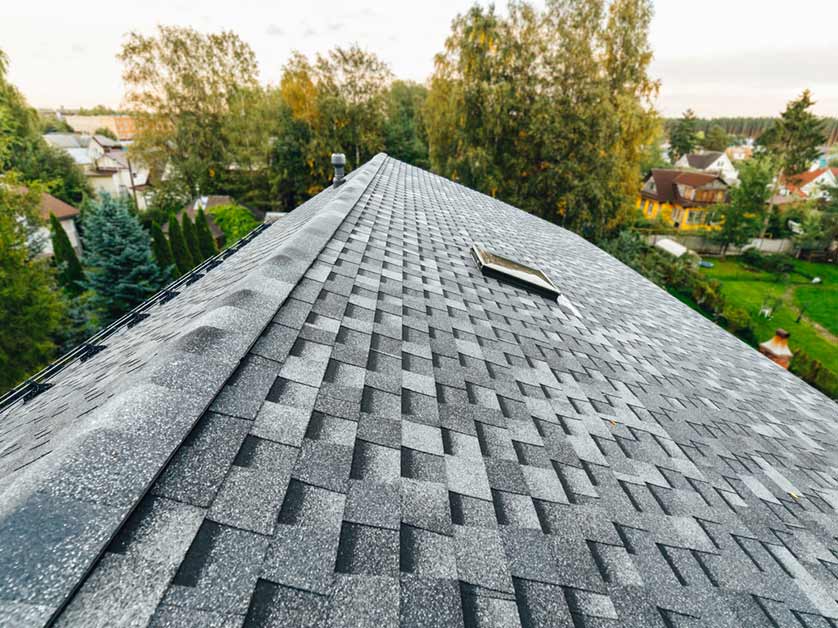
A new roof is a major investment, and for most homeowners, asphalt shingles are the top choice due to their affordability and durability. But even the best shingles are only as reliable as the warranty that backs them. Knowing what’s covered—and what isn’t—under a roofing warranty for asphalt shingles can help you avoid costly surprises and make confident decisions about your home’s protection.
This article breaks down the essentials of shingle warranties, including the types of coverage available, what typically voids a warranty, and how to get the most value from your investment. If you’re planning a roof replacement or simply want to understand your current coverage, you’ll find practical answers here.
Before diving into the details, it’s important to recognize that regular maintenance and inspections play a crucial role in keeping your warranty valid. For tips on keeping your shingles in top shape, check out the roofing maintenance schedule for actionable advice.
Types of Asphalt Shingle Warranties Explained
When you install a new asphalt shingle roof, you’ll typically receive one or more types of warranties. Each offers different levels of protection and comes with its own set of terms. Here’s what you need to know:
- Manufacturer’s Warranty: This is the most common type, covering defects in the shingles themselves. Most major brands offer warranties ranging from 20 to 50 years, but coverage often decreases over time (a process called “proration”).
- Workmanship Warranty: Provided by your roofing contractor, this covers installation errors. Terms vary widely, from one year to a lifetime, depending on the company and the agreement.
- System or Enhanced Warranty: Some manufacturers offer upgraded warranties if you use their full roofing system (underlayment, ventilation, etc.) and hire a certified installer. These often include both material and labor coverage and may be transferable to a new homeowner.
For a deeper look at the materials themselves, see this comprehensive guide to asphalt shingle roofs.
What Does a Roofing Warranty for Asphalt Shingles Actually Cover?
Understanding the scope of your coverage is key. Most warranties for asphalt shingles protect against:
- Manufacturing defects: Issues like premature cracking, blistering, or granule loss caused by faulty production.
- Wind resistance: Many warranties specify a wind speed rating (e.g., up to 110 mph) for which the shingles are guaranteed to stay in place.
- Algae resistance: Some shingles come with limited coverage against discoloration from blue-green algae.
However, there are important limitations. Warranties typically do not cover:
- Damage from improper installation
- Poor attic ventilation
- Storms, hail, or falling debris
- Normal wear and tear
- Neglect or lack of maintenance
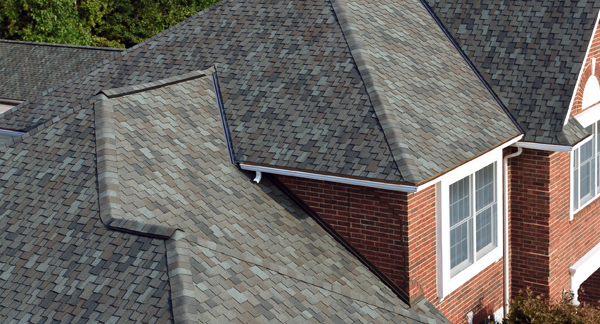
If you’re unsure whether your roof is showing signs of trouble that could affect your warranty, the signs you need a new roof article can help you spot early warning indicators.
Common Warranty Exclusions and How to Avoid Them
Even the best roofing warranty for asphalt shingles has exclusions. Here are some of the most common reasons claims are denied:
- Improper installation: If your contractor fails to follow manufacturer guidelines, coverage may be voided. Always hire certified professionals and keep records of the installation.
- Inadequate ventilation: Poor attic airflow can cause shingles to overheat and deteriorate, which is not covered by most warranties.
- Unauthorized repairs: Using non-approved materials or unlicensed contractors for repairs can invalidate your warranty.
- Neglect: Failing to perform basic maintenance, such as cleaning gutters or removing debris, can be grounds for denial.
To protect your investment, follow a regular inspection routine. The roof inspection guide offers step-by-step instructions for safely checking your shingles and spotting issues before they escalate.
How to File a Warranty Claim for Asphalt Shingles
If you believe your shingles are failing due to a covered issue, follow these steps to maximize your chances of a successful claim:
- Review your warranty documents: Understand what is and isn’t covered, and note any required documentation.
- Document the problem: Take clear photos of the affected areas and keep records of any maintenance or repairs.
- Contact your installer and manufacturer: Notify both parties as soon as possible. Some warranties require the original installer to inspect the roof first.
- Submit your claim: Provide all requested information, including proof of purchase, installation records, and photos.
- Follow up: Keep communication open and respond promptly to any requests for additional information.
Remember, patience is important—claims can take several weeks to process. If your warranty is denied, you may still have options for repair or replacement, especially if the issue is related to installation.
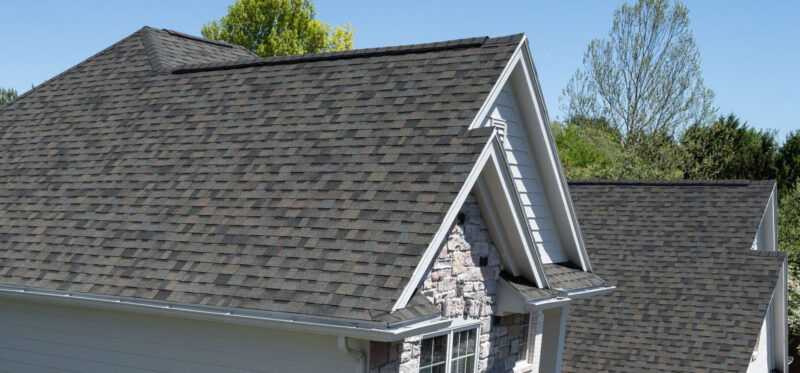
Tips for Maximizing Your Asphalt Shingle Warranty
To get the most from your warranty and ensure your roof lasts as long as possible, keep these best practices in mind:
- Register your warranty: Some manufacturers require you to register your roof within a certain timeframe after installation.
- Keep all documentation: Save receipts, contracts, and warranty certificates in a safe place.
- Schedule regular inspections: Professional inspections can catch small issues before they become big problems and help maintain your coverage.
- Perform routine maintenance: Clean gutters, remove debris, and address minor repairs promptly.
- Use approved products: When making repairs or upgrades, always use materials and methods approved by the manufacturer.
For more on preventing issues before they start, the common roofing problems guide is a valuable resource.
FAQ: Asphalt Shingle Warranties
How long do most asphalt shingle warranties last?
Most standard warranties for asphalt shingles range from 20 to 50 years. However, the length of coverage can vary depending on the manufacturer, the specific product line, and whether you’ve opted for an enhanced or system warranty. It’s important to read the fine print, as coverage may be prorated after a certain number of years.
What can void my asphalt shingle warranty?
Common reasons for voiding a warranty include improper installation, inadequate attic ventilation, unauthorized repairs, and neglecting regular maintenance. Always follow manufacturer guidelines and keep documentation of all work performed on your roof.
Are warranties transferable if I sell my home?
Some warranties, especially enhanced or system warranties, are transferable to a new homeowner—usually within a specified period after installation. This can add value to your home, but transfer terms vary, so check your warranty documents for details and required steps.
Conclusion
A solid understanding of your roofing warranty for asphalt shingles can save you time, money, and frustration down the line. By knowing what’s covered, avoiding common pitfalls, and keeping up with maintenance, you’ll protect your investment and enjoy peace of mind for years to come. If you’re ever in doubt, consult your warranty documents and reach out to your installer or manufacturer for clarification.