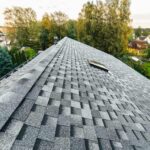
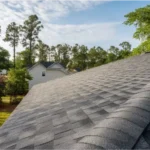
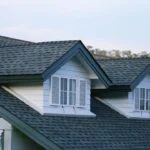
Choosing the right roofing material is a significant decision for any homeowner. Asphalt shingles remain one of the most popular choices for residential properties due to their affordability, durability, and wide range of styles. This residential asphalt roofing guide offers practical insights, expert tips, and essential information to help you make informed decisions about your home’s roof.
Whether you are planning a new installation, considering a replacement, or simply want to understand the benefits and maintenance needs of asphalt shingles, this article covers everything you need to know. You’ll also find helpful resources, product recommendations, and links to related topics such as roof ventilation importance to ensure your roofing system performs at its best.
Understanding Asphalt Shingles for Residential Roofs
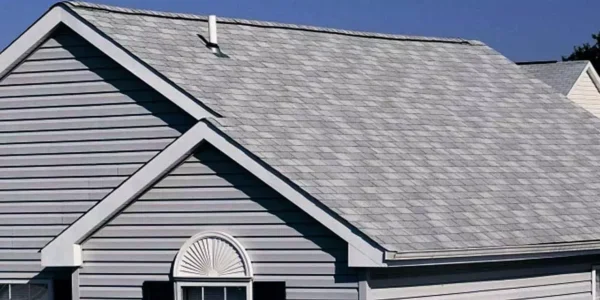
Asphalt shingles are a staple in North American home construction. They are composed of a fiberglass or organic mat, coated with asphalt and topped with ceramic granules. This combination provides weather resistance, fire protection, and a variety of color options to complement any architectural style.
There are three main types of asphalt shingles:
- 3-tab shingles: Recognizable by their flat appearance and uniform shape, these are the most economical choice but offer a shorter lifespan.
- Architectural (dimensional) shingles: Thicker and more durable, these shingles provide a layered look and enhanced weather resistance.
- Luxury shingles: Designed to mimic the appearance of slate or cedar shakes, luxury shingles offer premium aesthetics and performance.
For a deeper dive into color and style options, see this guide on asphalt roof color options.
Key Benefits of Asphalt Shingle Roofing
Homeowners choose asphalt shingles for several compelling reasons:
- Affordability: Asphalt shingles are cost-effective compared to other roofing materials like metal, tile, or slate.
- Ease of Installation: Professional roofers can install these shingles quickly, minimizing labor costs and disruption.
- Versatility: Available in a wide range of colors and styles, asphalt shingles can suit nearly any home design.
- Durability: Modern shingles are engineered to withstand wind, rain, and sun, with lifespans ranging from 15 to 30 years or more depending on the product.
- Low Maintenance: With proper installation and ventilation, asphalt shingle roofs require minimal upkeep.
Choosing the Right Asphalt Shingles for Your Home
Selecting the best shingle involves considering your budget, climate, and desired look. Architectural shingles are a popular choice for their balance of price and performance, while luxury shingles are ideal for homeowners seeking a high-end appearance.
It’s also important to understand the different classes of asphalt shingles, which indicate their impact resistance and durability. For more details, refer to this overview of the four classes of asphalt roofing shingles.
If you’re unsure where to start, check out this resource on how to choose asphalt shingles for a breakdown of colors, styles, and grades.
Installation Process and Timeline
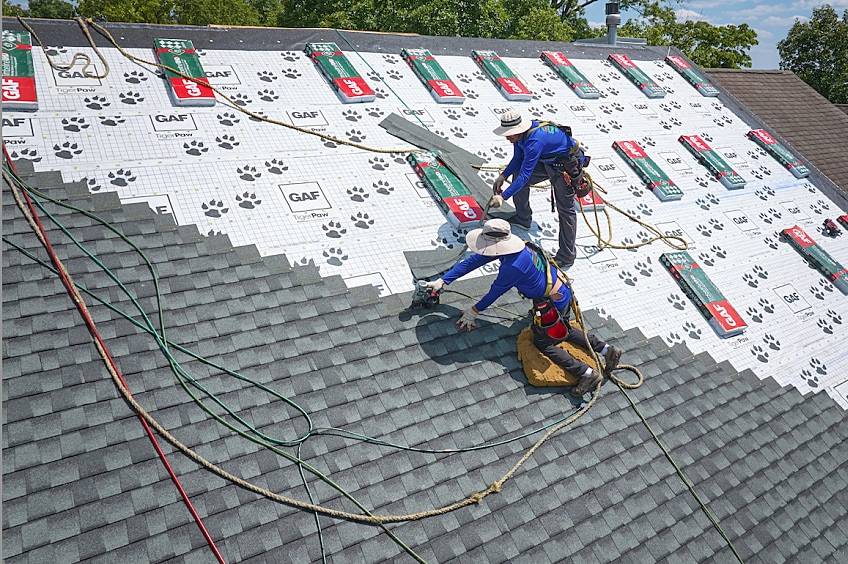
Proper installation is crucial for maximizing the lifespan and performance of your asphalt shingle roof. The process generally includes:
- Removing old roofing materials and inspecting the decking for damage.
- Installing underlayment and flashing to prevent water intrusion.
- Laying the shingles in a staggered pattern for optimal coverage and wind resistance.
- Sealing edges, ridges, and valleys to protect vulnerable areas.
The duration of installation depends on the size and complexity of your roof, but most residential projects are completed within a few days. For more details, see this article on asphalt roof installation time.
Maintenance and Longevity Tips
While asphalt shingles are low-maintenance, regular inspections and minor upkeep can extend their service life. Here are some expert recommendations:
- Inspect your roof at least twice a year for missing, curled, or damaged shingles.
- Keep gutters clean to prevent water backup and ice dams.
- Trim overhanging branches to reduce debris and minimize shade that can encourage moss growth.
- Address leaks or flashing issues promptly using a quality roof sealant.
- Ensure your attic is well-ventilated to prevent heat and moisture buildup, which can degrade shingles. Learn more about roof ventilation importance for asphalt roofs.
Comparing Asphalt Shingles to Other Roofing Materials
Asphalt shingles are often compared to alternatives like metal, wood, or tile. Here’s how they stack up:
| Material | Cost | Durability | Appearance | Maintenance |
|---|---|---|---|---|
| Asphalt Shingles | Low | 15–30 years | Varied colors/styles | Low |
| Metal | Medium–High | 40–70 years | Modern/industrial | Low |
| Wood Shakes | High | 20–40 years | Natural/rustic | Medium |
| Clay/Tile | High | 50+ years | Distinctive/traditional | Low–Medium |
For most homeowners, asphalt shingles offer the best balance of cost, performance, and curb appeal.
Expert Tips for Maximizing Your Asphalt Roof Investment
To get the most value from your shingle roof, consider these expert suggestions:
- Choose a reputable installer with experience in residential asphalt roofing.
- Opt for shingles with a strong warranty and proven track record in your climate.
- Coordinate your shingle color and style with your home’s exterior for lasting curb appeal. For inspiration, see the best roofing shingles for homes guide.
- Schedule annual inspections, especially after severe weather events.
- Use compatible products, such as sealants and underlayments, recommended by the shingle manufacturer.
Frequently Asked Questions
How long do asphalt shingle roofs typically last?
Most asphalt shingle roofs last between 15 and 30 years, depending on the quality of materials, installation, and maintenance. Architectural and luxury shingles often offer longer lifespans than basic 3-tab options.
What maintenance does an asphalt shingle roof require?
Routine maintenance includes inspecting for damaged or missing shingles, keeping gutters clear, trimming nearby trees, and ensuring proper attic ventilation. Promptly addressing minor issues can prevent costly repairs down the line.
Are asphalt shingles suitable for all climates?
Asphalt shingles perform well in a variety of climates, but it’s important to select a product rated for your region’s weather conditions. Impact-resistant and algae-resistant options are available for areas prone to hail or humidity.
Conclusion
Asphalt shingles remain a reliable and attractive choice for homeowners seeking a balance of cost, durability, and style. By understanding the different types, installation process, and maintenance needs, you can ensure your roof protects your home for years to come. For further guidance, explore resources on installation timelines and color selection to make the best decision for your property.