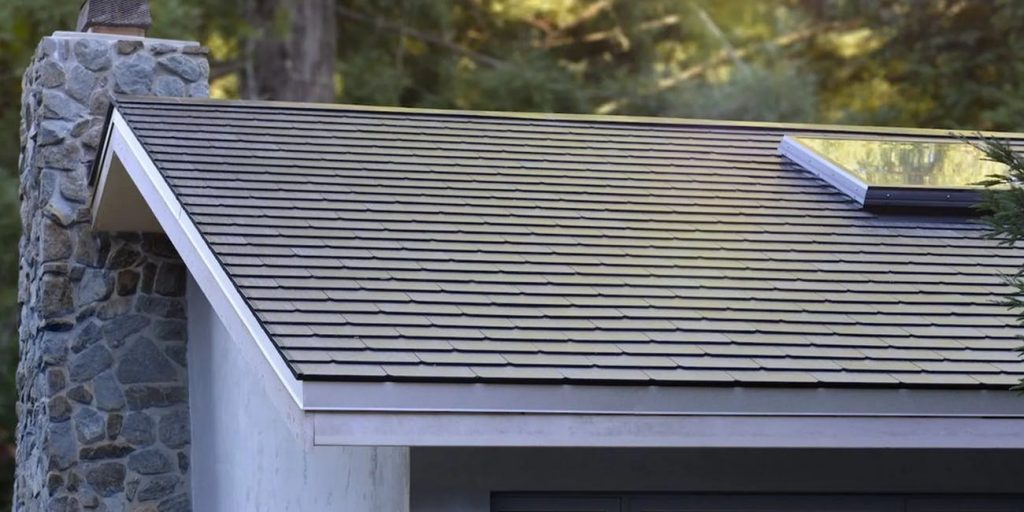
As solar technology becomes more accessible and affordable, many homeowners and property managers are considering integrating solar solutions into their buildings. However, before making the investment, it’s crucial to understand roof suitability for solar roofing. Not every roof is equally equipped to support solar panels or solar shingles, and several factors can influence both the feasibility and efficiency of a solar installation.
This article explores the key considerations for determining if a roof is ready for solar, including material compatibility, structural integrity, orientation, shading, and more. For those interested in broader industry developments, you can also learn about solar roofing market trends to see how adoption is evolving.
Key Factors Affecting Roof Compatibility with Solar Solutions
Assessing roof suitability for solar roofing starts with a close look at several core elements. Each plays a role in the long-term performance and safety of your solar system.
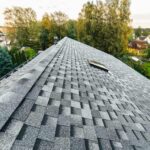
- Roof Material: Some roofing materials are more compatible with solar installations than others. Asphalt shingles, metal, and concrete tiles are generally ideal. Slate, clay, and wood shake can pose challenges due to fragility or installation complexity.
- Roof Age and Condition: Solar panels or shingles are best installed on roofs with at least 10–15 years of life left. If your roof is nearing replacement, it’s wise to address repairs or replacement before adding solar.
- Structural Integrity: The roof must be able to support the additional weight of solar equipment. A structural assessment may be necessary, especially for older homes or those with unique designs.
- Orientation and Pitch: South-facing roofs with a pitch between 15° and 40° typically yield the best results in North America. East- and west-facing roofs can also be viable, though with slightly reduced efficiency.
- Shading: Trees, chimneys, or nearby buildings that cast shade can significantly reduce solar output. An open, unobstructed roof area is ideal for maximizing energy generation.
Evaluating Roof Material and Structure for Solar Installations
The type of roofing material is one of the first aspects to review. Most modern solar mounting systems are designed with versatility in mind, but certain materials require specialized hardware or installation techniques.
Asphalt shingles are the most common and easiest to work with, while metal roofs (especially standing seam) allow for non-penetrative mounting, which preserves waterproofing. Concrete tiles can also support solar, but may need extra care during installation to prevent cracking.
For roofs made of slate, clay, or wood shake, consult a solar professional with experience in these materials. The installation process can be more complex and may increase costs.
Structural soundness is equally important. A qualified contractor should inspect the roof framing and decking to ensure it can handle the weight of panels or integrated solar shingles. If reinforcement is needed, addressing it before installation will prevent future issues.
Orientation, Pitch, and Shading: Maximizing Solar Output
The direction your roof faces and its angle are critical for solar efficiency. In the northern hemisphere, a south-facing roof captures the most sunlight throughout the year. Roofs with east or west exposure can still be used, but may yield 10–20% less energy.
The optimal tilt for solar modules aligns with your geographic latitude, but most residential roofs fall within a suitable range. If your roof is flat or has a very steep pitch, mounting systems can often adjust the angle for improved performance.
Shading is a major concern for roof suitability for solar roofing. Even partial shade during peak sunlight hours can drastically reduce system output. Before installation, a site assessment should be conducted to identify and address shading issues. For a deeper dive into this process, see the solar roofing site assessment guide.
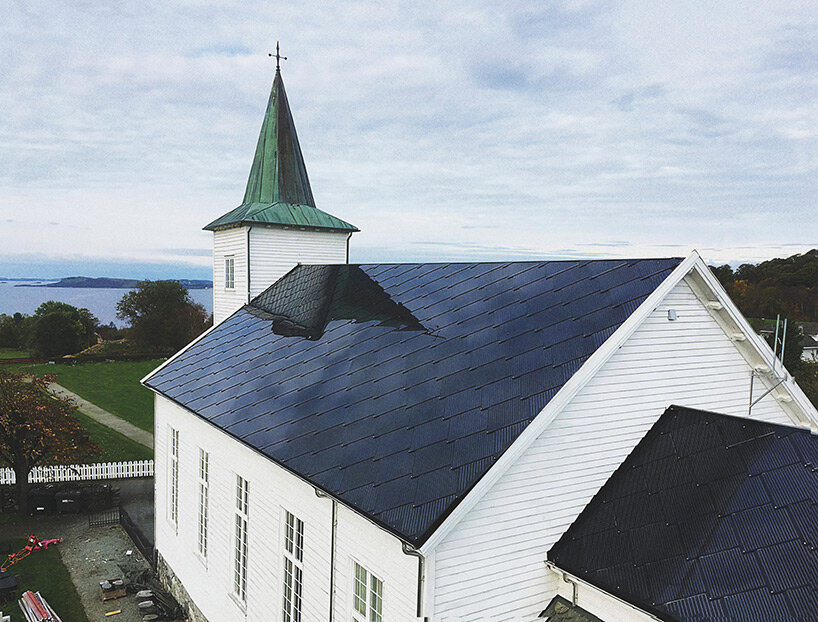
Solar Roofing Types and Their Unique Requirements
There are two main approaches to solar on rooftops: traditional solar panels and integrated solar roofing products like solar shingles or tiles. Each has its own set of requirements and considerations.
- Solar Panels: These are mounted above the existing roof surface using racks or brackets. They are compatible with most roof types, provided the structure is sound and the surface is in good condition.
- Solar Shingles and Tiles: These products replace standard roofing materials, blending in aesthetically while generating electricity. They work best on new roofs or during roof replacement projects. For more on the latest advancements, explore latest solar roofing technology.
The choice between panels and integrated solar roofing often comes down to budget, roof age, and design preferences. Both options require careful evaluation of the roof’s structure and exposure.
Maintenance and Longevity Considerations
Installing solar means committing to decades of clean energy. To get the most from your investment, the underlying roof must be durable and easy to maintain. Here are some maintenance tips:
- Check for debris or buildup that could shade panels or shingles. Regular cleaning can help maintain peak efficiency.
- Inspect roof flashings and seals around mounts to prevent leaks.
- Schedule periodic professional inspections, especially after severe weather.
- Keep trees trimmed to minimize shading and reduce the risk of falling branches.
Using a specialized tool like a roof cleaning brush can make maintenance safer and more effective, especially for hard-to-reach areas.

Planning for the Future: Upgrades and Innovations
As technology advances, more roofs will become compatible with solar solutions. New materials, lighter panels, and integrated solar products are expanding the possibilities. For those interested in what’s next, check out the latest innovations in solar roofing and solar roofing future trends.
Additionally, solar shingles are gaining popularity for their seamless appearance and dual function as both a roof covering and energy generator. These products are especially attractive for new builds or major renovations.
FAQ: Common Questions About Roof Readiness for Solar
How do I know if my roof can support solar panels?
A professional assessment is the best way to determine if your roof is suitable. Factors include the roof’s age, material, structural strength, orientation, and shading. Most modern roofs in good condition can support solar, but older or damaged roofs may need repairs or reinforcement first.
Can solar be installed on a flat or steep roof?
Yes, solar can be installed on both flat and steep roofs. Mounting systems can adjust the angle of the panels to optimize sunlight exposure. However, installation complexity and costs may vary depending on the roof’s pitch.
Is it better to install solar panels or solar shingles?
The choice depends on your roof’s age, your budget, and aesthetic preferences. Solar panels are generally more cost-effective and can be installed on most existing roofs. Solar shingles offer a more integrated look and are ideal for new roofs or major renovations but may come at a higher price.
What maintenance is required for a solar roof?
Regular cleaning to remove debris, periodic inspections of mounts and flashings, and keeping nearby trees trimmed are the main maintenance tasks. Using a roof cleaning brush can help keep panels or shingles clear and efficient.
Will installing solar affect my roof warranty?
In many cases, solar installation does not void a roof warranty if performed by a qualified professional. Always check with your roofing manufacturer and installer to ensure compliance with warranty terms.
Understanding roof suitability for solar roofing is essential for a successful, long-lasting solar installation. By carefully evaluating your roof’s material, structure, orientation, and exposure, you can make an informed decision and maximize your investment in renewable energy.