Understanding the different ways to ventilate your attic is essential for maintaining a comfortable, energy-efficient, and healthy home. Proper airflow in the uppermost part of your house helps regulate temperature, prevent moisture buildup, and extend the lifespan of your roof. For homeowners, knowing the available options can make a significant difference when it comes to home maintenance and energy costs.
In this guide, we’ll break down the main categories of attic ventilation, discuss their benefits, and offer practical advice for choosing the right solution for your property. If you’re interested in how these systems intersect with modern roofing technology, you might also want to explore the solar roofing market trends that are shaping today’s homes.
Why Attic Airflow Matters
Many homeowners overlook the importance of attic airflow, but it plays a crucial role in the overall health of your house. Without adequate ventilation, heat and moisture can accumulate, leading to a range of issues such as:
- Increased energy bills due to excessive heat in summer
- Ice dams and roof damage during winter months
- Mold, mildew, and wood rot caused by trapped moisture
- Shortened lifespan of roofing materials
By selecting the right system for your attic, you can avoid these problems and create a more comfortable living environment year-round.
Key Categories of Attic Ventilation
There are several main types of attic ventilation, each with its own advantages and best-use scenarios. Let’s look at the most common approaches homeowners encounter.
Passive Attic Ventilation Systems
Passive systems rely on natural air movement rather than mechanical assistance. These options are popular for their simplicity and low maintenance requirements. The most widely used passive solutions include:
- Ridge Vents: Installed along the peak of the roof, these vents allow hot air to escape from the highest point of the attic. When paired with soffit vents, they create a continuous flow of air.
- Soffit Vents: Located under the eaves, soffit vents draw in cooler outside air, which pushes warmer air upward and out through ridge or gable vents.
- Gable Vents: Mounted on the exterior walls near the roof peak, these vents provide cross-ventilation by allowing air to enter or exit from the sides of the attic.
- Static Roof Vents: Sometimes called box or turtle vents, these are installed in various spots on the roof to let hot air escape passively.
Passive attic ventilation is ideal for most homes, especially when the roof design allows for a balanced intake and exhaust system. These solutions are energy-efficient and require little ongoing attention.
Active Attic Ventilation Options
Active systems use powered devices to move air through the attic space. These are especially useful in climates with extreme heat or humidity, or in homes where passive airflow is insufficient. Common active solutions include:
- Attic Fans: Mounted on the roof or gable, these electric fans pull hot air out of the attic, often controlled by a thermostat or humidity sensor.
- Solar-Powered Fans: Similar to traditional attic fans, but powered by solar panels, these offer energy savings and can operate independently of your home’s electrical system.
- Whole-House Fans: Installed in the ceiling of the top floor, these fans draw cooler outdoor air through open windows and push hot attic air outside.
While active systems can be more expensive to install and operate, they provide an extra level of control and are effective in challenging environments. For those interested in the intersection of ventilation and renewable energy, exploring latest solar roofing technology can provide additional insights.
Combination Approaches and Hybrid Systems
Some homes benefit from a mix of passive and active ventilation. For example, a house might use ridge and soffit vents for general airflow, supplemented by an attic fan during periods of extreme heat. The key is to avoid creating negative pressure, which can pull conditioned air from the living space below. A balanced system ensures that intake and exhaust are proportionate, maximizing effectiveness without causing unintended issues.

When considering a hybrid approach, consult with a roofing professional to ensure compatibility and optimal performance for your specific attic layout and climate.
How to Choose the Right Attic Ventilation Method
Selecting the best system for your home involves several factors:
- Roof Design: The pitch, complexity, and available space for vents will influence which solutions are feasible.
- Climate: Homes in hot, humid, or cold regions may require different strategies to address unique challenges.
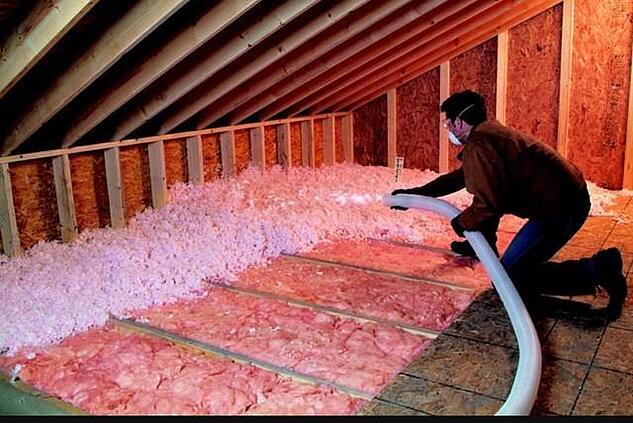
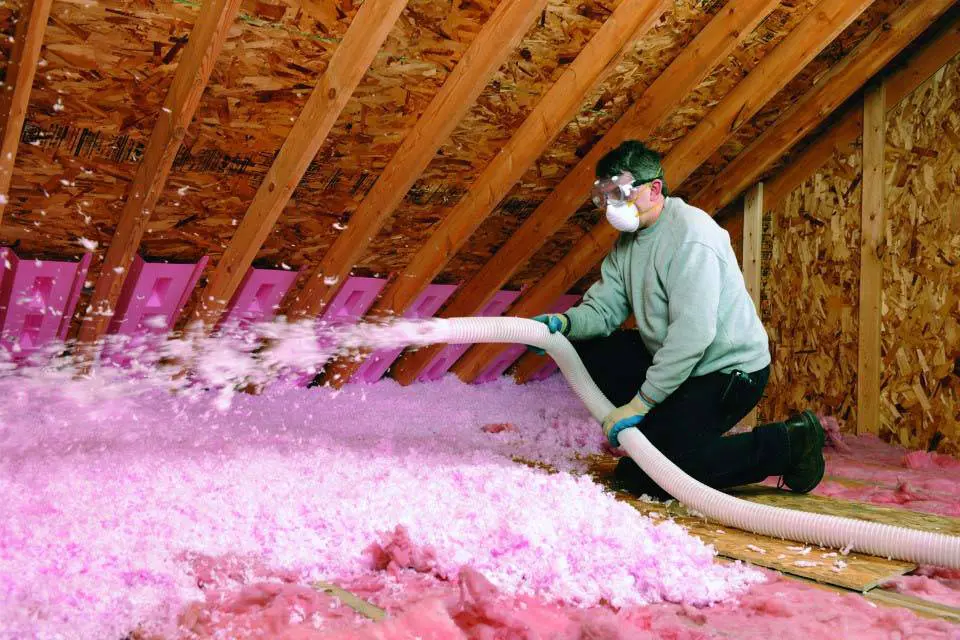
- Existing Insulation: Proper insulation works hand-in-hand with ventilation to regulate temperature and prevent moisture problems.
- Energy Efficiency Goals: If reducing energy consumption is a priority, passive or solar-powered options may be the best fit.
- Budget: Costs can vary widely, from simple soffit vents to advanced powered fans.
It’s also important to ensure that intake and exhaust are balanced. Too much exhaust without adequate intake can actually draw conditioned air from your living space, reducing energy efficiency. Conversely, too much intake without enough exhaust can trap heat and moisture.
Common Mistakes to Avoid
Even with the best intentions, homeowners sometimes make errors when installing or upgrading their attic ventilation. Here are a few pitfalls to watch out for:
- Blocking Vents: Insulation or debris can obstruct soffit or ridge vents, reducing effectiveness.
- Mixing Incompatible Systems: Combining certain active and passive systems can disrupt airflow and lead to negative pressure.
- Insufficient Vent Area: Not providing enough vent space for the size of your attic can limit performance.
- Ignoring Local Codes: Building codes may dictate minimum ventilation requirements—always check before making changes.
Regular inspections and maintenance are key to ensuring your system continues to function as intended.
FAQ: Attic Ventilation Insights
How do I know if my attic is properly ventilated?
Signs of good airflow include consistent attic temperatures, minimal condensation, and no signs of mold or mildew. If you notice high energy bills, ice dams, or musty odors, your system may need improvement.
Can I install attic ventilation myself, or should I hire a professional?
Some passive systems, like installing soffit or gable vents, can be DIY projects for experienced homeowners. However, for more complex installations or when dealing with electrical components, it’s best to consult a professional to ensure safety and compliance with local codes.
How does attic ventilation impact roof longevity?
Proper airflow helps prevent heat and moisture buildup, which can deteriorate roofing materials and lead to costly repairs. A well-ventilated attic can extend the life of your roof and reduce the risk of structural damage.
Are there new trends in attic ventilation and roofing?
Yes, innovations such as solar-powered fans and integrated ventilation with solar roofing are becoming more popular. For more on these advancements, see our article on innovations in solar roofing.