Choosing the best materials for solar roofing is a crucial step for anyone looking to maximize energy efficiency, durability, and long-term value from a solar installation. With advances in solar technology and roofing integration, homeowners and businesses now have more options than ever before. Understanding the strengths and limitations of each material can help you make an informed decision that fits your climate, budget, and energy needs.
As the solar industry continues to evolve, new products and installation methods are reshaping the landscape. For those interested in how the market is shifting, solar roofing market trends offer valuable insights into what’s driving adoption and innovation.
Understanding Solar Roofing Materials
Solar roofing systems can be broadly categorized into two main types: traditional rack-mounted solar panels and integrated solar roofing products. The choice of material impacts not only the system’s efficiency but also its appearance, lifespan, and compatibility with your existing roof structure.
- Rack-mounted panels are installed on top of existing roofing materials and are compatible with most roof types.
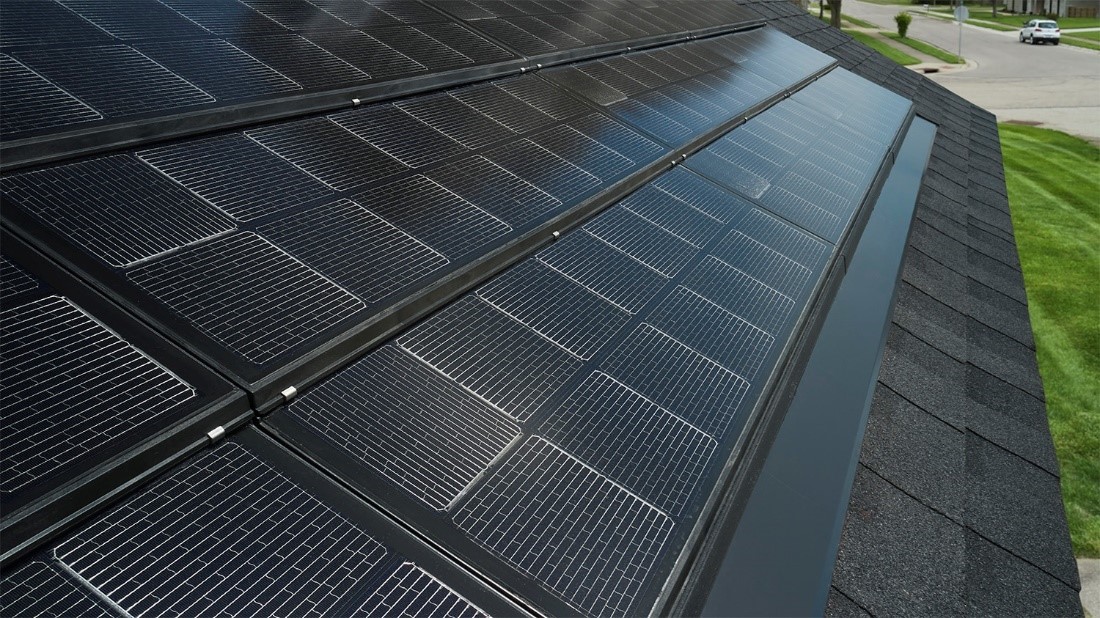
- Integrated solar roofs combine photovoltaic technology directly with roofing materials, offering a more seamless look and sometimes added weather protection.
Key Factors When Selecting Solar Roofing Options
Before diving into specific materials, it’s important to consider several factors that influence the performance and suitability of a solar roof:
- Durability: The material should withstand local weather conditions, including wind, hail, and heavy rainfall.
- Efficiency: Higher efficiency means more electricity generated per square foot.
- Weight: Some materials add significant weight to your roof, which may require structural reinforcement.
- Cost: Upfront and long-term costs vary widely depending on the material and installation complexity.
- Aesthetics: The visual impact of the system can be a deciding factor for many homeowners.
Top Choices for Solar Roofing Materials
Let’s explore the most popular and effective materials used in today’s solar roofing systems, each offering unique benefits and considerations.
Monocrystalline Silicon Panels: The Gold Standard
Monocrystalline silicon is widely regarded as one of the best materials for solar roofing due to its high efficiency and long lifespan. These panels are made from single-crystal silicon, allowing for greater electron mobility and better performance in limited space. They are ideal for homeowners seeking maximum energy output and a proven track record.
- Pros: High efficiency (15–22%), excellent durability, performs well in low light.
- Cons: Higher upfront cost, typically installed as rack-mounted panels rather than integrated tiles.
Polycrystalline Silicon Panels: Cost-Effective Performance
Polycrystalline panels are another common choice, offering a balance between performance and affordability. While slightly less efficient than monocrystalline, they are still a solid option for many residential and commercial applications.
- Pros: Lower cost, reliable performance, widely available.
- Cons: Slightly lower efficiency (13–17%), blueish tint may be less visually appealing.
Solar Shingles and Tiles: Seamless Integration
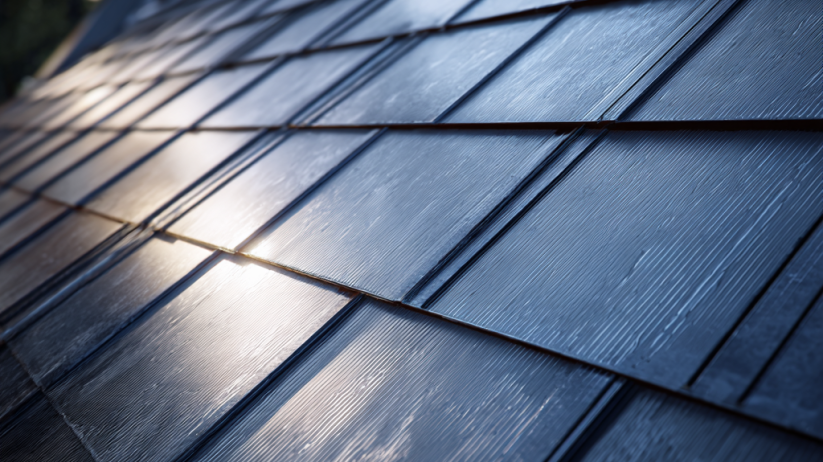
Solar shingles and tiles represent a newer approach, integrating photovoltaic cells directly into roofing materials. These products blend in with traditional roofing, offering a sleek, low-profile alternative to conventional panels. They are particularly attractive for new builds or roof replacements.

Brands like CertainTeed and Tesla have popularized this technology, but it’s important to weigh the advantages and disadvantages. For a deeper dive, see this detailed overview of solar shingles’ pros and cons.
- Pros: Attractive appearance, integrated weatherproofing, suitable for historic or design-conscious properties.
- Cons: Higher installation cost, slightly lower efficiency than traditional panels, limited product availability in some regions.
Metal Roofs with Integrated Solar: Durable and Efficient
Metal roofing is an excellent base for solar installations due to its longevity and strength. Some systems now offer integrated solar panels that snap directly onto standing seam metal roofs, creating a streamlined and highly durable solution.
- Pros: Long lifespan (40–70 years), lightweight, often recyclable, easy to integrate with solar hardware.
- Cons: Higher upfront cost for both metal roof and solar integration, may require specialized installers.
Thin-Film Solar: Lightweight and Flexible
Thin-film solar technology uses materials like cadmium telluride or amorphous silicon to create flexible, lightweight panels. These are less common for residential roofs but can be a good fit for certain commercial or specialty applications.
- Pros: Lightweight, flexible, can be applied to curved or irregular surfaces, lower cost per watt in some cases.
- Cons: Lower efficiency (7–13%), shorter lifespan, may degrade faster in harsh conditions.
Comparing Lifespan and Maintenance Needs
When evaluating the best materials for solar roofing, consider not only initial performance but also how each option holds up over time. Monocrystalline and metal-based systems typically offer the longest service life, often exceeding 25 years with minimal maintenance. Solar shingles and thin-film products may require more frequent inspection and cleaning to maintain optimal output.
Regular cleaning and inspection are essential for all types of solar roofing. Tools like a roof cleaning brush can help maintain efficiency and extend the life of your investment.
Emerging Technologies in Solar Roofing
Innovations continue to shape the solar roofing industry. From advanced photovoltaic materials to new installation techniques, the future holds exciting possibilities. For those interested in the latest developments, our guide on latest solar roofing technology covers breakthroughs that could influence your decision.
Additionally, exploring innovations in solar roofing can provide a glimpse into new products and methods that may soon become mainstream. Staying informed about solar roofing future trends ensures you’re prepared for upcoming changes in the market.
Making the Right Choice for Your Home or Business
Ultimately, the ideal solar roofing material depends on your specific needs, budget, and aesthetic preferences. Consulting with a qualified installer and conducting a thorough solar roofing site assessment will help determine the most effective and compatible solution for your property.
By understanding the pros and cons of each material, you can invest confidently in a system that will deliver clean energy and reliable performance for years to come.
Frequently Asked Questions
What roofing material is most compatible with solar panels?
Asphalt shingles, metal roofs, and tile roofs are commonly used with solar panels. Metal roofs, in particular, offer excellent durability and easy integration. However, most modern solar systems can be adapted to a variety of roofing materials with the right mounting hardware.
Are solar shingles as efficient as traditional solar panels?
Solar shingles generally have lower efficiency compared to traditional monocrystalline panels. While they offer a more attractive, integrated look, their energy output per square foot is typically less. For homeowners prioritizing aesthetics, solar shingles are a strong choice, but those seeking maximum efficiency may prefer conventional panels.
How long do solar roofing systems last?
Most quality solar panels have a lifespan of 25–30 years or more, with some metal-based systems lasting even longer. Solar shingles and thin-film products may have shorter lifespans, often ranging from 15 to 25 years. Regular maintenance and cleaning can help extend the life of any solar roofing system.