Creating a comfortable, sustainable living space starts with smart choices in building materials and design. Among the most impactful strategies for reducing energy consumption and maintaining consistent indoor temperatures is the installation of roof insulation for energy-efficient homes. Properly insulated roofing not only helps keep your home warmer in winter and cooler in summer, but it also leads to significant savings on utility bills and a reduced carbon footprint.
As homeowners and builders increasingly prioritize sustainability, understanding the options and benefits of advanced insulation methods becomes essential. This article explores the fundamentals of effective roof insulation, the materials available, and how these choices contribute to a more sustainable home environment. For those interested in integrating renewable energy solutions, exploring solar roofing market trends can further enhance your home’s efficiency and value.
Why Roof Insulation Matters in Sustainable Home Design
The roof is one of the most significant sources of heat gain and loss in any building. Without adequate insulation, a substantial portion of your heating and cooling efforts can escape through the roof, leading to higher energy usage and inconsistent indoor comfort. By investing in roof insulation for energy-efficient homes, you create a thermal barrier that helps maintain a stable indoor climate year-round.
Effective insulation reduces the workload on HVAC systems, which not only extends their lifespan but also cuts down on maintenance costs. Additionally, minimizing energy consumption directly supports environmental goals by lowering greenhouse gas emissions associated with electricity and fuel use.
Types of Roof Insulation Materials for Modern Homes
There are several insulation materials available, each with unique properties suited to different climates, budgets, and construction types. Understanding the options can help you make an informed decision for your project.
- Fiberglass Batts and Rolls: Widely used due to affordability and ease of installation, fiberglass offers good thermal resistance and is suitable for attics and between rafters.
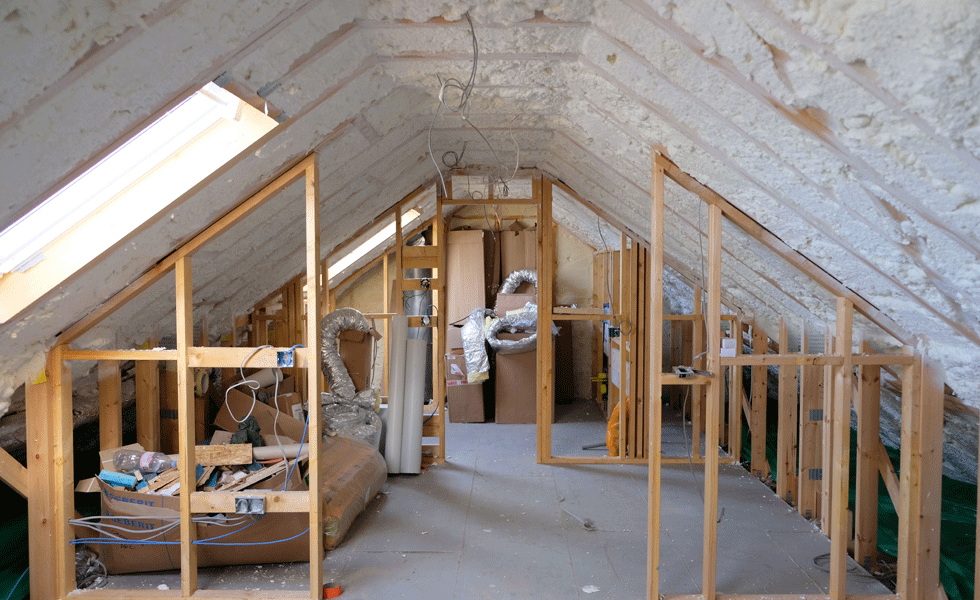
- Spray Foam Insulation: This material expands to fill gaps and seals air leaks, providing excellent thermal performance and air barrier properties.
- Rigid Foam Boards: Known for high insulating value per inch, rigid boards are ideal for flat roofs and can be layered for increased effectiveness.
- Reflective or Radiant Barriers: Especially effective in hot climates, these materials reflect radiant heat away from the home, reducing cooling loads.
- Cellulose Insulation: Made from recycled paper products, cellulose is an eco-friendly option that provides good thermal performance and soundproofing.

Key Benefits of Upgrading Your Roof Insulation
Investing in high-quality insulation for your roof delivers a range of advantages that go beyond energy savings. Here are some of the most notable benefits:
- Lower Energy Bills: Improved thermal resistance means your heating and cooling systems work less, resulting in noticeable cost reductions.
- Enhanced Comfort: Consistent indoor temperatures eliminate hot or cold spots and drafts, making your living spaces more pleasant.
- Noise Reduction: Insulation acts as a sound barrier, reducing noise from rain, wind, and external sources.
- Environmental Impact: Reduced energy consumption translates to fewer emissions and a smaller environmental footprint.
- Increased Property Value: Energy-efficient upgrades are attractive to buyers and can boost your home’s resale value.
Installation Methods and Considerations for Roof Insulation
The method of installation depends on your roof type, existing structure, and the insulation material chosen. Here are some common approaches:
- Attic Floor Insulation: Placing insulation on the attic floor is common in homes with unconditioned attics. This method is cost-effective and easy to upgrade.
- Rafter or Roof Deck Insulation: Insulating between or above rafters is ideal for conditioned attics or cathedral ceilings, providing a continuous thermal barrier.
- Spray Foam Application: Spray foam is applied directly to the underside of the roof deck, sealing gaps and providing both insulation and air sealing.
- Rigid Board Installation: Rigid foam boards can be installed above the roof deck during re-roofing projects for maximum effectiveness.
Integrating Roof Insulation with Other Energy-Efficient Strategies
For maximum efficiency, roof insulation should be part of a comprehensive approach to sustainable home design. Pairing insulation upgrades with other improvements—such as energy-efficient windows, air sealing, and advanced HVAC systems—can further reduce energy use and improve indoor comfort.
Many homeowners are also exploring renewable energy options, such as solar panels. Combining effective insulation with solar roofing can dramatically lower utility costs and increase energy independence. For more information on emerging technologies, see the latest developments in solar roofing technology and innovations in solar roofing.
Common Challenges and Solutions in Roof Insulation Projects
While the benefits are clear, some challenges can arise during insulation projects. Moisture control is critical—improper installation can lead to condensation, mold, or rot. Always ensure adequate ventilation and use vapor barriers where appropriate. In older homes, space constraints or irregular framing may require custom solutions or professional assessment.
Working with experienced contractors and choosing the right materials for your climate and roof type can help avoid common pitfalls and maximize the performance of your insulation investment.
Frequently Asked Questions
How much can I save on energy bills by upgrading roof insulation?
The exact savings depend on your climate, home size, and current insulation levels. However, homeowners often see reductions of 10–20% or more on heating and cooling costs after upgrading to modern insulation materials.
Is it possible to add insulation to an existing roof?
Yes, most homes can be retrofitted with additional insulation. Options include adding batts or blown-in materials to the attic floor, installing spray foam, or adding rigid foam boards during re-roofing projects. A professional assessment can help determine the best approach for your situation.
Does roof insulation help with noise reduction?
Absolutely. Many insulation materials, such as fiberglass, cellulose, and spray foam, provide effective soundproofing in addition to thermal benefits. This can make your home quieter and more comfortable, especially in areas with heavy rain or external noise.
Should I combine roof insulation with solar panels?
Combining insulation with solar panels is an excellent strategy for maximizing energy efficiency. Effective insulation reduces the energy demand of your home, while solar panels can offset or eliminate remaining electricity needs. For guidance on site assessment, refer to the solar roofing site assessment guide.
Upgrading your roof insulation is a practical and impactful step toward a more energy-efficient, comfortable, and sustainable home. By understanding your options and integrating insulation with other green building strategies, you can enjoy long-term savings and contribute to a healthier environment.