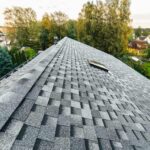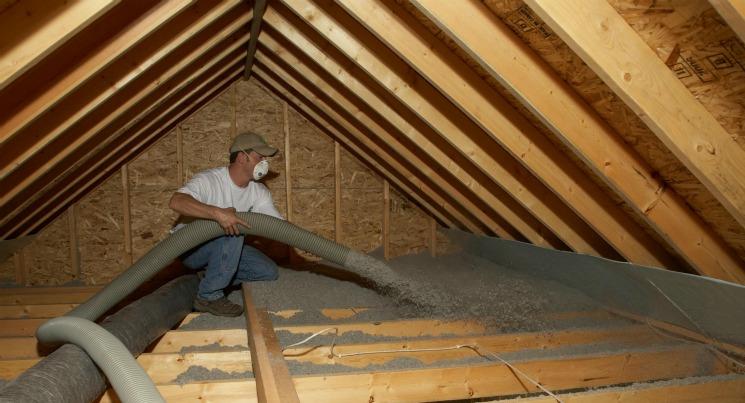
Improving the energy efficiency of your home can significantly reduce heating and cooling costs. One effective method is by focusing on the attic, which is often a major source of energy loss. Proper attic insulation and air sealing can prevent heat from escaping during the winter and keep your home cooler in the summer.
Before diving into the specifics, it’s worth noting the importance of keeping up with the latest advancements in home energy solutions. For instance, understanding solar roofing market trends can complement your efforts in creating a more energy-efficient home.
Understanding the Basics of Attic Insulation
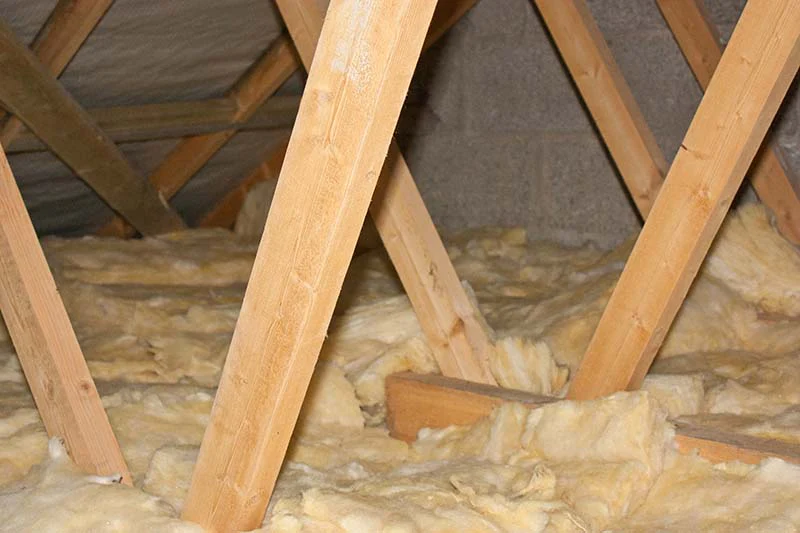
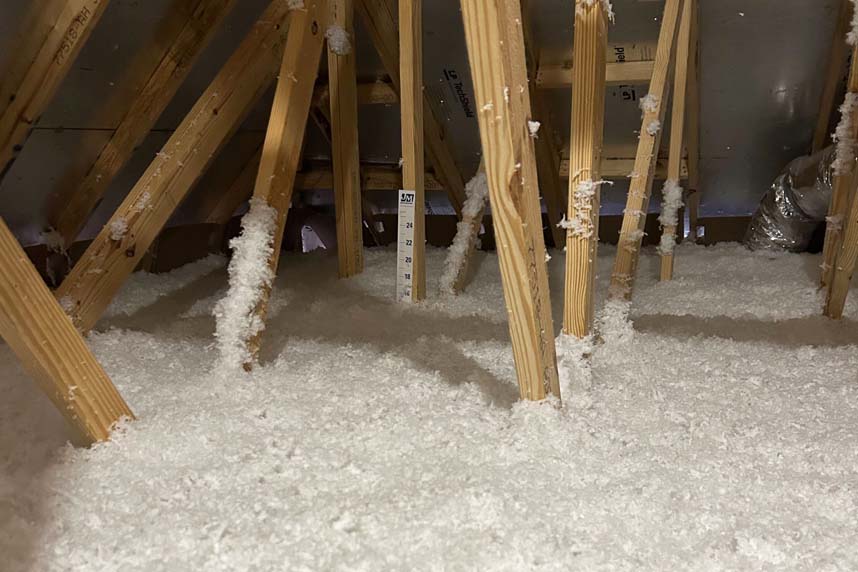
Insulating your attic is a crucial step in enhancing your home’s energy efficiency. The primary goal is to create a barrier that minimizes heat transfer between the attic and the living spaces below. This can be achieved using various insulation materials such as fiberglass, cellulose, or spray foam.
Effective Air Sealing Techniques
Air sealing is as important as insulation when it comes to preventing energy loss. Gaps, cracks, and openings in the attic can allow air to leak, undermining the effectiveness of your insulation. Common areas that require sealing include attic hatches, electrical penetrations, and ductwork.
Using caulk or spray foam to seal these areas can significantly reduce air leakage. Additionally, installing weatherstripping around the attic door or hatch can further prevent air from escaping.
Choosing the Right Insulation Material
When selecting insulation material, consider factors such as R-value, cost, and ease of installation. Fiberglass batts are a popular choice due to their affordability and ease of installation. However, for more comprehensive coverage, blown-in cellulose or spray foam might be more effective.
Maintaining Your Insulation and Seals
Regular maintenance is key to ensuring your attic remains energy efficient. Check for signs of wear or damage in your insulation and air seals. Address any issues promptly to maintain optimal performance. Additionally, consider periodic professional inspections to identify potential problems that may not be immediately visible.
Additional Resources for Energy Efficiency
For those interested in further enhancing their home’s energy efficiency, exploring latest solar roofing technology can offer additional benefits. Integrating solar solutions with effective attic insulation can create a more sustainable and cost-effective home environment.
FAQs on Attic Insulation and Air Sealing
What is the best insulation material for attics?
The best insulation material depends on your specific needs and budget. Fiberglass batts are cost-effective and easy to install, while spray foam offers superior coverage and air sealing capabilities.
How often should I check my attic insulation?
It’s advisable to inspect your attic insulation at least once a year. Look for signs of damage or wear, and address any issues promptly to maintain efficiency.
Can I install attic insulation myself?
Yes, installing insulation can be a DIY project, especially with materials like fiberglass batts. However, for more complex installations or if you’re unsure, hiring a professional is recommended.