When considering upgrades or replacements for your home’s roofing system, roof insulation fire resistance is a critical factor that should never be overlooked. The ability of insulation materials to withstand high temperatures and slow the spread of flames can make a significant difference in protecting your property and the people inside. Understanding the fire performance of different insulation types, how they are rated, and what regulations apply will help you make informed decisions for both safety and compliance.
In recent years, there has been a growing focus on the intersection of energy efficiency and fire safety in roofing. As new materials and technologies emerge, staying up to date on best practices is essential. For those interested in sustainable solutions, it’s also worth exploring how fire-resistant insulation integrates with solar roofing market trends and other modern roofing innovations.

Understanding Fire Ratings for Roof Insulation
The fire performance of insulation is measured using standardized tests that assess how materials react to heat and flame. These ratings help homeowners, builders, and inspectors determine which products are suitable for specific applications and environments. The main aspects evaluated include combustibility, flame spread, smoke development, and resistance to ignition.
In the United States, the most common fire rating systems for insulation are the ASTM E84 (Surface Burning Characteristics of Building Materials) and UL 723. These tests assign a flame spread index and a smoke developed index to each material. Lower numbers indicate better fire performance. For roofing, local building codes may require insulation to meet certain minimum standards, especially in areas prone to wildfires or where fire safety is a top concern.
Types of Insulation and Their Fire Performance
Not all insulation products offer the same level of fire protection. The composition, density, and additives used in manufacturing play a major role in how a material behaves under fire conditions. Below are some of the most common types of roof insulation and their typical fire resistance characteristics:
- Mineral Wool (Rock Wool or Slag Wool): Known for its excellent fire resistance, mineral wool can withstand temperatures over 1,800°F (982°C) without melting or emitting toxic fumes. It is non-combustible and often used in fire-rated assemblies.
- Fiberglass: This material is also non-combustible and does not contribute to flame spread. However, the binders used in some fiberglass products may burn at very high temperatures.
- Cellulose: Made from recycled paper, cellulose insulation is treated with fire-retardant chemicals. While it can resist ignition, it is not as inherently fireproof as mineral wool or fiberglass.
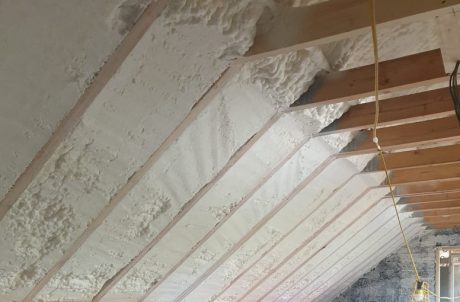
- Spray Foam: Polyurethane and other spray foams are typically combustible, but some formulations include fire retardants. These products may require a thermal barrier, such as drywall, to meet code requirements.
- Rigid Foam Boards: Materials like expanded polystyrene (EPS), extruded polystyrene (XPS), and polyisocyanurate vary in fire performance. Polyisocyanurate generally offers better resistance, but all foam boards must be properly protected in roof assemblies.

Factors That Influence Fire Resistance in Roof Insulation
Several variables affect how insulation performs during a fire. Understanding these can help you select the right product for your needs and ensure proper installation:
- Material Composition: As discussed, some materials are naturally non-combustible, while others rely on additives or barriers to improve fire performance.
- Thickness and Density: Thicker and denser insulation can slow the transfer of heat, but may also trap heat if not installed correctly.
- Installation Quality: Gaps, voids, or improper placement can create pathways for fire and smoke to travel, reducing the effectiveness of even the best-rated materials.
- Protective Layers: Many building codes require insulation to be covered by a thermal barrier, such as gypsum board, especially for combustible products.
- Roof Assembly Design: The combination of insulation, decking, underlayment, and roofing material all contribute to the overall fire performance of the system.
Building Codes and Compliance for Fire-Resistant Roof Insulation
Local and national building codes set minimum requirements for fire safety in roofing systems. These codes are updated regularly to reflect advances in materials and construction practices. For example, the International Building Code (IBC) and International Residential Code (IRC) specify fire-resistance ratings for roof assemblies, particularly in areas designated as wildfire zones.
Compliance is not just about choosing the right insulation—proper installation and documentation are also essential. Inspections may include verifying the type of insulation, its fire rating, and the presence of required barriers. Failing to meet these standards can result in costly delays, fines, or increased risk in the event of a fire.
Integrating Fire Safety with Modern Roofing Technologies
As roofing systems evolve, integrating fire-resistant insulation with other advanced features is becoming more common. For example, those interested in renewable energy may want to learn about latest solar roofing technology and how it can be combined with fire-safe insulation for a comprehensive solution.
Innovations in roofing materials and design are making it easier to achieve both high energy efficiency and robust fire protection. Some new products offer enhanced fire ratings while also improving thermal performance, moisture resistance, and durability. When planning a roofing project, consider how each component contributes to the overall safety and sustainability of your home.
Best Practices for Choosing and Installing Fire-Resistant Insulation
Selecting the right insulation for your roof involves more than just checking a fire rating label. Here are some practical steps to ensure optimal fire safety:
- Consult Local Codes: Always start by reviewing the fire safety requirements for your area. Wildfire-prone regions may have stricter standards.
- Choose Non-Combustible Materials When Possible: Mineral wool and fiberglass are generally the safest choices for fire resistance.
- Verify Product Certifications: Look for products tested to ASTM E84, UL 723, or similar standards, and confirm their ratings with the manufacturer.
- Ensure Proper Installation: Work with qualified professionals to avoid gaps, compression, or improper placement that can undermine fire performance.
- Use Required Barriers: If using combustible insulation, make sure it is covered with an approved thermal barrier as specified by code.
- Consider System Compatibility: If integrating with solar panels or other technologies, verify that all components are compatible and maintain fire safety.
For those planning to incorporate renewable energy, resources like the solar roofing site assessment guide can help ensure that fire safety remains a top priority throughout the design and installation process.
FAQ: Roof Insulation and Fire Safety
Which insulation material offers the highest fire resistance for roofs?
Mineral wool is widely recognized for its non-combustible properties and high temperature tolerance, making it one of the best choices for fire-resistant roof insulation. Fiberglass is another strong option, though it may not perform as well at extremely high temperatures as mineral wool.
Are spray foam insulations safe in terms of fire performance?
Spray foam products can be combustible, but many are formulated with fire retardants. Building codes often require these insulations to be covered by a thermal barrier, such as drywall, to enhance fire safety. Always check the specific product’s fire rating and follow local code requirements.
How do I know if my roof insulation meets fire safety codes?
The best way to ensure compliance is to verify that the insulation is certified to recognized fire standards (such as ASTM E84 or UL 723) and that it is installed according to manufacturer instructions and local building codes. Inspections by qualified professionals can provide additional assurance.
Can fire-resistant insulation improve home insurance rates?
Some insurance providers may offer discounts for homes with enhanced fire safety features, including non-combustible roof insulation. Check with your insurer to see if these upgrades qualify for reduced premiums.
Conclusion
Prioritizing roof insulation fire resistance is a smart move for any property owner. By understanding the fire ratings of different materials, following best practices for installation, and staying informed about local codes, you can enhance the safety and durability of your roofing system. As roofing technology continues to advance, integrating fire-safe insulation with other modern features will only become more important for both safety and energy efficiency.